

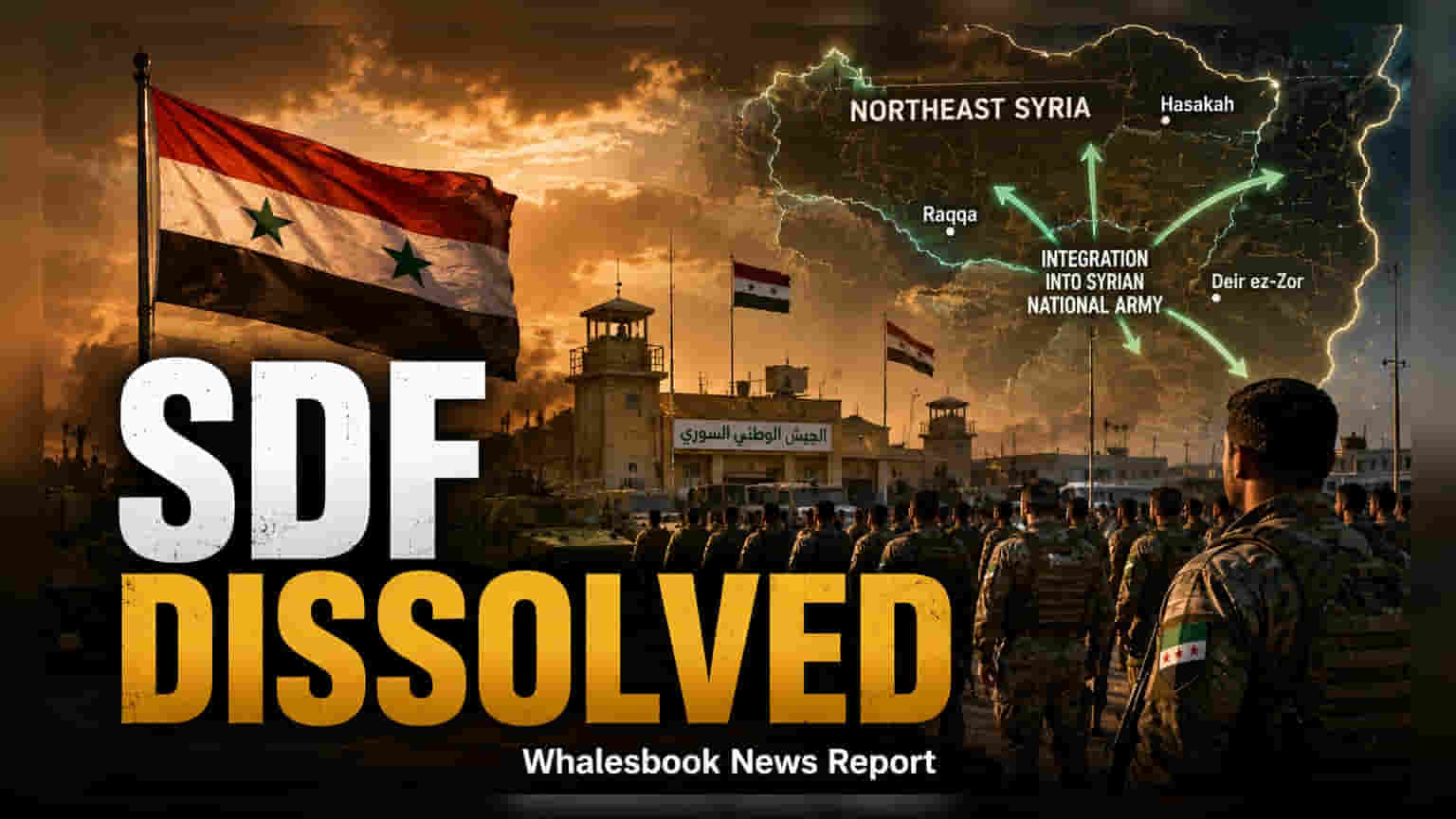
On August 25, 2026, the Syrian Democratic Forces officially dissolved as an independent entity, completing a merger into the Syrian National Army. This integration marks a major step in the country's transition following the 2024 political shift. For regional watchers, the move signifies an effort to centralize state control and address long-standing tensions in the nation's northeast.
The Syrian Democratic Forces (SDF) officially ended its decade-long tenure as an independent military organization on August 25, 2026. Commander Mazloum Abdi announced the dissolution from Damascus, confirming that the group's personnel and infrastructure have now fully integrated into the Syrian National Army. This transition marks the conclusion of a complex, phased consolidation process that began following the signing of an agreement in January 2026.
This development comes as the culmination of significant political changes in the country following the collapse of the Assad regime in December 2024. Under the administration of interim President Ahmad al-Sharaa, the government has moved to reclaim centralized authority over the nation's territory, specifically the northeast, where the SDF had functioned as a semi-autonomous force for over a decade.
To ensure the stability of this integration, the government has introduced several constitutional and social concessions. These include elevating the Kurdish language to an official status, restoring citizenship to residents in the Hassakeh province, and formally recognizing the Nowruz festival as a national holiday. These measures are designed to address historic grievances and integrate the Kurdish population into the national fabric.
From a broader regional perspective, this move is being closely observed for its impact on geopolitical stability. The shift from a decentralized, conflict-heavy structure to a centralized state model is intended to reduce long-term territorial friction and enhance national sovereignty. For global observers and those tracking Middle Eastern developments, the consolidation is a critical indicator of the region's trajectory as it emerges from years of civil conflict.
It is important for readers to note that this is a sovereign geopolitical event involving state security and administrative structures. There are no corporate entities, stock market listings, financial instruments, or tradeable securities associated with the Syrian Democratic Forces or the Syrian National Army. Consequently, there is no direct impact on equity markets or specific company debt, though shifts in regional stability are often monitored by observers tracking energy security and supply chain continuity in the Middle East.