

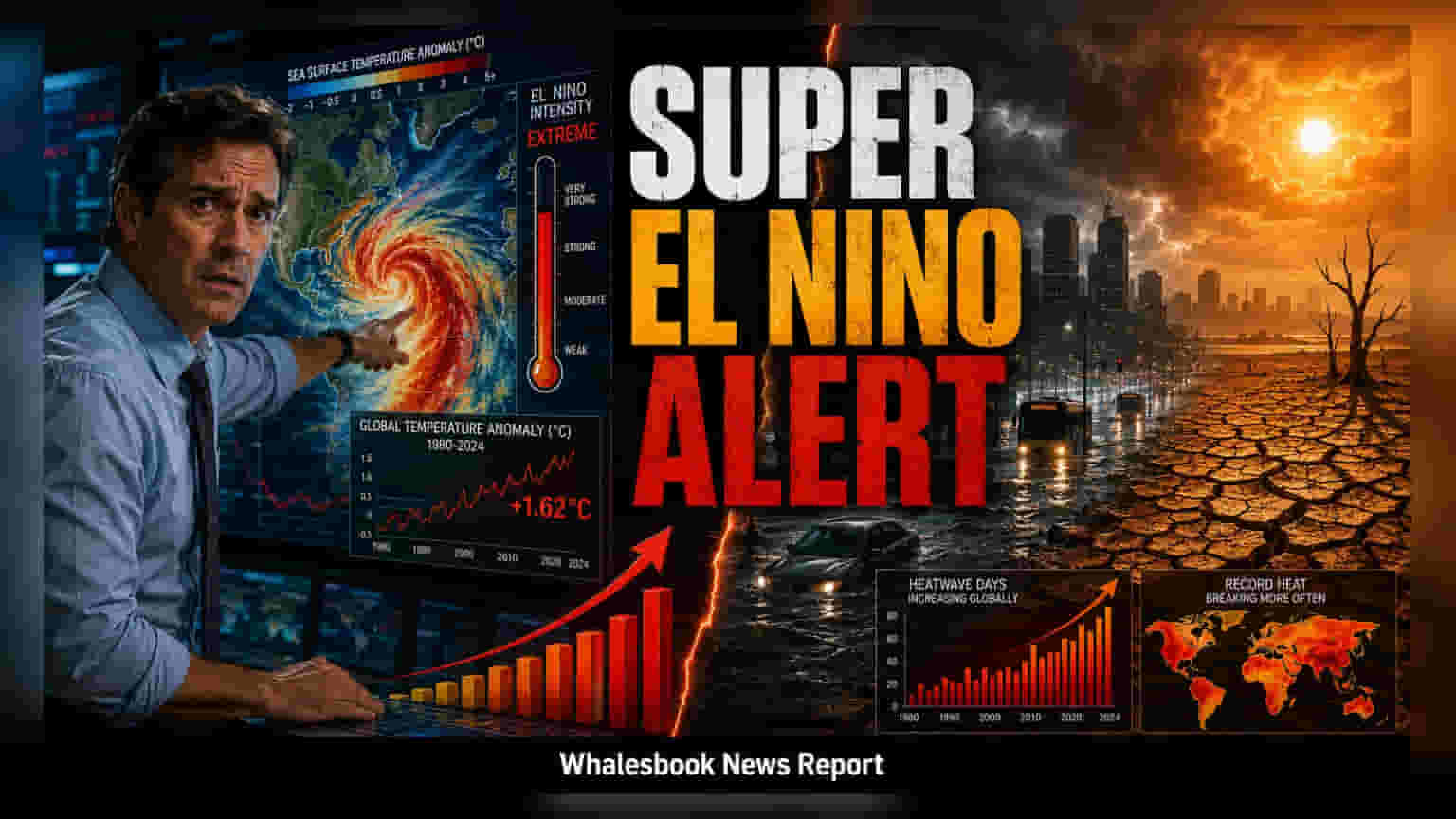
A strengthening Pacific climate pattern is raising global weather alarms, with experts warning of severe heat and erratic rainfall ahead. For Indian investors, the primary concern is the potential for 'climateflation'—where weather-related disruptions to agriculture and supply chains could drive up food prices and complicate inflation management for central banks.
Meteorologists and international organizations, including the World Meteorological Organization (WMO), have issued warnings regarding a rapidly strengthening El Niño event in the tropical Pacific. As this climate pattern intensifies through October 2026, experts note that sea surface temperatures in key monitoring regions have surpassed levels seen during the 1997-98 event, which was historically one of the most severe on record.
For the Indian stock market and the broader economy, this development introduces a layer of uncertainty. When extreme weather disrupts farming, it often leads to supply shortages and price spikes in essential commodities. Financial analysts have begun highlighting the risk of 'climateflation,' a scenario where extreme weather-driven supply constraints push up the cost of food and energy. Since food and fuel have a high weightage in India's inflation metrics, these price shocks can influence broader economic trends and impact how the Reserve Bank of India approaches interest rates.
Sectoral Impact and Operational Risks
Investors are typically monitoring three main areas when such climate patterns emerge. First is the agricultural sector, where erratic monsoon patterns can affect crop yields. Companies in the fertilizer, seeds, and agrochemical space often see their business performance tied to the health of the harvest. If yields are impacted, rural demand—a significant contributor to consumer goods sales—can also face pressure, potentially hurting earnings for FMCG companies that rely on volume growth in semi-urban and rural markets.
Second, extreme heatwaves linked to El Niño can drive up power demand as cooling requirements surge. This places significant stress on the energy grid and can increase operating costs for power-dependent industries. Third, large-scale weather events can lead to logistical bottlenecks. Heavy rains, floods, or storms often disrupt shipping and road transportation, creating supply chain delays that affect manufacturers and exporters.
While the current warnings highlight a significant risk, the final economic impact will depend on the specific severity of weather events in different geographic regions. Historical data shows that while some areas suffer from drought, others may experience excessive rainfall, creating different challenges for various industries.
For investors, the next few months will be crucial. The most important monitorables include official rainfall data, updates from the India Meteorological Department regarding monsoon progress, and subsequent monthly food inflation prints. Additionally, management commentary from listed companies regarding raw material procurement and supply chain adjustments will provide insight into how firms are navigating the potential for weather-related volatility.