

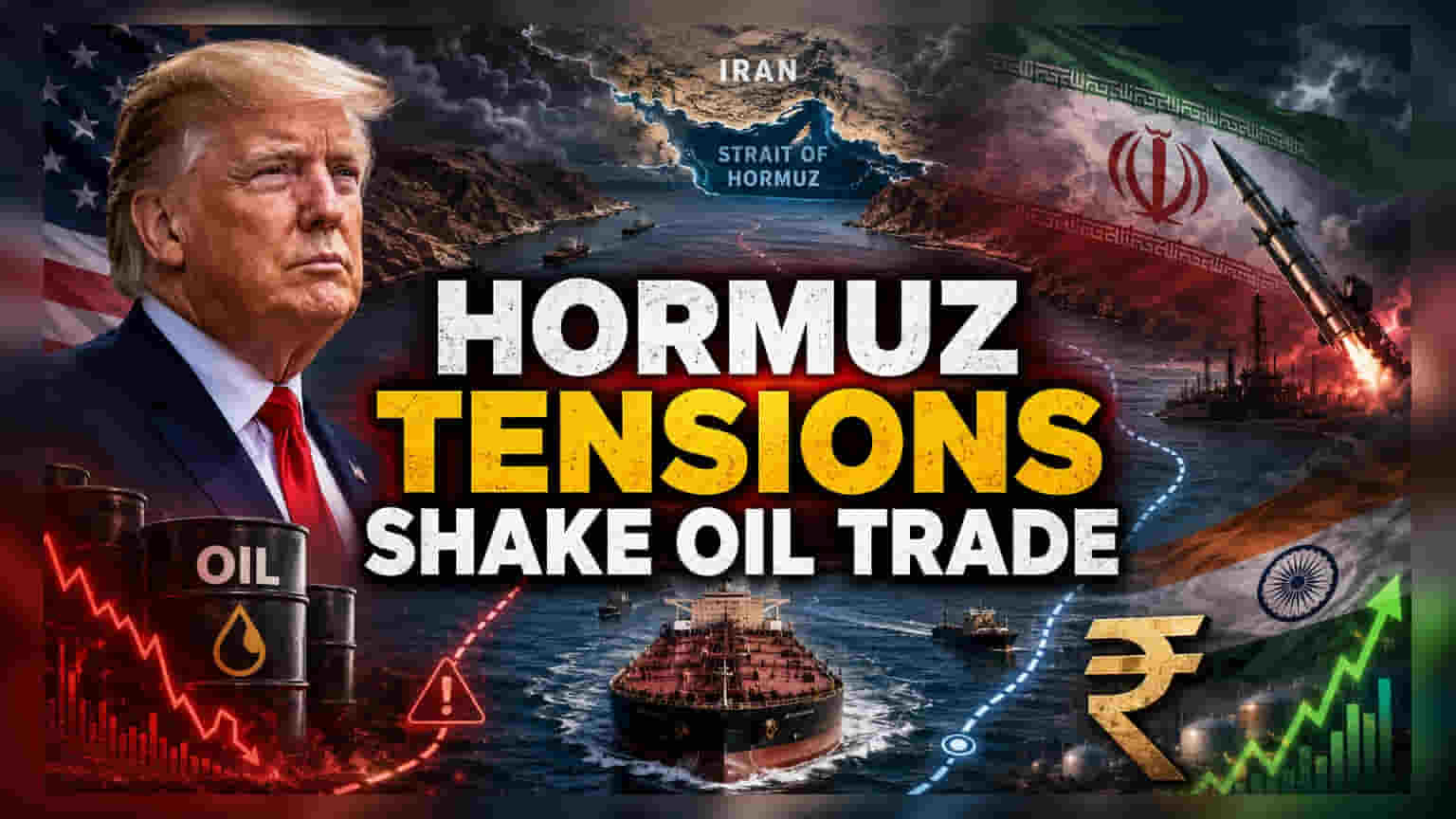
Tensions over the Strait of Hormuz have risen as negotiations regarding the 60-day ceasefire continue. While U.S. officials maintain that transit remains unimpeded, the region remains a critical chokepoint for global oil and fertilizer supplies. Investors are monitoring the situation as any disruption could impact crude oil prices, logistics costs, and, consequently, inflation metrics within the Indian economy.
What Happened
The status of the Strait of Hormuz, a critical global shipping route, has become a focus of geopolitical concern. Former U.S. President Donald Trump has publicly rejected the idea of Iran imposing tolls on vessels passing through the waterway, even after the current 60-day ceasefire agreement ends. Instead, he suggested the U.S. might levy its own fees to cover regional security costs. These comments follow reports of a potential closure of the strait by Iran, which U.S. Central Command (CENTCOM) has officially denied, stating that maritime traffic continues to move without disruption.
Why The Strait Matters For Global Trade
The Strait of Hormuz is one of the world's most important energy chokepoints. Approximately 20% of the world's total oil and natural gas consumption passes through this narrow passage. Beyond energy, it is also a vital route for the global fertilizer trade, accounting for about 30% of total volume. Because of this, any threat to the stability of the waterway—whether through physical closure or increased geopolitical tension—tends to impact global commodity prices almost immediately.
Impact On Indian Energy And Agriculture
For Indian investors and the broader economy, the Strait of Hormuz is significant due to India's reliance on energy imports. A large portion of India’s crude oil comes from Middle Eastern suppliers that rely on this route. If geopolitical instability leads to a rise in crude oil prices, it often puts pressure on India's import bill, which can affect the trade deficit and, in turn, influence the rupee. Additionally, because the strait handles a significant portion of the global fertilizer trade, any disruption could lead to volatility in input costs for the Indian agricultural sector, which relies on imported fertilizers.
The Negotiating Landscape
High-level discussions are set to resume in Switzerland, mediated by Pakistan. The delegations involve prominent figures, including Iranian officials and representatives of the U.S. government. However, the success of these talks remains uncertain. The ongoing conflict in Lebanon is being cited by Iran as a factor complicating the ceasefire agreement. Investors are paying close attention to these talks, as a breakdown could lead to increased volatility in energy markets.
What Investors Should Track Next
Given the sensitivity of this region, the primary monitorables for investors include updates on the Swiss negotiations and statements from global energy bodies. Any sustained rise in crude oil prices (such as Brent Crude) may be monitored as a leading indicator of energy inflation. Additionally, participants in sectors like logistics, shipping, and agriculture may look for signs of supply chain disruptions or insurance premium hikes that often accompany heightened tensions in maritime chokepoints.