

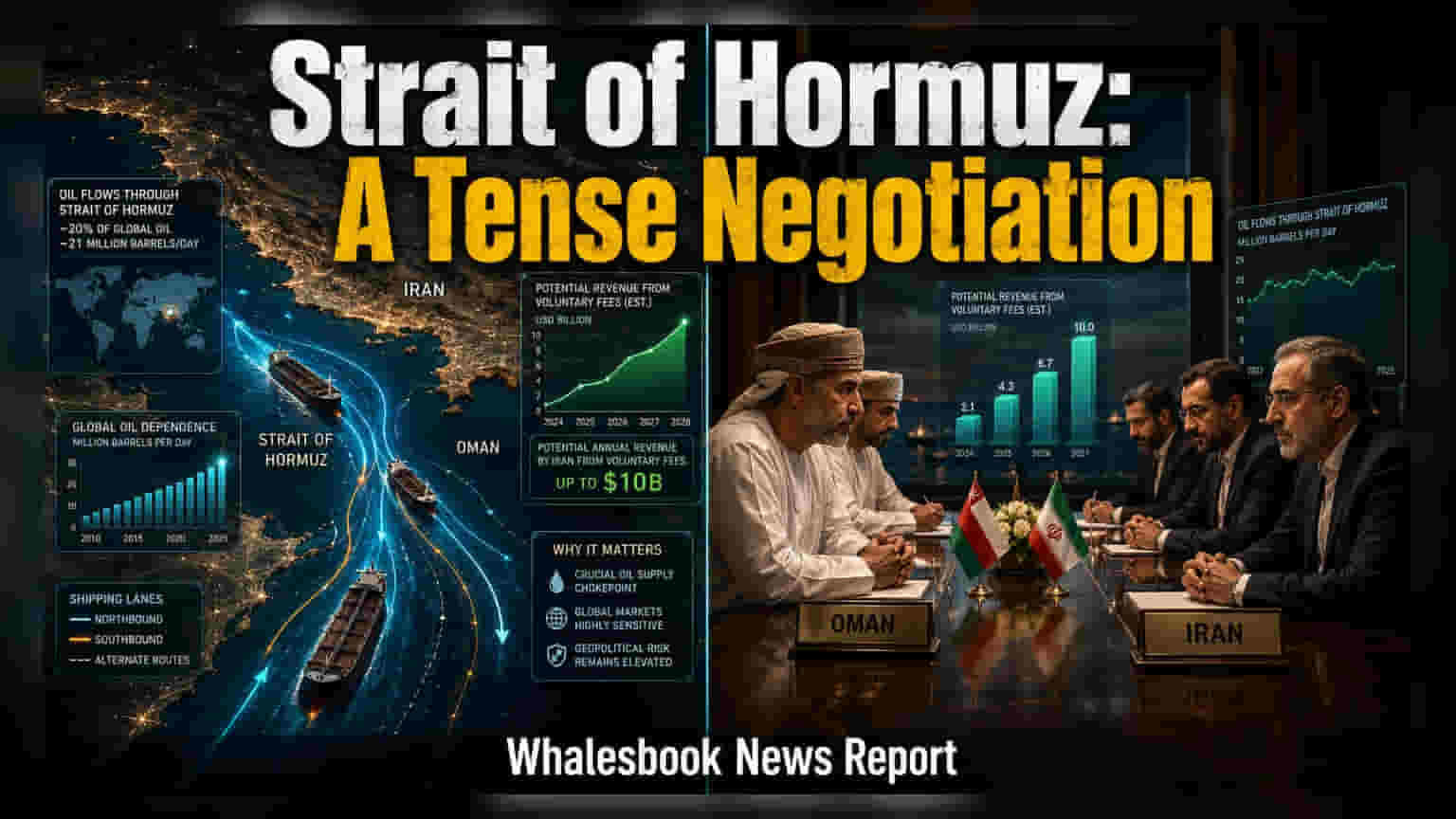
Oman has proposed a voluntary fee system to manage transit through the Strait of Hormuz to stabilize oil shipments amid regional conflict. While designed to reduce tensions, the U.S. rejects any toll collection, insisting the waterway must remain international and free. This geopolitical friction remains a primary factor influencing global crude oil prices.
Oman has introduced a proposal to Iran, supported by various Gulf nations, to manage maritime traffic through the Strait of Hormuz. The plan suggests the introduction of voluntary fees for ships using the passage. The primary objective is to de-escalate ongoing trade disruptions that have significantly affected global energy flows due to the conflict involving the U.S., Israel, and Iran.
U.S. Opposition to Transit Fees
The United States government has formally rejected the introduction of any tolls or mandatory charges for vessels navigating the strait. Officials have reiterated that the waterway is classified as international territory and must remain free from any form of control or restriction. Despite the ongoing diplomatic discussions, the U.S. position remains firm that any deal involving financial charges for transit is unacceptable. The situation remains volatile, with negotiations between the parties continuing alongside the threat of renewed military escalation.
Impact on Global Energy Markets
The Strait of Hormuz is a critical passage for global energy, with approximately 20% of the world's oil and liquefied natural gas historically transiting through this narrow channel. Trade through this region has faced severe challenges since the onset of the current conflict. A previous attempt to stabilize the area in March met with limited success before breaking down in July, following reports of Iranian military action against vessels using passages not sanctioned by Tehran.
Regional Instability and Supply Risks
The maritime tension is compounded by broader regional instability. On July 20, the Iran-aligned Houthi movement in Yemen announced a blockade of Saudi Red Sea ports and claimed responsibility for missile strikes on a Saudi oil tanker. These events, combined with exchanges of fire between U.S. forces and Iran-backed militias, have heightened concerns about energy infrastructure security. In response to the fluctuating geopolitical environment, Brent crude futures recently saw a sharp reaction, falling more than 5% to trade below $84 per barrel following the suspension of certain military operations.
Investors and market participants should continue to monitor the diplomatic talks between Oman, Iran, and the United States. Future developments regarding the status of the waterway, the success or failure of the proposed fee structure, and any further escalations in the region will remain key factors influencing global oil pricing and energy-related stock performance.