 Whalesbook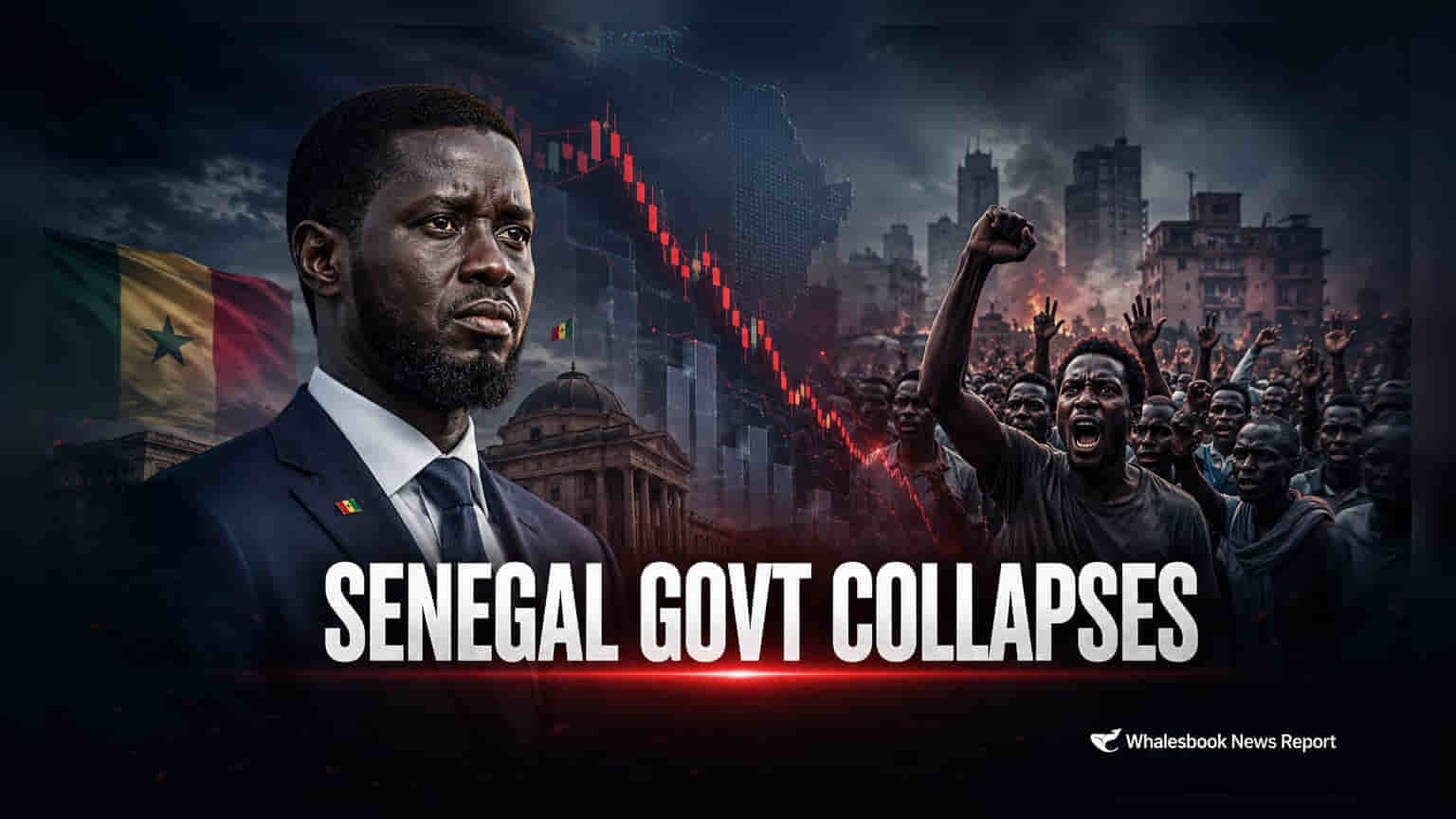


Senegal President Ousts PM Amid IMF Loan Crisis
The recent dismissal of Prime Minister Ousmane Sonko and the dissolution of Senegal's government by President Bassirou Diomaye Faye represent a significant escalation of political uncertainty. This upheaval directly intersects with the nation's urgent need to finalize a crucial $1.8 billion lending program with the International Monetary Fund (IMF), a deal vital for stabilizing Senegal's mounting debt.
Political Instability Amidst Debt Negotiations
The abrupt sacking of Sonko, a key figure in Faye's election victory, signals a deepening political rift between the president and his former ally. This internal friction occurs at a critical juncture for Senegal, which is seeking to secure IMF support following the discovery of undisclosed debt that pushed the country's debt-to-GDP ratio to 132% by the close of 2024. The IMF had previously paused its lending program due to these hidden liabilities. The outgoing cabinet has been tasked with managing day-to-day affairs, a temporary measure that introduces further unpredictability into the economic outlook.
Economic Reforms Threatened by Political Friction
Senegal's fragile economic standing is now compounded by this leadership change. Earlier on the day of the government's dismissal, Finance Minister Cheikh Diba had conveyed optimism about resuming IMF discussions in early June and securing agreements by the end of the month. President Faye's decision now casts doubt on these timelines, potentially delaying essential financial aid and worsening the debt crisis. The ruling Pastef party's majority in the National Assembly could become a point of contention, as internal political disputes may hinder the legislative advancements necessary to meet IMF conditions and secure the loan.
Governance and Debt Concerns Deepen
This drastic political maneuver raises significant governance concerns and further complicates Senegal's already precarious debt situation. The administration's ability to implement stringent economic reforms, a prerequisite for IMF approval, is now under scrutiny due to the internal political discord. Unlike nations with stable political leadership and clear fiscal policies, Senegal faces the dual challenge of managing high debt levels and navigating a fractured political environment. The reliance on external funding from the IMF, while necessary, also exposes the country to external conditionalities that require robust domestic political stability for successful implementation. The risk of protracted negotiations or even a stalled IMF program, given the political volatility, presents a substantial downside for Senegal's economic future.