

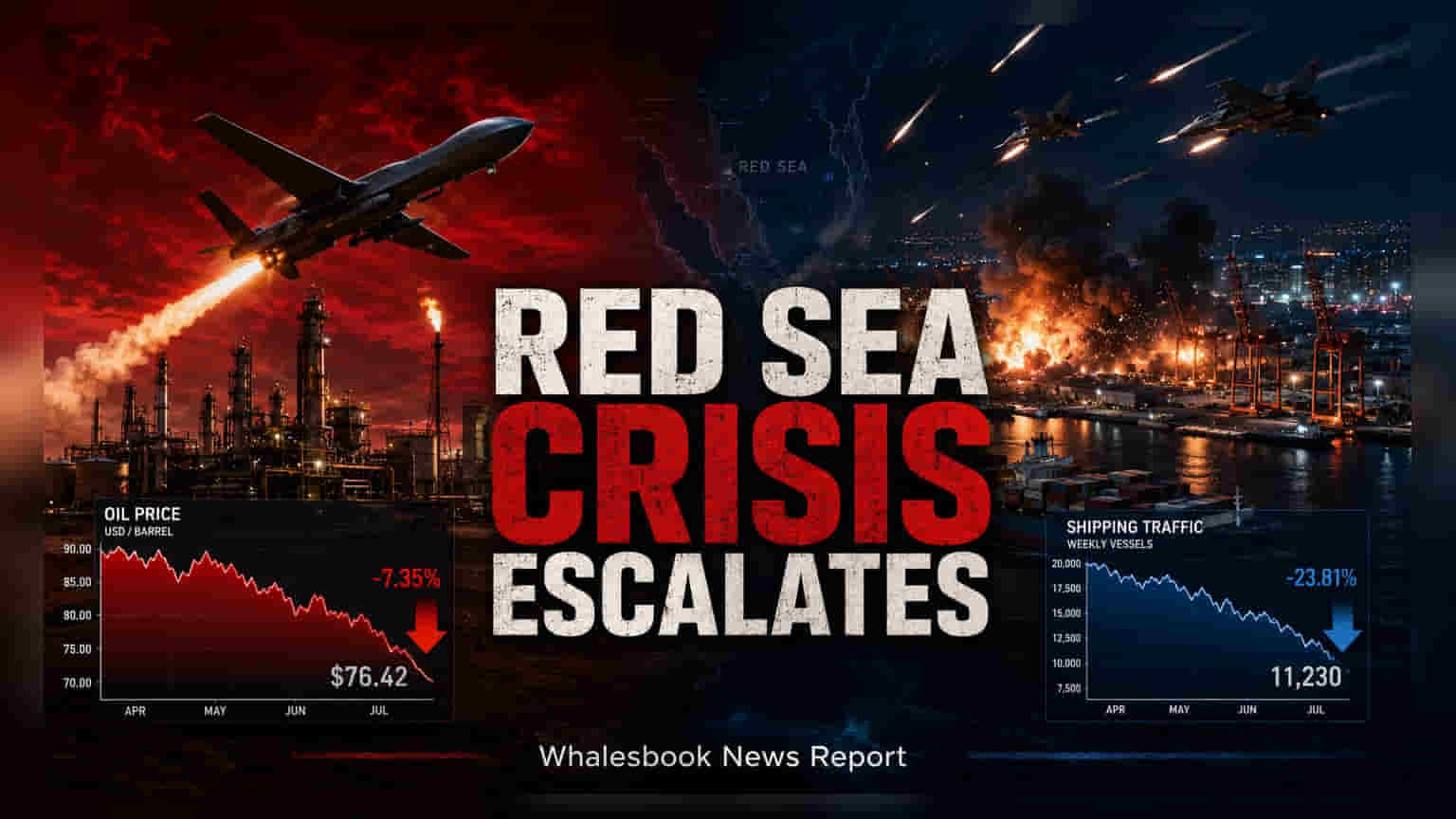
Houthi rebels have launched drone and missile strikes on Saudi Aramco oil facilities in Yanbu and Jizan. This escalation in the Red Sea region creates uncertainty for global energy supplies and maritime trade, as the Bab el-Mandeb Strait remains a critical route for global oil shipments.
Detailed Coverage
The security environment in the Middle East has faced a new challenge following reported drone and missile attacks on Saudi Aramco energy facilities in the cities of Yanbu and Jizan. These strikes, claimed by Yemen’s Houthi rebels, occurred early Saturday morning and follow recent military actions in the Red Sea. The attacks specifically targeted infrastructure belonging to the world's largest oil producer, raising immediate questions regarding energy supply stability and the safety of maritime corridors.
Impact on Regional Trade Routes
At the heart of the concern for investors and global markets is the proximity of these hostilities to the Bab el-Mandeb Strait. This narrow maritime passage, located between the Arabian Peninsula and the Horn of Africa, is one of the world's most important energy chokepoints. Approximately 12% of global trade and a significant portion of the world's daily seaborne oil and liquefied natural gas shipments pass through this strait to reach international markets.
Any sustained threat to the security of the Red Sea shipping lanes can impact global energy prices by forcing shipping companies to consider longer, more expensive routes to avoid the conflict zone. Increased insurance premiums for vessels operating in the region and potential delays in oil transit are standard market reactions to such regional instability.
Energy Market and Investor Focus
The situation highlights the vulnerability of critical energy infrastructure to drone and missile technology. While Saudi Aramco operates a diversified network of facilities designed to manage disruptions, market participants often track such events for potential impacts on short-term crude oil price volatility. If the conflict leads to a perceived or actual risk of reduced supply, it typically puts upward pressure on oil prices, which can have broader implications for global inflation and energy-dependent sectors.
Investors are currently monitoring whether this event will lead to a broader regional escalation or if the situation will stabilize through international mediation. Iran's call for diplomacy alongside the military actions adds a layer of complexity to the geopolitical landscape. The upcoming high-level international meetings in Washington are expected to be a focal point for understanding the future direction of the regional ceasefire and the broader security architecture. The most important monitorables for the coming days include updates on the operational status of the impacted facilities, any official production impact assessments from Saudi Aramco, and the overall security situation regarding vessel transit in the Red Sea.