

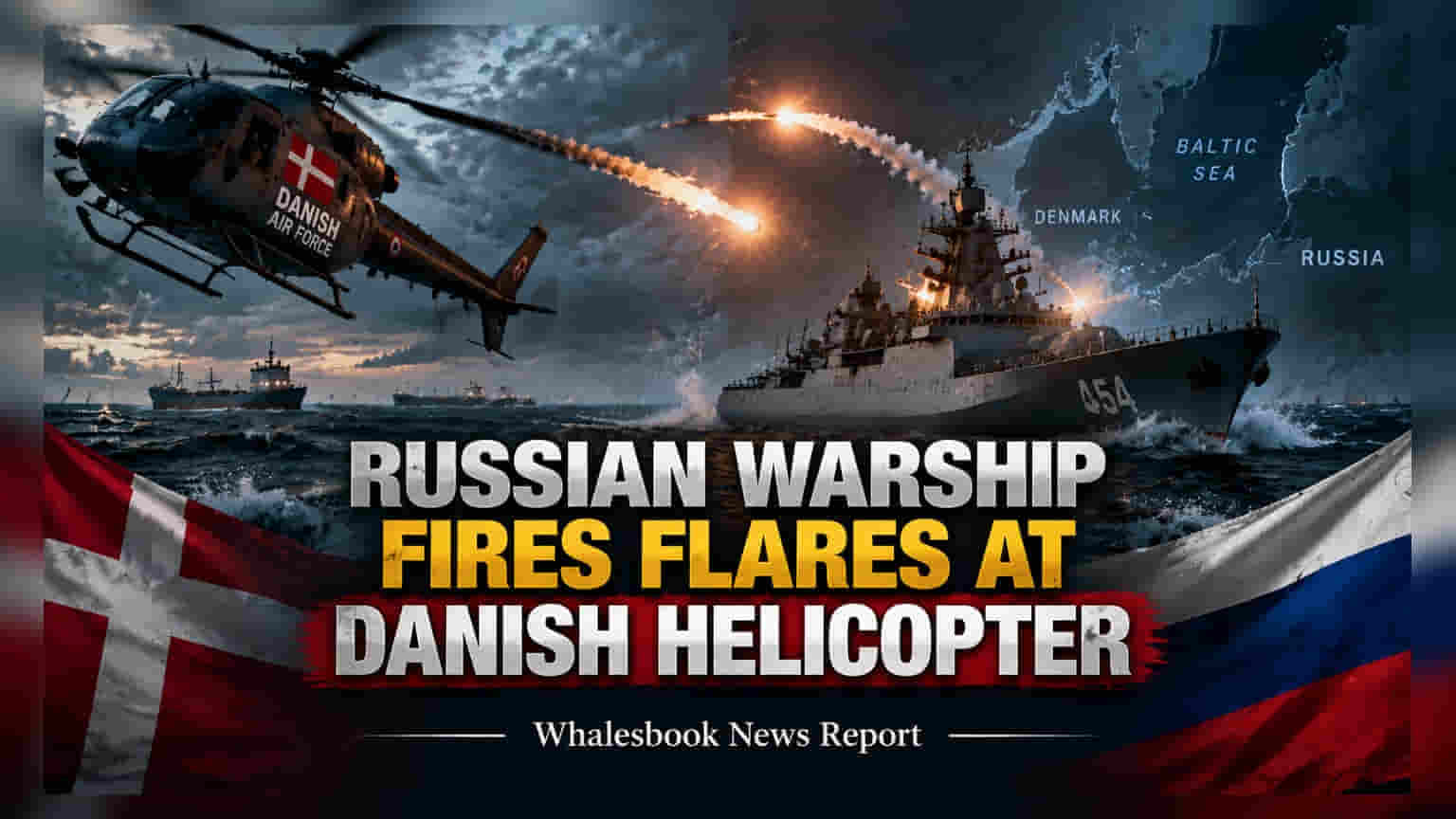
A Russian frigate fired two flares at a Danish military helicopter in international waters on September 14, 2026. This incident has raised diplomatic tensions in the Baltic Sea, a critical trade and energy transit artery, as officials categorize the maneuver as part of an ongoing pattern of aggressive military activity.
On September 14, 2026, a routine surveillance mission by a Danish Fennec helicopter in international waters off the coast of Gedser, Denmark, resulted in a high-tension encounter. A Russian frigate operating in the area fired two flares, one of which passed in close proximity to the aircraft. No injuries or physical damage were reported, and the helicopter safely completed its flight, which was intended for photographic monitoring of vessels in the region.
The incident has sparked immediate diplomatic fallout, with the Danish Foreign Ministry summoning the Russian ambassador to deliver a formal protest. Danish authorities have described the maneuver as reckless and unprofessional, characterizing it as a continuation of aggressive hybrid tactics meant to test security boundaries in the region. In response, Russia’s ambassador to Denmark, Vladimir Barbin, denied the claims, alleging that the Danish helicopter had engaged in provocative, dangerous maneuvers near Russian ships.
Strategic Importance of the Baltic Corridor
For global observers and market participants, the significance of this event lies in the strategic importance of the Baltic Sea. This maritime region serves as a vital artery for international trade and is one of the busiest shipping corridors in the world. It acts as a primary gateway for vessels entering and exiting the region, including tankers responsible for significant volumes of global crude oil and energy transit.
Any increase in military activity or perceived instability in these waters can influence shipping operations. While the incident remains a diplomatic and security matter, analysts monitor such escalations for their potential to disrupt maritime logistics or lead to unintended miscalculations. The Baltic Sea has seen increased military presence since 2022, and incidents involving naval vessels and aircraft near critical infrastructure or commercial shipping lanes are tracked closely by nations dependent on these trade routes.
The long-term risk for the region remains the potential for further hybrid warfare tactics, which can complicate the operational environment for both commercial and naval interests. Investors and global stakeholders typically observe these developments for any impact on insurance premiums for shipping, energy security protocols, or changes in regional military posture.
The next step in this situation will involve diplomatic discussions to address the conflicting accounts of the event. Market watchers will monitor official statements regarding the security of commercial shipping lanes and any adjustments to the maritime navigation rules in the Baltic area to ensure the safety of transit through this essential global corridor.