

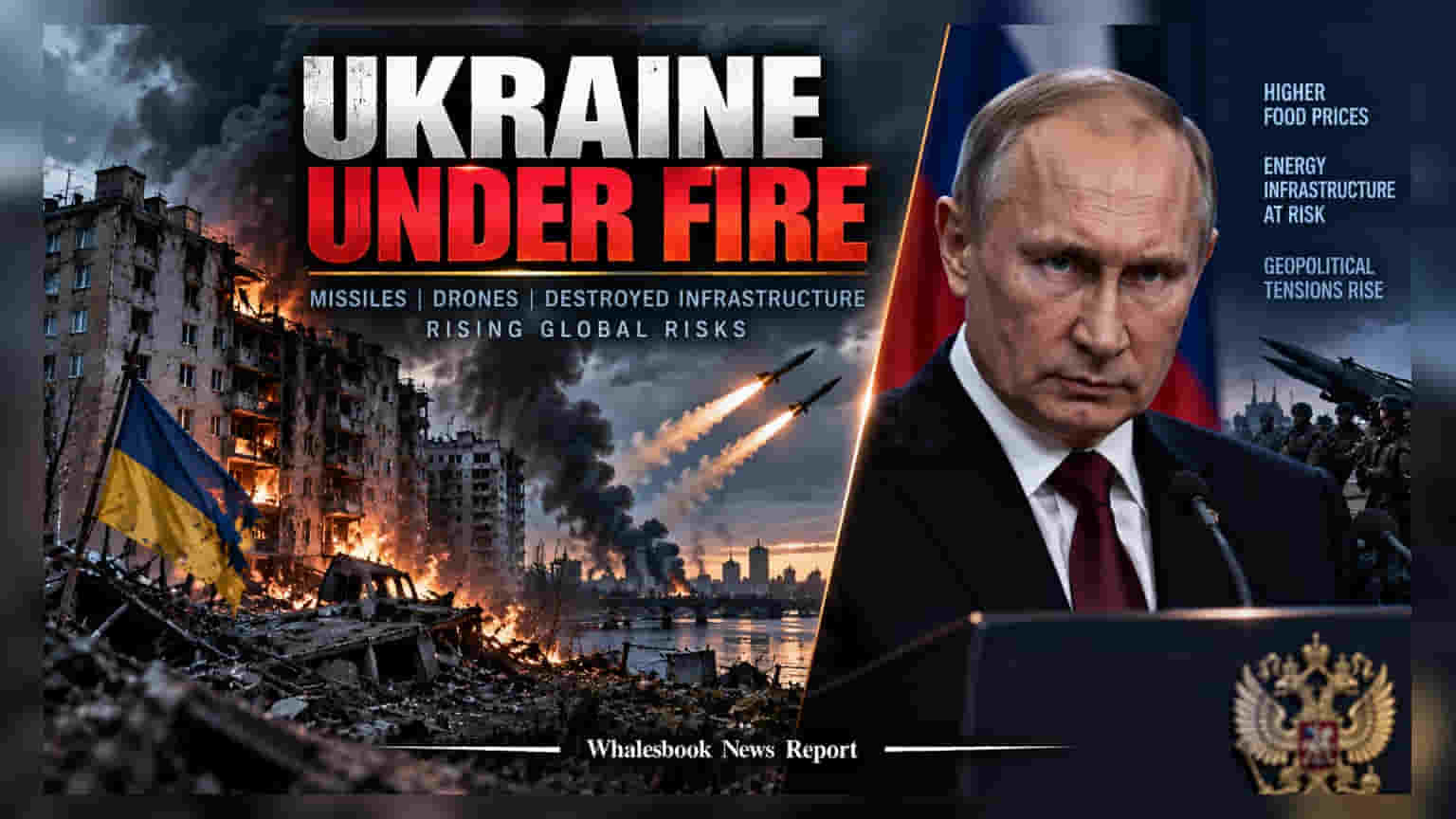
Russian missile and drone strikes on September 12, 2026, damaged energy infrastructure and the Zaporizhstal steel plant, resulting in civilian casualties. The attack, coupled with rising threats of geopolitical escalation, has triggered concerns over potential food price inflation and supply chain volatility as the conflict impacts critical industrial assets.
On September 12, 2026, Russia launched a significant barrage of ballistic missiles and jet-powered drones across multiple Ukrainian regions, including Odesa, Zaporizhzhia, and Kryvyi Rih. The military campaign focused on critical energy infrastructure and industrial facilities, causing at least five civilian deaths and dozens of injuries.
One of the most significant industrial impacts was the attack on the Zaporizhstal steel plant in Zaporizhzhia. The facility, which has been a frequent target of military strikes in recent months, reportedly sustained critical damage from four ballistic missiles. The repeated targeting of this plant raises concerns about the stability of industrial operations and the broader impact on manufacturing capacity in the region.
Economic and Supply Chain Implications
The strikes have broader implications for regional economic stability. Analysts are monitoring the impact on food supply chains, as attacks on warehouse infrastructure and storage facilities have led to projections of food price inflation. Estimates suggest that price increases could range between 2.5% and 15% for essential goods, driven by the destruction of storage capacity and the disruption of logistical routes.
Beyond agricultural impacts, the sustained targeting of power grids across Ukraine creates significant uncertainty for the industrial sector as the winter season approaches. The pressure on energy infrastructure may force operational cutbacks for businesses relying on consistent power, potentially impacting output and increasing costs. Investors are keeping a close watch on these supply chain risks and the potential for prolonged industrial disruption.
Geopolitical Escalation Risks
Simultaneously, the geopolitical landscape has become more tense. Russian President Vladimir Putin issued a stern warning, stating that any military intervention by European nations in the conflict would be viewed as a direct act of war. This rhetoric has added a layer of uncertainty to international relations, complicating diplomatic efforts and increasing the risk of a wider confrontation.
Market observers are tracking how these escalating threats and the ongoing targeting of infrastructure might influence international market sentiment. For now, the combination of industrial asset damage, potential food price hikes, and heightened geopolitical risk remains a primary focus for those monitoring the economic stability of the region. The key monitorable will be the state of energy infrastructure resilience and any further impact on logistics and agricultural storage in the coming weeks.