

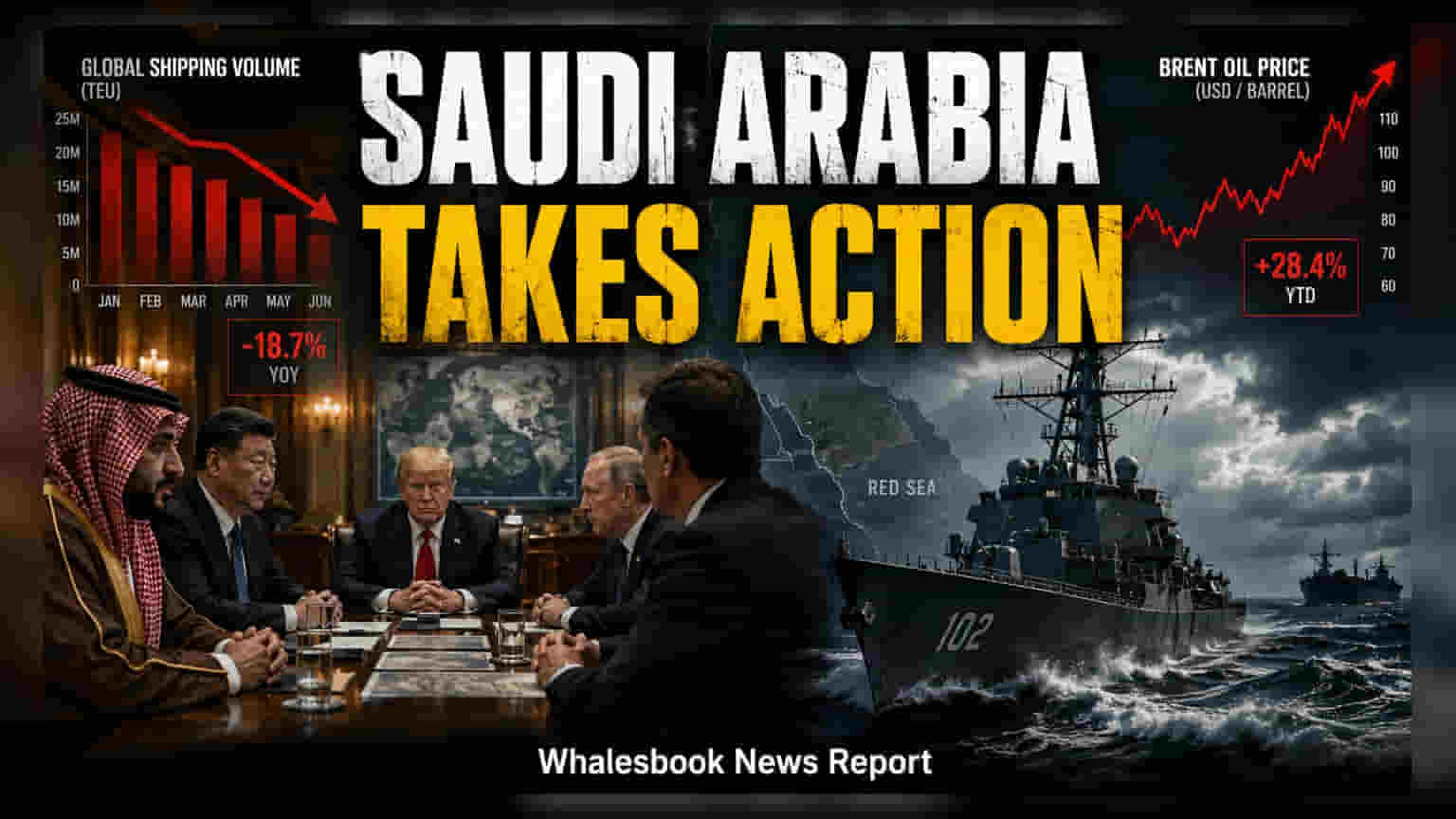
Saudi Arabia is organizing an international coalition to secure Red Sea shipping lanes following repeated attacks by Houthi rebels. The move aims to protect global trade routes, though ongoing regional instability remains a critical factor for energy markets and supply chains.
Saudi Arabia has initiated efforts to build an international maritime coalition tasked with protecting commercial shipping traffic in the Red Sea. The move follows a period of heightened security threats, including direct attacks on vessels traversing this critical global trade corridor. Discussions are reportedly underway with multiple nations to establish the formal structure and operational scope of this security initiative.
Impact on Global Trade and Energy
The Red Sea remains a vital artery for international trade, facilitating the transit of energy supplies and consumer goods between Europe, Asia, and the Middle East. Recent security disruptions in the region have caused concerns regarding supply chain reliability. For investors, the situation is notable due to the potential for shipping delays and increased insurance premiums for cargo vessels, which can impact operating costs for global logistics companies and energy importers. As these incidents intensify, fluctuations in global oil prices often reflect the market's reaction to potential supply route bottlenecks.
Geopolitical Context and Regional Stability
The current security challenges are linked to long-standing regional tensions. On July 20, 2026, Yemen-based Houthi rebels declared a naval blockade against Saudi Arabia, citing the ongoing conflict in Yemen. Riyadh has officially denied allegations of maintaining any such siege. The situation has since escalated, with Saudi Arabia conducting targeted air strikes against military facilities near Hodeidah port, which the kingdom identified as launch sites for attacks against international shipping.
What Investors Should Monitor
The stability of the Red Sea route is a key variable for international trade and commodity pricing. Investors tracking companies with significant exposure to maritime logistics, energy imports, or manufacturing sectors dependent on global supply chains may monitor the effectiveness of this coalition. The primary points of interest moving forward include the participation level of international partners, the ability of this coalition to deter future attacks, and the resulting impact on tanker insurance rates and global energy market volatility. Further updates regarding the coalition's operational status and any changes to shipping routes will be the primary triggers for market sentiment regarding maritime security in the region.