

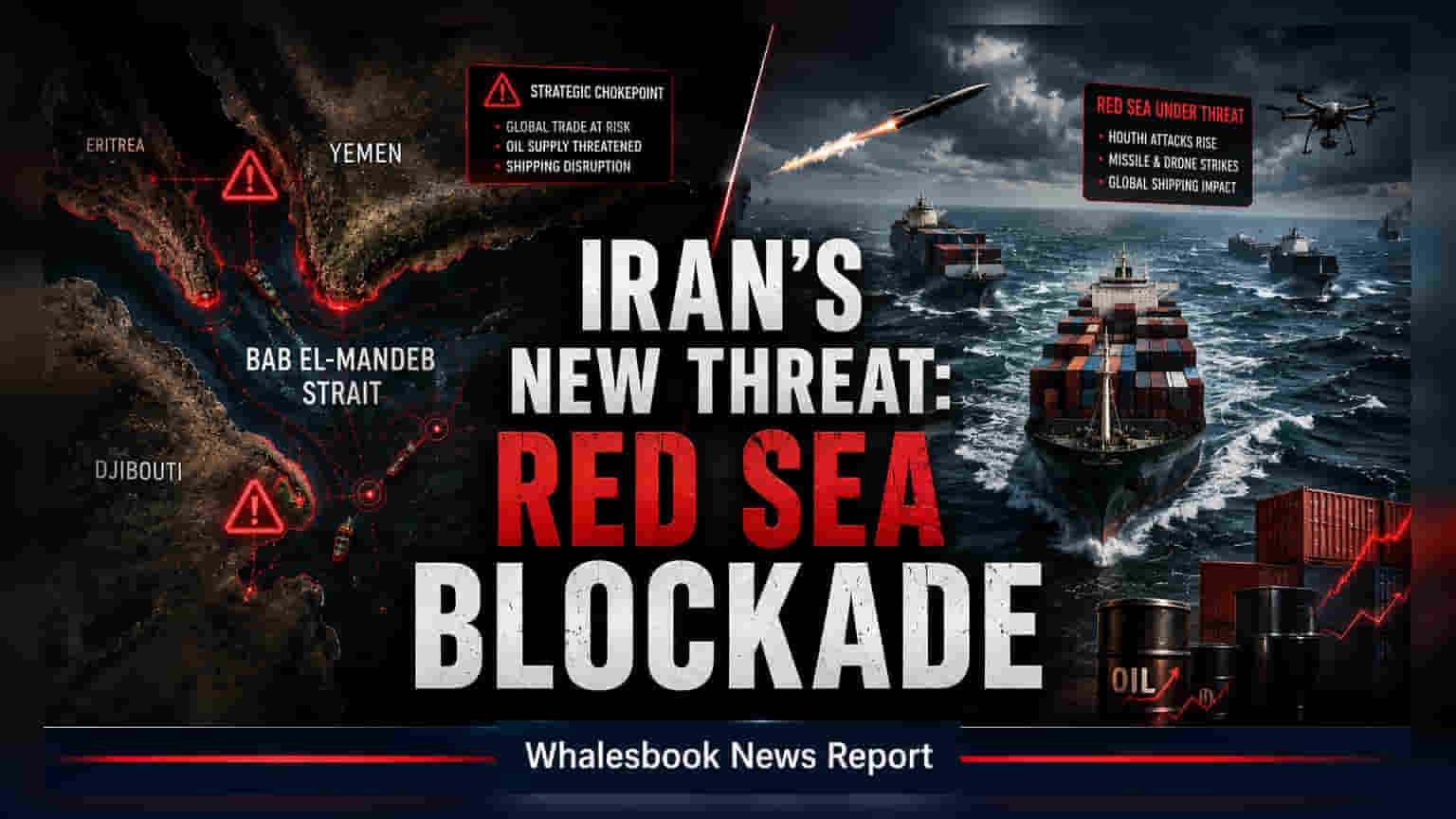
Iran-backed Houthi forces are threatening to block the Bab el-Mandeb Strait, a vital global trade route. This move could disrupt energy supplies and increase shipping costs for Indian companies relying on Red Sea corridors. The situation heightens geopolitical risk, forcing investors to monitor potential impacts on oil prices and maritime logistics expenses.
The Bab el-Mandeb Strait, a critical maritime gateway connecting the Red Sea to the Gulf of Aden, is facing renewed security concerns. Recent statements from Houthi officials suggesting a potential closure of this waterway have raised alarms regarding the safety of international shipping lanes. For the global economy, this route is essential for transporting energy supplies and goods between Asia, Europe, and the Middle East.
Impact on Global Trade and Energy
This development effectively expands the zone of conflict from the Strait of Hormuz to the Red Sea, creating a dual-chokepoint threat for global energy trade. If access to the Bab el-Mandeb is restricted, it would force commercial vessels to take significantly longer routes around the Cape of Good Hope. This rerouting process historically leads to higher fuel consumption, increased insurance premiums, and extended delivery timelines. For Indian companies, particularly those in sectors like oil and gas, chemicals, and manufacturing, these disruptions can translate into higher logistics costs and reduced profit margins.
Strategic Context and Escalation
Market analysts observe that these threats represent a tactical escalation in the broader regional tensions involving Iran and the United States. While the Houthis have already engaged in a campaign against commercial shipping since late 2023, the prospect of an organized closure of the strait remains a high-stakes scenario. The mention of potential oil price volatility by regional officials highlights the sensitivity of global energy markets to any interruption in flow through these narrow maritime passages.
Investor Monitorables
The primary concern for investors is the potential for supply chain bottlenecks and inflationary pressure caused by rising transport costs. Because a substantial volume of India’s trade with European and Middle Eastern markets passes through this region, the stability of the Red Sea is a direct factor in the operational expenses of numerous export-oriented businesses.
The situation remains fluid, and investors should track official updates regarding maritime security in the region, statements from major global shipping lines regarding route availability, and movements in international crude oil prices. Persistent disruption in this corridor may force companies to adjust their inventory strategies or revisit their margin guidance if logistics costs remain elevated for an extended period.