 Whalesbook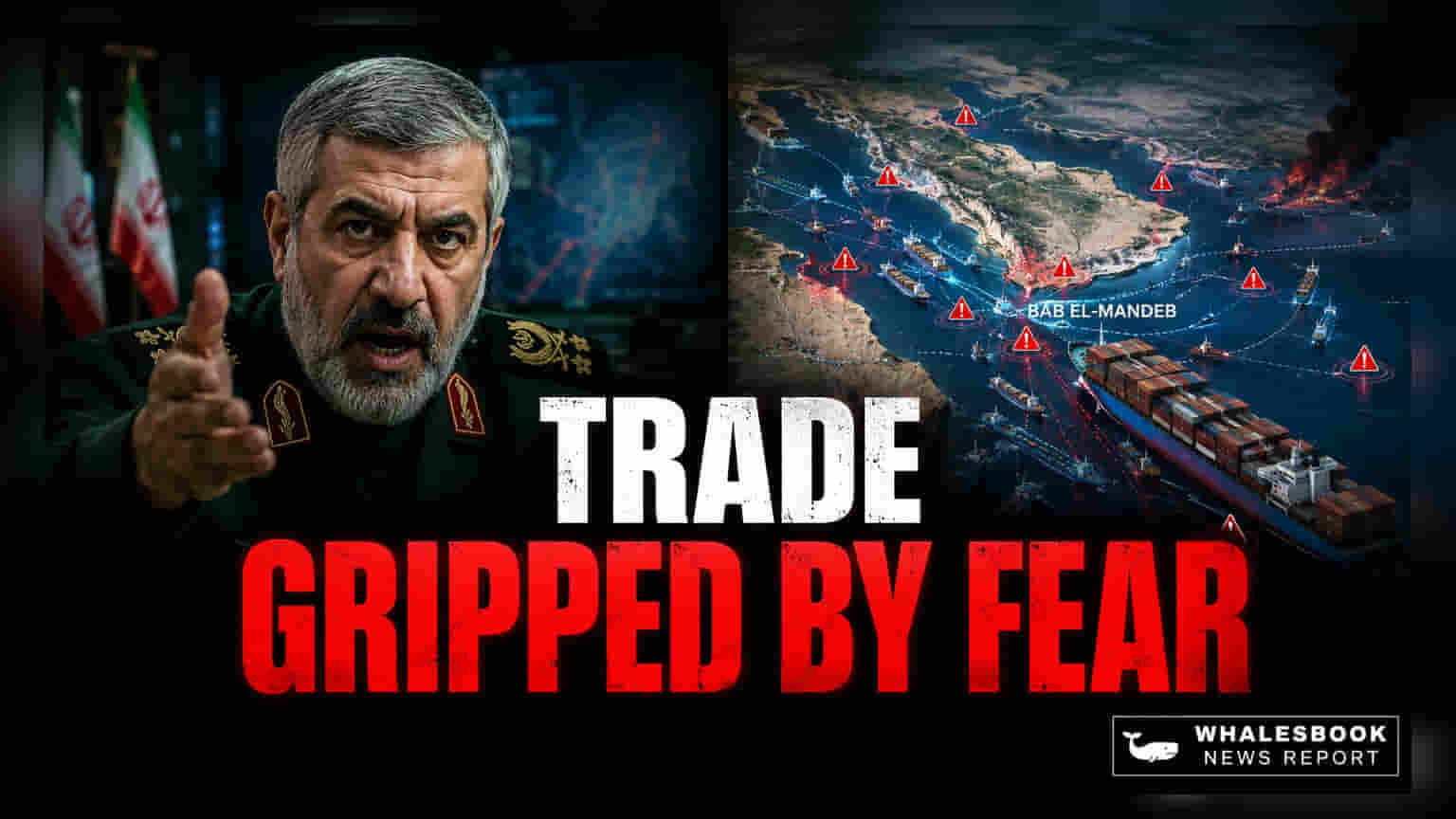


The Geopolitical Calculus of Maritime Interdiction
The strategic posture recently adopted by Tehran signals a move beyond localized skirmishes toward a systematic challenge to global maritime throughput. By threatening a simultaneous closure of both the Strait of Hormuz and the Bab el-Mandeb, Iranian authorities are signaling an attempt to bypass traditional diplomatic channels and directly weaponize the vulnerabilities of international supply chains. This shift suggests a departure from covert maritime harassment toward a declared intent to induce systemic economic shock.
The Fragility of Global Logistics
Unlike previous instances of localized unrest, a coordinated blockage of these two chokepoints would eliminate the primary maritime arteries connecting the Persian Gulf to European and North American markets. Approximately 30% of global containerized freight depends on this corridor, necessitating immediate and costly diversions around the Cape of Good Hope. Such rerouting extends transit times by two weeks or more, compounding fuel costs and exhausting vessel capacity. Shipping conglomerates, already struggling with post-pandemic fleet optimization, now face an environment where insurance premiums for transit through the Gulf of Aden are poised for an exponential surge, fundamentally altering the operating cost structure for global retailers and energy importers.
The Forensic Bear Case: Structural Vulnerabilities
From a risk-mitigation perspective, the primary concern lies in the limited efficacy of existing contingency measures. While the East-West Pipeline provides a bypass for Saudi crude avoiding the Strait of Hormuz, no such infrastructure serves the Bab el-Mandeb. Consequently, the Red Sea remains a single point of failure for European energy security. Analysts point to the disparity in defensive capabilities; while Western naval task forces have maintained a presence, the sheer volume of asymmetrical threats—ranging from low-cost drone swarms to sea-mining capabilities—creates a defensive cost imbalance. The aggressor can disrupt commerce at a fraction of the cost required for state actors to secure it. Furthermore, market sensitivity is at a decade-high; historical patterns suggest that even the credible threat of a sustained closure historically leads to speculative volatility in Brent crude futures, regardless of immediate physical supply shortages.
Future Market Implications
Forward-looking volatility indicators suggest that commodity traders are already pricing in a permanent risk premium for energy and containerized goods. If the current rhetoric manifests into operational reality, inflationary pressures—which central banks have fought to tame over the last fiscal year—will likely face renewed upward force. Institutional investors are watching energy sector exposure closely, particularly for firms with high lean-manufacturing dependencies that cannot absorb sudden spikes in raw material and transport costs without significantly compressing net margins.