

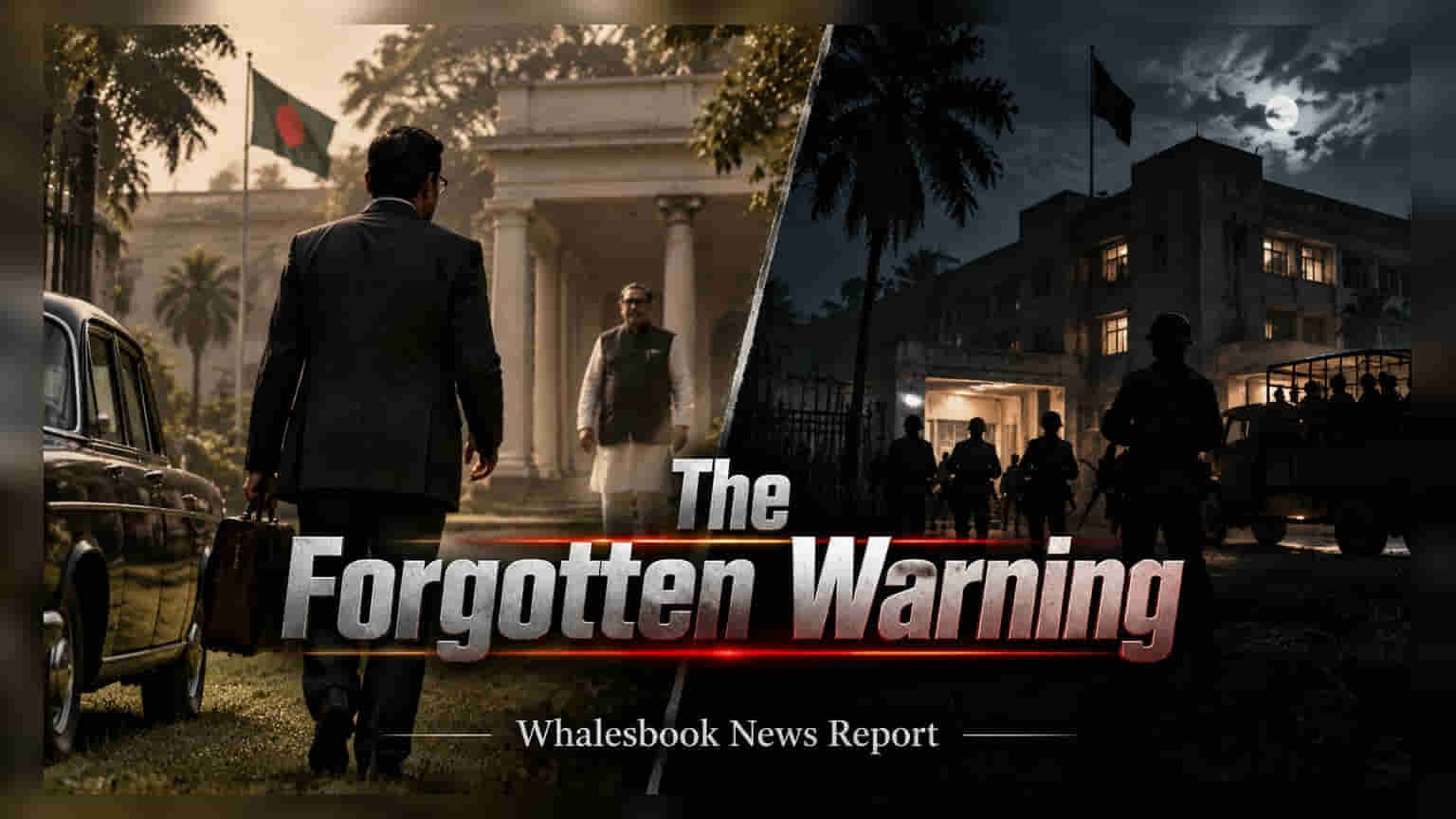
In 1974, Research and Analysis Wing (RAW) founder R.N. Kao provided specific intelligence to Bangladesh leader Sheikh Mujibur Rahman regarding a planned military coup. Despite receiving details on the conspirators, the warning was not acted upon, resulting in the 1975 assassination. This historical event serves as a significant study on the challenges of intelligence acceptance and political stability.
In 1974, R.N. Kao, the head of India’s Research and Analysis Wing (RAW), conducted a high-stakes intelligence mission in Dhaka. Under the cover of a trade representative, he secured a clandestine meeting with Bangladesh leader Sheikh Mujibur Rahman. The purpose of this visit was to deliver a direct, verified warning about a brewing insurrection within the Bangladesh Army. The intelligence provided by the Indian agency was highly specific, identifying the army units and key officers involved in the plot.
Despite the credibility of the information, Sheikh Mujibur Rahman, who led Bangladesh to independence in 1971, chose not to act on the intelligence. Historical accounts suggest his decision was rooted in a deep, personal trust in the soldiers and officers who had served under him during the liberation war. He reportedly viewed his own military as incapable of such a betrayal. This reluctance to implement security measures or neutralize the threat proved critical.
The consequence of this inaction unfolded on August 15, 1975, when soldiers breached the residence at Dhanmondi 32. The assassination of Sheikh Mujibur Rahman and most of his family effectively dismantled the post-1971 political framework in Bangladesh. This event ushered in a long period of military-led governance and fundamental shifts in the nation's political landscape, altering the geopolitical trajectory of South Asia for decades.
For analysts and historians, this episode remains a definitive case study in the limitations of intelligence operations. It highlights the complex dynamic between intelligence agencies and political decision-makers. Even when an agency provides verified warnings regarding existential threats, the outcome is often determined by the recipient's willingness to acknowledge and act upon the information. The event serves as a reminder of how political conviction or personal trust can sometimes override strategic security warnings, leading to irreversible historical consequences.