

A new Pew Research survey indicates that India and Pakistan view each other as primary geopolitical threats, underscoring ongoing regional tensions. For investors, this data highlights persistent geopolitical risks that can influence macroeconomic sentiment, foreign capital flows, and currency stability within the South Asian market.
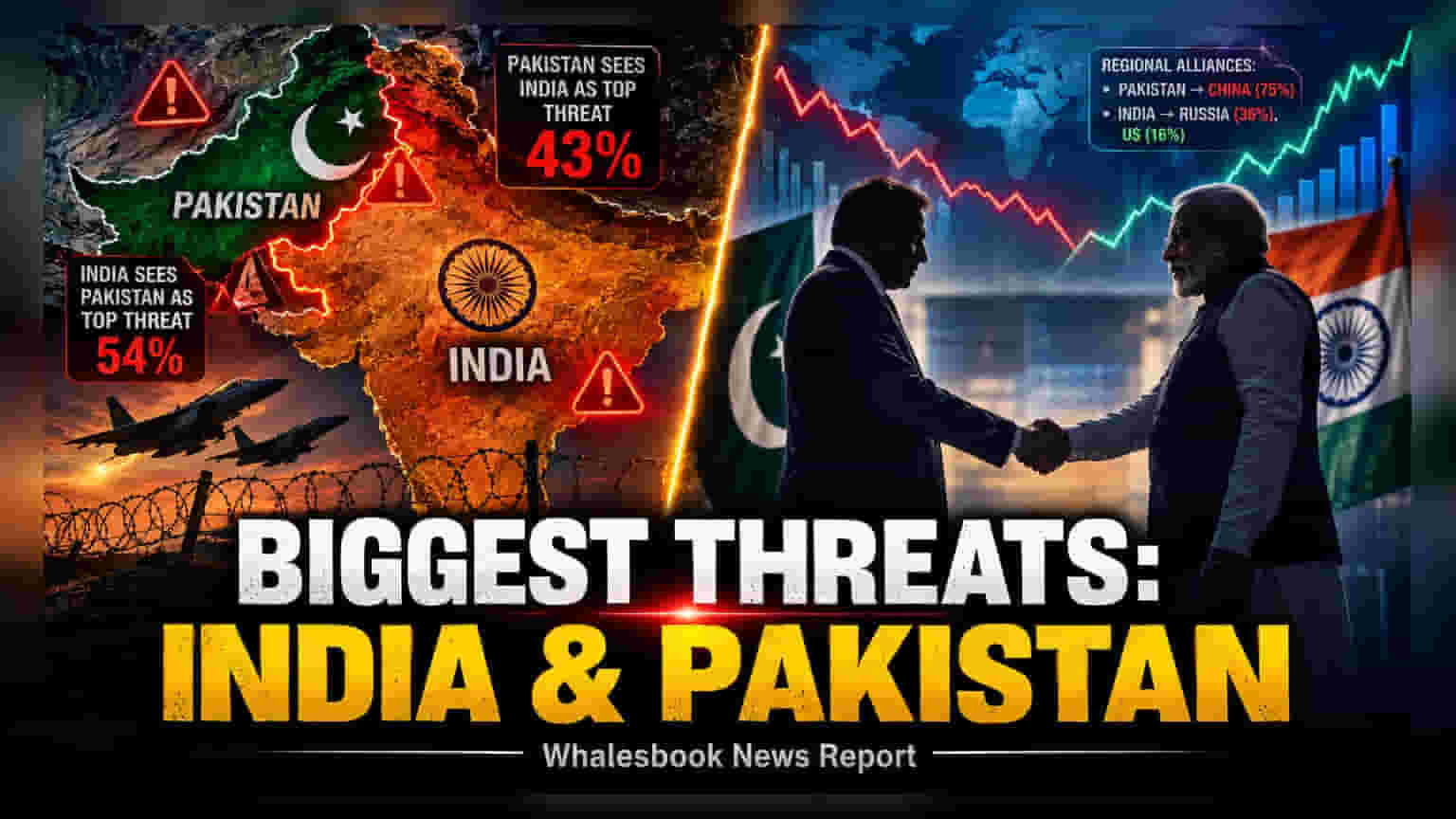
A recent Pew Research Center survey, published on August 13, 2026, has provided a statistical look at the deep-seated mutual distrust between India and Pakistan. The survey results show that 54 percent of surveyed adults in India identify Pakistan as their primary geopolitical threat, with 21 percent naming China. In contrast, 43 percent of Pakistanis view India as their most significant threat, while 24 percent each pointed to Israel and China.
This sentiment mapping is useful for investors because geopolitical stability is a key factor in assessing the economic and risk profile of a region. The survey also clarified the divergence in strategic alliances, which can influence regional trade and investment flows. About 75 percent of Pakistanis identified China as their most important ally. In India, respondents showed a preference for Russia (36 percent) and the United States (16 percent).
For Indian equity markets, persistent regional tensions create a backdrop of uncertainty. While Indian markets have historically demonstrated resilience to geopolitical shocks, institutional investors often account for these risks when evaluating the risk premium for emerging markets. Potential macro impacts include currency volatility, sensitivity in energy import costs, and the general influence of regional stability on Foreign Institutional Investor (FII) sentiment.
The survey also touched upon broader regional perceptions. Sri Lanka displayed a significantly more favorable view of India, with 79 percent of respondents expressing positive sentiment, while the views in Bangladesh and Pakistan were more cautious. These varying perspectives influence regional diplomatic relations and trade connectivity, which are long-term factors for economic integration.
Moving forward, investors often monitor indicators of regional stability, including diplomatic engagements and the evolving roles of major global powers like the U.S., China, and Russia in South Asia. While this survey reflects public sentiment rather than immediate corporate or policy change, it provides context for the geopolitical environment in which businesses operate across the region.