

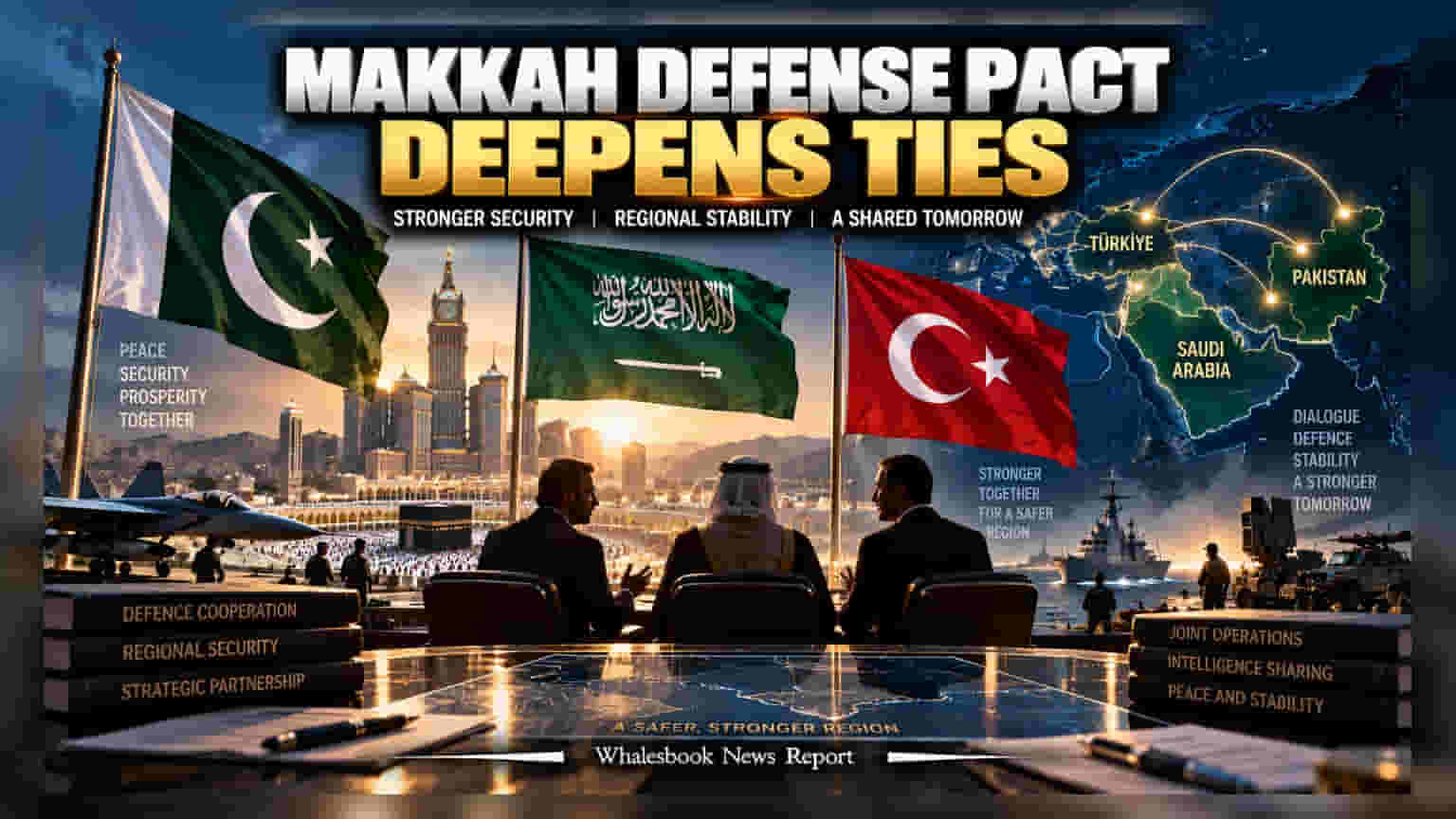
Pakistan, Saudi Arabia, and Turkiye are moving forward with the Makkah Joint Defence Agreement to unify regional security protocols. While the pact creates a collective defense shield, it highlights fiscal challenges, specifically regarding the high defense spending commitments of member nations like Pakistan. Investors are monitoring the potential impact of these long-term security obligations on fiscal stability.
Pakistan, Saudi Arabia, and Turkiye are actively advancing the Makkah Joint Defence Agreement, a strategic framework designed to unify the defense protocols of the three nations. Following high-level discussions between Pakistan’s Deputy Prime Minister Ishaq Dar and his counterparts, the alliance is shifting from a signed agreement to an operational security structure. The pact, officially signed on August 7, 2026, establishes a collective defense protocol where any armed attack against one member is treated as an act of aggression against all three.
To manage this new framework, the alliance is setting up a permanent secretariat in Saudi Arabia. Pakistan has been designated to lead this secretariat for an initial three-year term, marking a significant role in the administration of the new security architecture. The recent meeting of the Strategic Political and Defence Committee in Istanbul on August 31, 2026, laid the groundwork for these operational details, which are now being refined through ongoing diplomatic channels.
For investors and market analysts, this development carries important implications for the fiscal health of the region. A primary area of focus is the financial cost of sustaining such a high-level security commitment. Pakistan’s defense budget for the fiscal year 2026-27 stands at a record Rs 3.01 trillion. The need to maintain interoperability, joint intelligence capabilities, and collective defense projects introduces potential pressure on the country's national budget.
This allocation of funds for defense often comes at the expense of other essential government spending, such as infrastructure, education, or debt repayment. If the costs of the Makkah agreement require higher-than-expected defense outlays, it could limit the government's ability to reduce debt or stimulate economic growth. Financial markets often look for signs of fiscal discipline, and any significant increase in state spending can lead to concerns about long-term debt sustainability.
Beyond fiscal issues, the alliance operates in a volatile regional environment. Security analysts have noted that while the pact aims to provide stability, it also introduces geopolitical complexities. The realignment of defense commitments could influence existing diplomatic relations and regional security dynamics, which are factors that global investors consider when assessing market risk.
The next steps for this alliance will be closely watched. Market participants will be monitoring official updates regarding the operational costs, the specific projects the secretariat will undertake, and any further budget revisions in the involved countries. These details will determine whether the agreement remains a strategic security partnership or if it begins to place meaningful strain on the fiscal balance sheets of the member nations.