

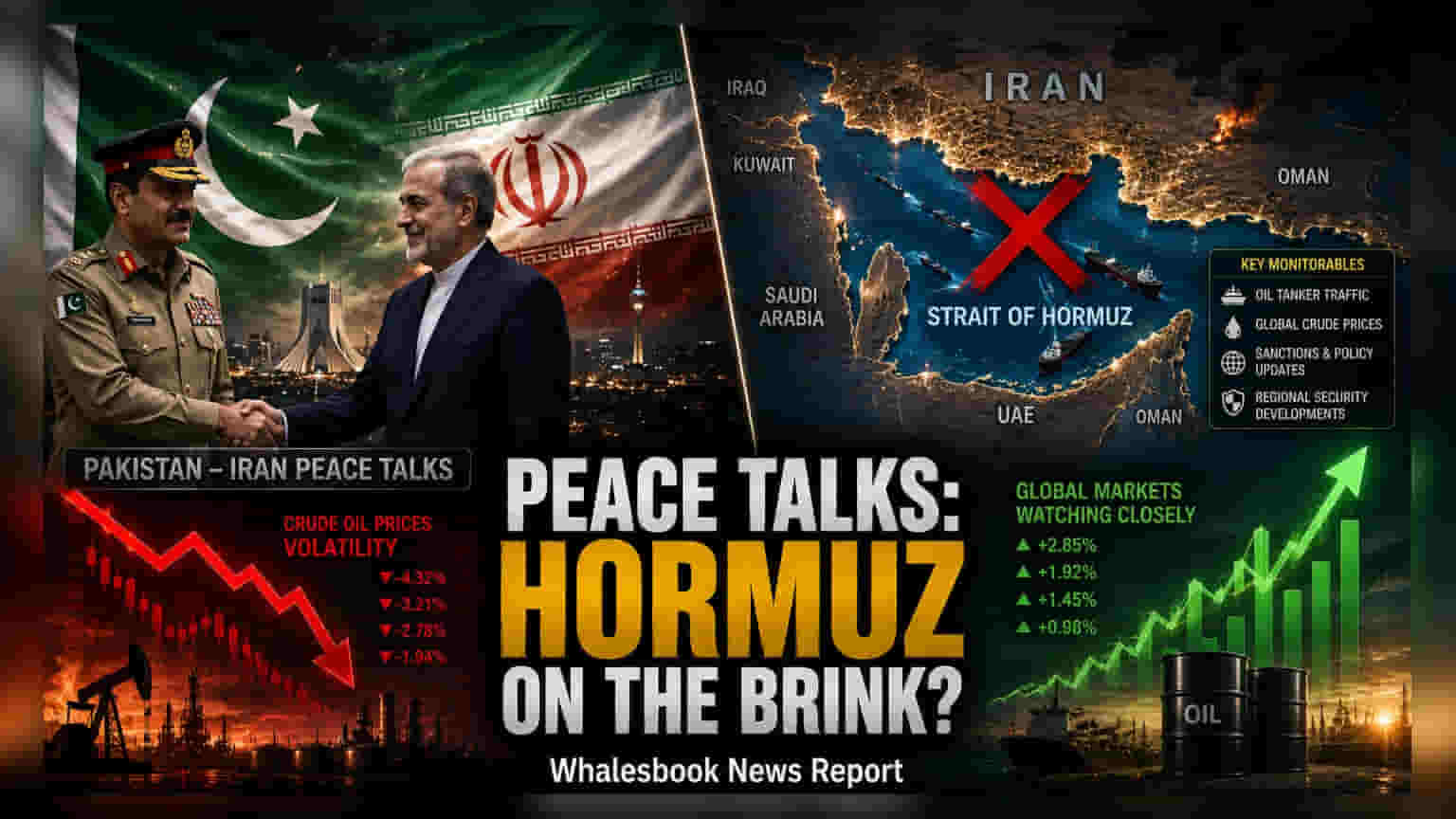
Pakistan’s Army Chief held high-level talks in Tehran on August 25, 2026, to discuss de-escalating the conflict involving Iran, Israel, and the United States. The primary focus is reopening the Strait of Hormuz, a critical route for global oil supplies that has been disrupted since February 2026.
Pakistan’s Army Chief Field Marshal Asim Munir visited Tehran on August 25, 2026, for urgent discussions with Iranian President Masoud Pezeshkian and other senior officials. The talks aimed to address the ongoing conflict involving Iran, Israel, and the United States, which has caused significant global market instability since February 28, 2026.
A central topic of these discussions was the status of the Strait of Hormuz. This waterway is one of the world's most important routes for oil transport. Its restricted access has disrupted global energy supply chains, leading to higher volatility in crude oil prices and increased shipping costs. Both sides explored diplomatic measures to reopen the route and prevent further regional military escalation.
The international environment remains challenging. The United States has intensified its economic policies against Iran, referred to as 'Operation Economic Outcast,' which began in late August 2026. These sanctions create a complex situation for any nation attempting to mediate. Financial markets have been closely monitoring these developments, as any change in the status of the Strait of Hormuz directly affects global energy prices.
While the talks signal a potential diplomatic effort, the situation on the ground remains tense. The ongoing economic pressure from international sanctions continues to impact the regional economy. Investors and market watchers should note that while these discussions are a step toward dialogue, a lasting resolution depends on broader geopolitical agreements involving multiple international powers.
The most important monitorable for investors and businesses in the coming weeks will be any tangible changes in oil tanker traffic through the Strait of Hormuz. Additionally, fluctuations in global crude oil prices and any updates regarding the 'Operation Economic Outcast' policy will be key indicators of how the situation is affecting international trade and energy markets.