

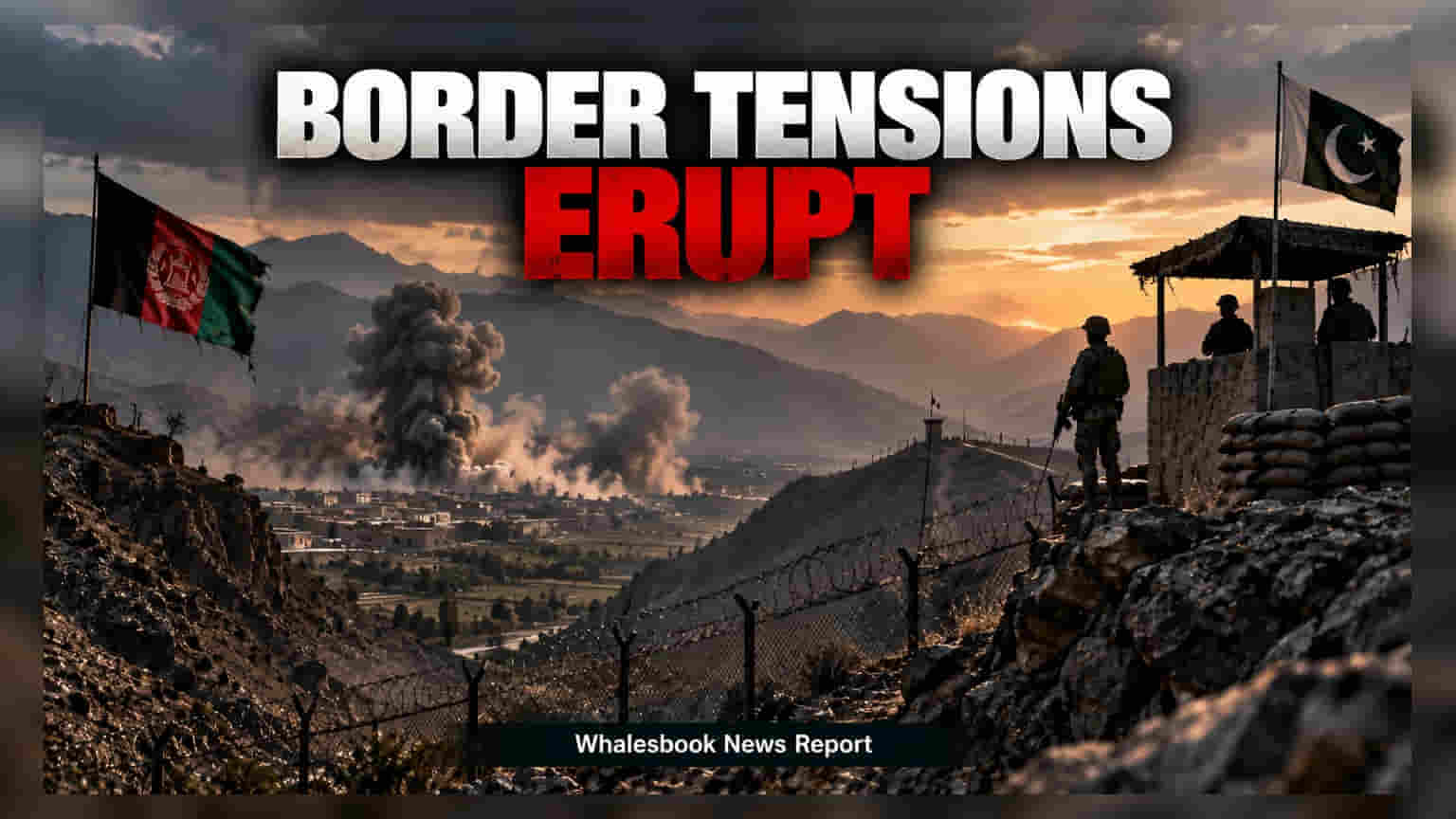
Tensions have flared along the Pakistan-Afghanistan border following reports of shelling and failed militant infiltrations. These developments, marked by diplomatic disagreements and increased regional security concerns, often influence risk sentiment in South Asian financial markets and highlight potential focus areas for the defense sector.
Security at the Durand Line has deteriorated following fresh reports of shelling and cross-border skirmishes. Pakistani officials allege that heavy mortar attacks originated from Afghanistan, targeting border posts. This follows what authorities described as a failed attempt by militant groups to enter Pakistani territory from the Paktia and Nangarhar provinces. The Afghan Taliban government has officially denied these reports, creating a diplomatic stalemate regarding the origin and nature of the attacks.
This escalation follows a series of recent military actions, including airstrikes conducted by Pakistan in eastern Afghanistan. While Islamabad states these strikes targeted militant hideouts, reports of civilian casualties—which have been noted by United Nations observers—have further complicated the diplomatic environment. Foreign Minister Ishaq Dar recently addressed the UN General Assembly, drawing attention to the presence of militant groups operating within the region. International diplomatic channels involving nations like China, Turkey, Qatar, and Saudi Arabia are attempting to mediate, but the situation remains fragile due to the ongoing blame game between Kabul and Islamabad.
For investors, regional geopolitical instability in South Asia often creates an environment of caution. While direct trade exposure between India and these specific conflict zones is limited, increased tension often influences market sentiment and currency volatility across the broader region. Historically, such escalations have prompted market participants to watch the defense sector closely, as regional powers often prioritize security and military spending during periods of heightened cross-border instability.
The situation remains volatile, and investors may track how these tensions affect broader diplomatic stability in the coming weeks. Market watchers will likely observe whether these events lead to shifts in defense policies or security budgets within the region. Any updates from the ongoing international mediation efforts or changes in border security posture will remain key points for those monitoring the geopolitical stability of South Asia.