 Whalesbook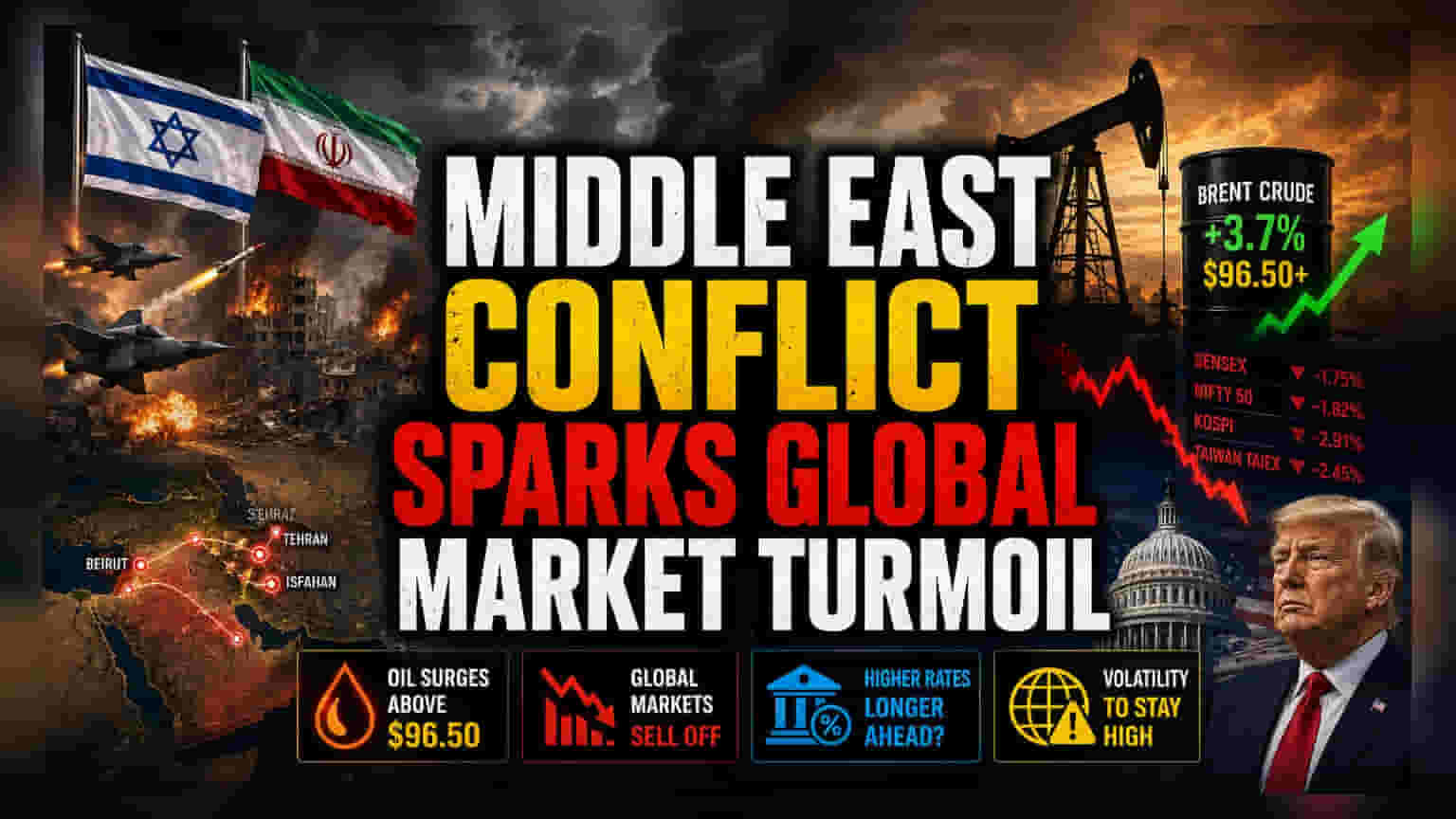


The Geopolitical Catalyst
The rekindled hostilities in the Middle East have moved beyond posturing, with the direct exchange of fire between Israel and Iran marking the most significant breach of the April 8 ceasefire to date. Following Israeli strikes on Beirut, Iran launched a coordinated ballistic missile attack against Israeli targets. In immediate retaliation, Israeli forces conducted airstrikes on military infrastructure in western and central Iran, including sites in Tehran, Tabriz, and Isfahan. This rapid-fire escalation occurred despite active, albeit stalling, diplomatic efforts by the Trump administration to keep a ceasefire in place.
Market Volatility and Energy Premiums
Energy markets responded with immediate intensity, as the potential for renewed disruptions at the Strait of Hormuz—a vital maritime chokepoint—pushed Brent crude futures up 3.7% to trade above $96.50 per barrel. The volatility is not limited to oil; global equity markets are facing systemic pressure. Asian indices saw significant declines, with tech-heavy markets in South Korea and Taiwan leading the retreat. In India, the BSE Sensex and Nifty 50 recorded sharp intraday losses, fueled by a weakening rupee and fears that surging import costs will force the Reserve Bank of India to maintain a hawkish stance despite the country's robust 7.7% FY26 GDP growth.
The Forensic Bear Case
Investor sentiment is deteriorating due to the intersection of three structural weaknesses. First, the geopolitical risk premium has returned with a vengeance, erasing the stability gains of the past two months. Second, the "AI trade," which had previously insulated global indices from broader economic malaise, is experiencing a sharp correction; this rotation away from tech is amplifying downside moves in broader market benchmarks. Third, macroeconomic data in the United States—specifically stronger-than-expected jobs numbers—is now being interpreted through a bearish lens. Rather than signaling growth, the robust labor market is reinforcing expectations that the Federal Reserve, under its new leadership, will be forced to hold interest rates higher for longer to combat inflation exacerbated by energy price shocks.
Future Outlook
Diplomatic leverage remains an open question. While President Trump continues to maintain that a deal is within reach and has publicly asserted that he controls the parameters of US foreign policy toward Tehran, the reality on the ground suggests a fraying control over the conflict’s trajectory. Investors should expect continued volatility as markets react to every headline from the region. The central tension remains the clash between the administration's stated intent to reach an agreement and the ground-level military actions that continue to complicate the path toward a sustained resolution.