 Whalesbook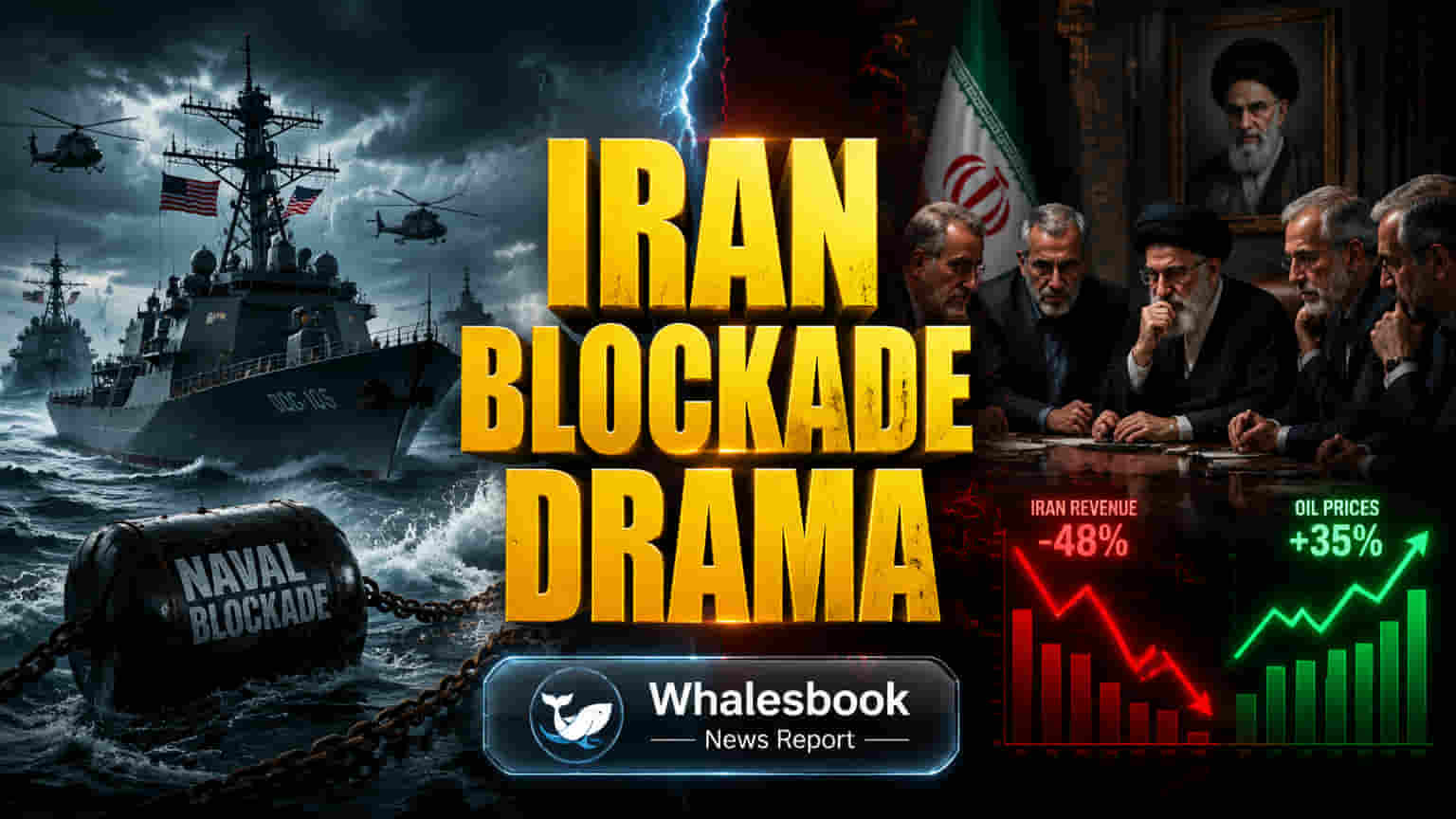


Oil Prices Surge Amid US-Iran Clashes
Oil prices are surging as renewed military clashes between the U.S. and Iran threaten peace talks. Brent crude futures climbed above $100 a barrel, reflecting high geopolitical risk. The rise followed reports of skirmishes in the Strait of Hormuz, a vital route for about 20-25% of global oil shipments. Although President Trump stated a ceasefire is in effect, heightened hostilities, including UAE reports of intercepted missiles and drones from Iran, have traders worried about supply security. Market sensitivity is high due to uncertain intelligence on the economic impact of U.S. pressure on Iran, contrasting with official statements.
Market Reacts to Escalation and Sanctions
Market sentiment is driven by escalating military action and uncertain diplomacy. Historically, conflicts in the Strait of Hormuz have caused swift, though often brief, oil price spikes. Past events, like tanker attacks in 2019 and the 2020 Soleimani strike, offer precedents for how markets react to U.S.-Iran tensions. The U.S. Treasury added to tensions by sanctioning ten individuals and companies in China and Hong Kong for allegedly helping Iran's drone and missile programs. These sanctions precede President Trump's planned meeting with China's President Xi Jinping, adding trade complexity. The World Bank forecasts energy prices could rise 24% by 2026 due to the conflict, potentially increasing inflation and slowing global growth. A Federal Reserve report cited geopolitical risks and the oil shock as key financial stability concerns, signaling broad economic unease. Analysts expect continued oil price swings, with Brent crude likely to move within a wide range based on fears of supply disruptions in the Strait of Hormuz.
Iran's Resilience and Wider Risks
Despite the focus on conflict, significant underlying risks exist. A key concern is the risk of miscalculation during clashes, which could lead to a worse confrontation. Despite U.S. pressure, Iran has shown resilience. Studies show Iran has used economic diversification, increased non-oil exports, and new trade routes, especially with China, to withstand sanctions. This resilience limits the effectiveness of sanctions alone and suggests Iran is unlikely to collapse economically soon, despite some U.S. claims. Conflicting intelligence about how long Iran can withstand blockades also creates room for policy errors. Disruptions in the Strait of Hormuz, vital for much of global oil trade, pose a major risk with potential impacts on inflation, consumer spending, and industry profits worldwide. Sanctions on Chinese firms also risk wider trade impacts, especially before the U.S.-China presidential meeting.
Diplomatic Path and Oil Price Outlook
With Washington awaiting Iran's response to a U.S. peace proposal, markets remain on edge. Secretary of State Marco Rubio is anticipating a decision, expressing hope for a 'serious offer.' However, recent military actions, such as U.S. forces firing on Iranian tankers trying to breach the blockade, highlight these volatile dynamics. Analysts expect oil prices to stay volatile, swayed by diplomatic signals and any new military actions. The International Energy Agency also warned of ongoing market volatility, with Brent crude expected to trade in a wide range while geopolitical risks continue. The ultimate outcome depends on whether diplomacy can overcome renewed fighting and deep strategic differences.