

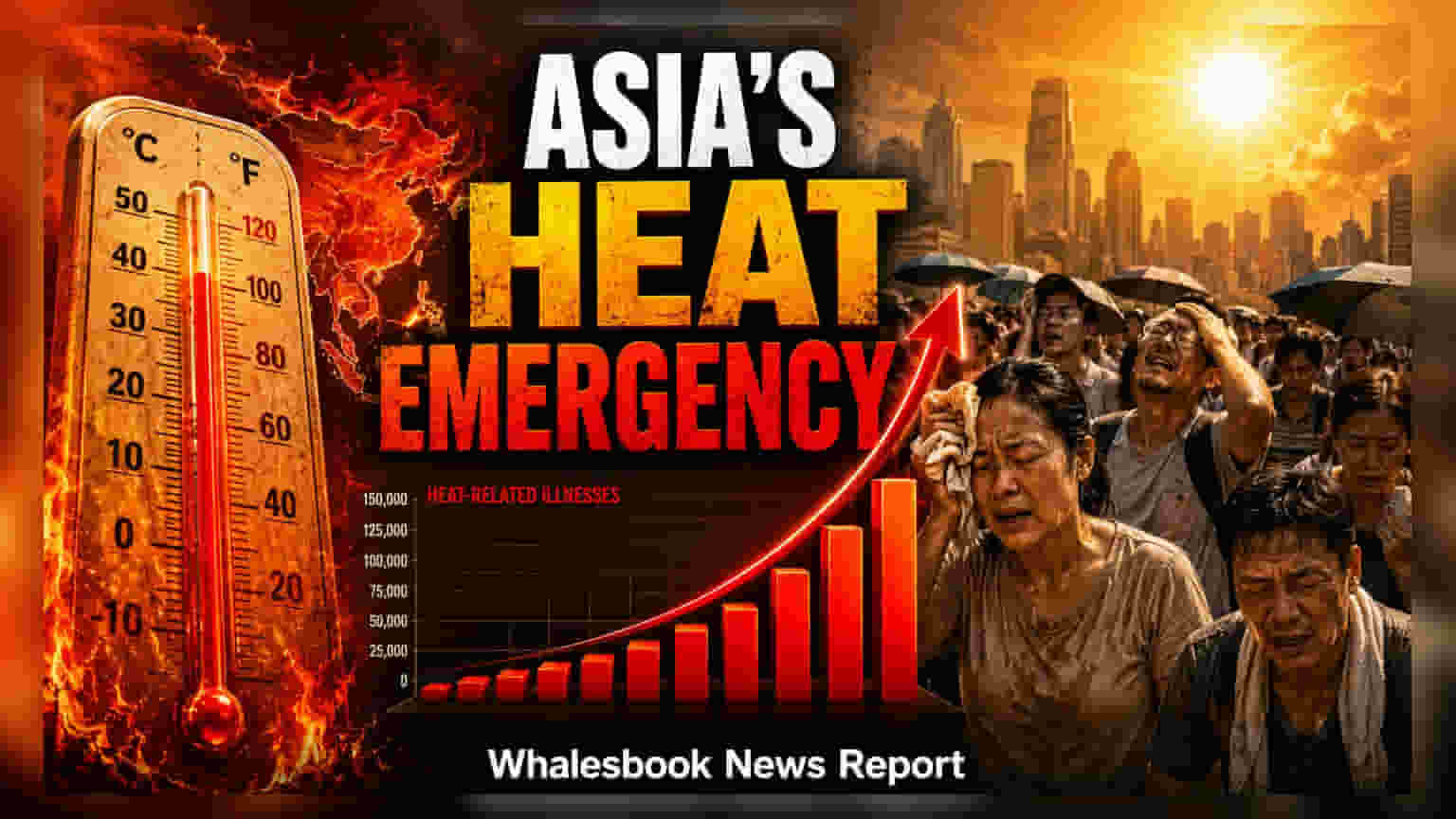
A severe heat wave across South Korea, Japan, and North Korea has caused fatalities and disrupted essential services. For global investors, such climate events are increasingly relevant as they can impact regional agricultural output, commodity prices, and energy demand, creating ripples in global supply chains.
A prolonged and severe heat wave is impacting Northeast Asia, affecting South Korea, North Korea, and Japan. The extreme temperatures have led to public health emergencies, with reports of fatalities, thousands of heat-related illnesses, and significant disruptions to daily life and public services. While this is primarily a humanitarian and meteorological event, it has implications for regional economies and supply chains that international market observers often track.
Impact on Agriculture and Supply Chains
The extreme weather has hit the agricultural sector in South Korea particularly hard. Authorities have reported significant losses, including thousands of livestock and over a hundred thousand farmed fish. Such events are monitored by market analysts because agricultural disruptions in major manufacturing or consuming economies can influence regional commodity prices and trade flows. When domestic production of protein and other food items is compromised, it can create immediate supply pressures, which, if sustained, may feed into broader inflationary trends for essential goods.
Infrastructure and Energy Pressure
Beyond agriculture, the heat wave has placed immense strain on energy grids and public infrastructure. In Japan, the situation has been compounded by health crises, with thousands of heatstroke-related hospitalizations reported in a single week. Essential services are struggling to keep up with the surge in cooling demand, a common pattern during extreme climate events. For investors, this highlights the growing importance of climate resilience in infrastructure. Sharp spikes in power demand often lead to increased consumption of energy resources, influencing local energy pricing and logistics.
Why Investors Monitor Climate Events
Global supply chains are increasingly sensitive to extreme weather events. The cancellation of public events, such as professional sports in South Korea, reflects the broader disruption to the service sector. While the immediate impact is on local health and logistics, the secondary effects—such as the potential for lower productivity, forced changes in work patterns, and volatility in food and energy prices—are factors that economists and sector analysts integrate into their broader risk assessments.
Investors typically view such events as a reminder of the rising frequency of climate-related risks. As temperatures hit record highs in Northeast Asia, the focus remains on how quickly the affected nations can restore normal supply chains and manage the pressure on their power grids and agricultural sectors. The ability of these economies to mitigate the impact of such heat waves is a key monitorable for those tracking long-term economic stability in the region.