

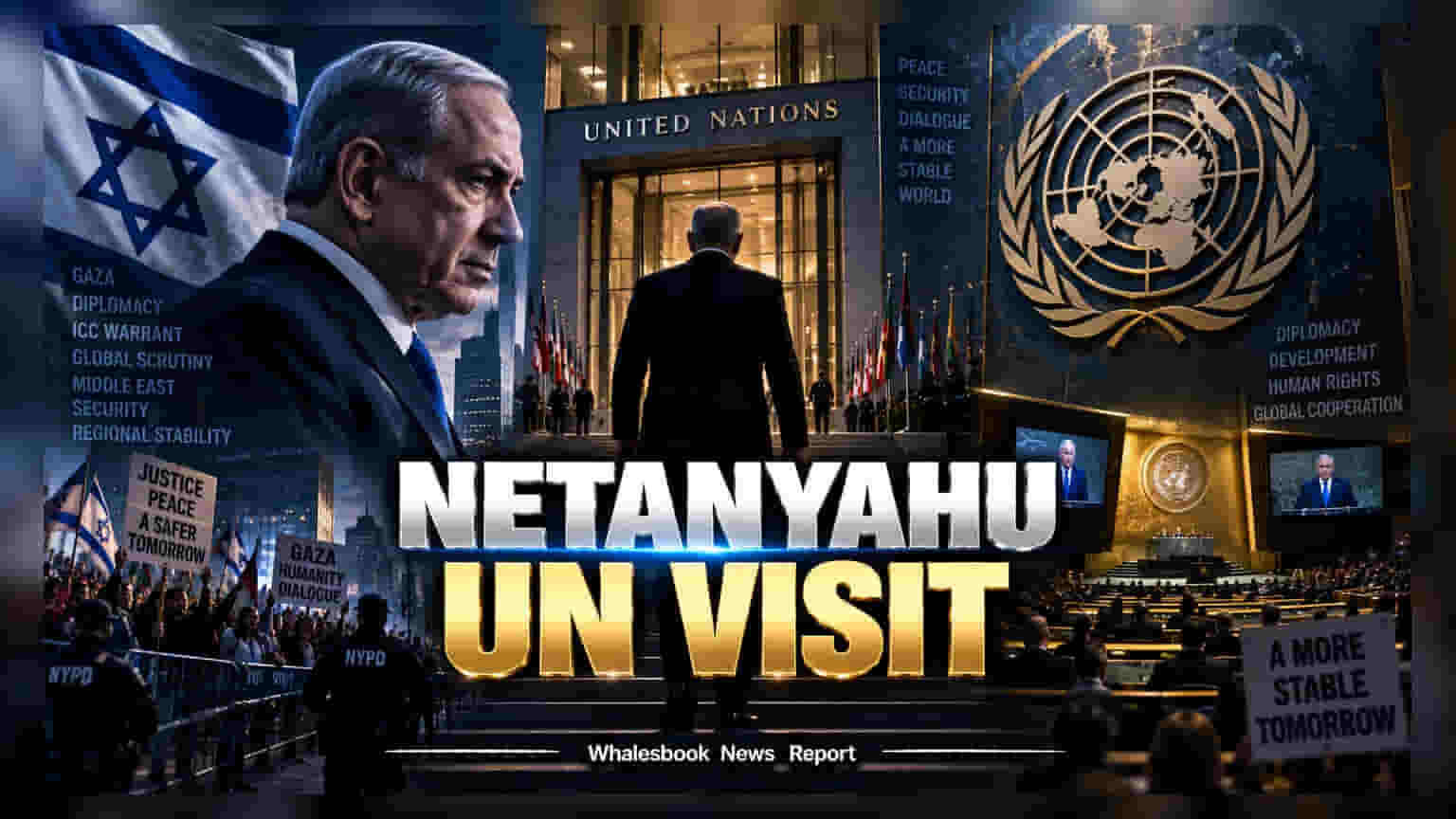
Israeli Prime Minister Benjamin Netanyahu is scheduled to visit New York on September 23, 2026, to address the United Nations General Assembly. The trip proceeds despite ongoing legal scrutiny from the ICC and calls for his arrest, which officials have dismissed as lacking jurisdictional authority in the United States. The visit is expected to draw significant security attention and protests.
Israeli Prime Minister Benjamin Netanyahu is set to travel to New York on September 23, 2026, with a planned address to the United Nations General Assembly the following day. This high-profile diplomatic visit occurs amid intense international scrutiny regarding the ongoing conflict in Gaza and the subsequent legal actions initiated by global bodies.
The visit has become a focal point of debate due to an arrest warrant issued by the International Criminal Court (ICC) in November 2024, which alleges war crimes and crimes against humanity. Although some local political figures in New York have publicly called for the Prime Minister’s arrest, these demands have been largely retracted or dismissed by legal experts. Officials have clarified that New York City does not possess the jurisdictional authority to enforce ICC mandates. Additionally, as neither Israel nor the United States are members of the International Criminal Court, U.S. leadership has confirmed that the Prime Minister will not face arrest while on American soil.
Security preparations in New York are expected to be substantial. The timing of the visit, which aligns with the Jewish High Holidays and an active election cycle, has raised concerns about potential public unrest. City officials are anticipating significant protests, and diplomatic observers are preparing for possible walkouts or demonstrations during the address, consistent with previous sessions of the General Assembly.
For investors and global market participants, such high-level diplomatic events are relevant as they can influence international sentiment and regional stability. While the visit is a standard diplomatic engagement, the potential for public friction or shifts in international rhetoric remains a monitorable factor. Global markets often assess these forums for signals regarding trade policy, geopolitical alliances, and regional developments that could impact commodity prices or investor risk appetite.
The primary monitorables for the coming weeks will include the management of security during the UN summit and the tone of diplomatic statements made during the General Assembly. Investors may also track whether the visit results in any shifts in international relations or policy positions regarding the Middle East, as these factors can indirectly influence global economic confidence.