 Whalesbook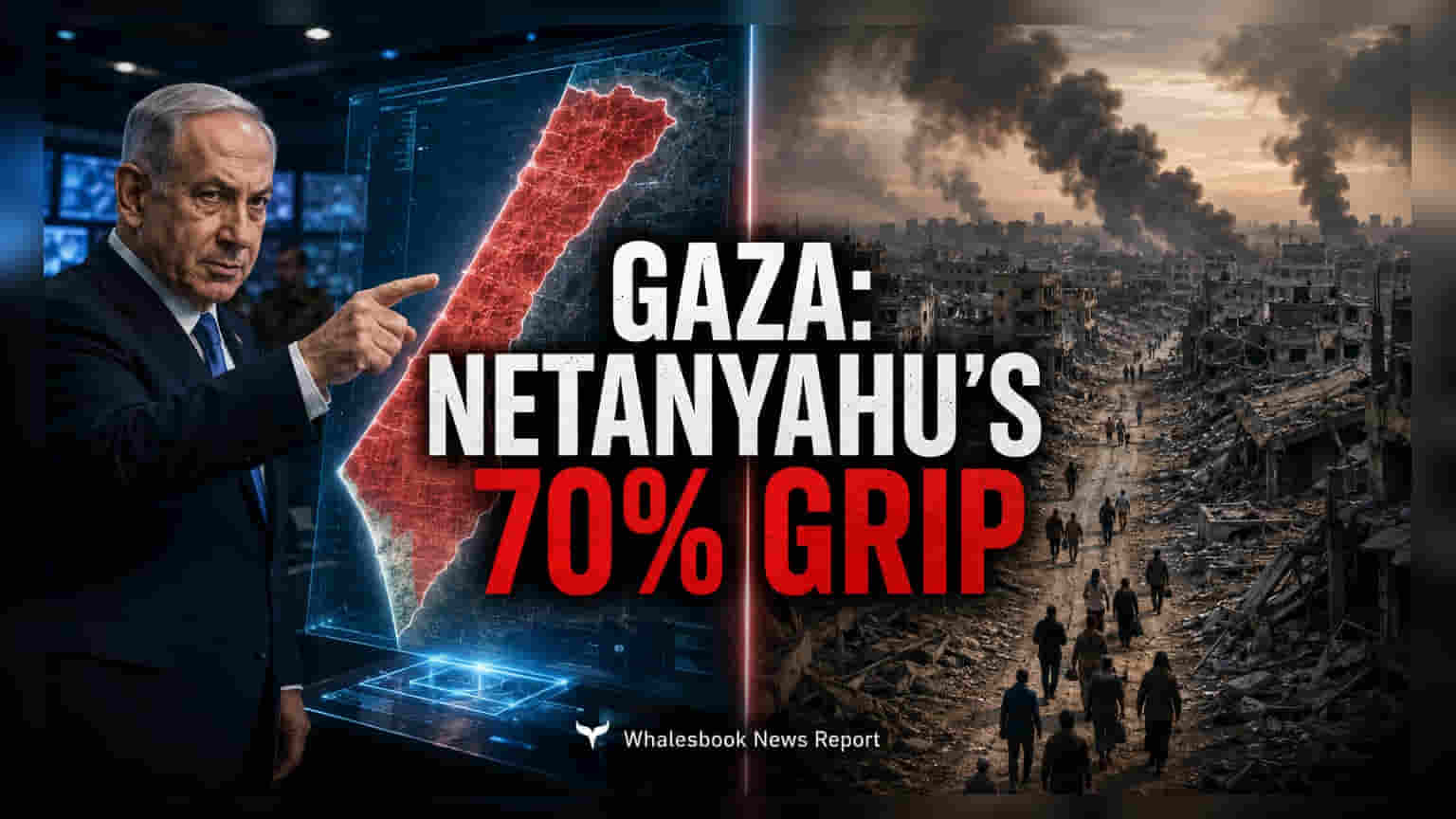


The Tactical Pivot
The formal directive to increase military footprint to 70 percent signals a shift from holding static lines toward a more aggressive territorial consolidation strategy. Public confirmation of this objective, delivered via recent broadcast commentary, clarifies a long-suspected roadmap for military engagement that moves beyond the previously defined ceasefire 'Yellow Line' established in October 2025. This move suggests that the administrative and security apparatus in Tel Aviv is prioritizing direct control over de-escalation, effectively formalizing the incremental gains observed by field monitors throughout the first quarter of 2026.
Geopolitical and Economic Friction
The implications of this expansion extend well beyond the immediate theater of operations, impacting regional stability and international supply chains. As military operations intensify, the viability of the October 2025 ceasefire agreement appears increasingly fragile. Analysts tracking the Levant observe that the deepening of this occupation carries significant risk for regional energy security and diplomatic relations, particularly as the humanitarian toll, now exceeding 72,000 casualties, invites further scrutiny from international governing bodies. The misalignment between Israeli stated goals and the stipulations set forth by the United Nations Office for Humanitarian Affairs highlights a widening chasm between security objectives and international law, potentially triggering further sanctions or cooling of trade ties with major global partners.
The Strategic Bear Case
From a risk-mitigation perspective, the pursuit of 70 percent control exposes the state to significant resource strain and intelligence overextension. Sustaining a high-intensity occupation over such a large portion of the enclave requires immense fiscal expenditure, diverting resources from domestic sectors and potentially exacerbating internal social tensions. Furthermore, the reliance on a phased approach creates a perpetual state of uncertainty for aid organizations and local inhabitants, which historically correlates with higher instances of civil instability and prolonged security requirements. Should this escalation fail to neutralize opposition forces, the military may find itself trapped in an asymmetric engagement that depletes capital reserves and erodes international support, leaving the nation vulnerable to external diplomatic isolation.
Monitoring Future Developments
Market participants and international monitors are watching for the UN Security Council's response to the updated directives. The potential for the situation to transition from a temporary conflict into a long-term administrative occupation remains the primary concern for regional stability. Future assessments will hinge on whether this 70 percent milestone remains a limit or acts as a baseline for total territorial integration, as current guidance from the executive branch remains deliberately incremental.