

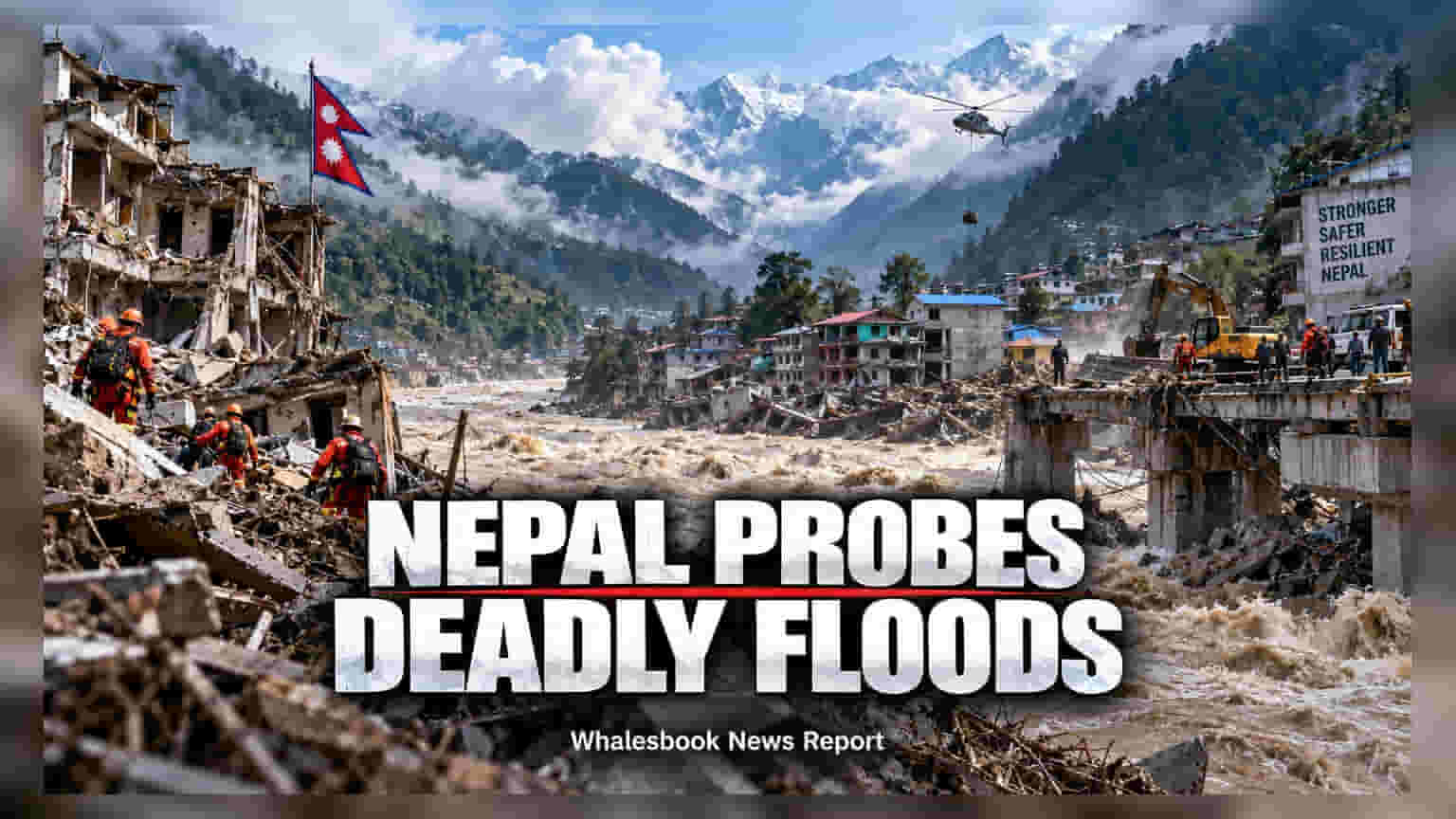
Nepal has formed a seven-member expert panel to investigate the August 26 Bhotekoshi floods, which severely damaged critical power infrastructure. Investors are monitoring the probe as findings could lead to stricter safety regulations for high-altitude energy projects and impact cross-border power supplies.
Nepal’s Ministry of Energy, Water Resources and Irrigation has officially formed a seven-member expert committee to conduct a thorough investigation into the Bhotekoshi River flash floods that occurred on August 26. The investigation, led by water policy expert Debesh Belbase, includes specialists in glaciology and disaster risk reduction. The panel’s main goal is to determine the scientific cause of the event, which resulted in the loss of over 1,400 lives and caused substantial damage to hydropower infrastructure across northern and central Nepal.
For investors and companies involved in the energy sector, this probe carries significant weight. Nepal is a key exporter of hydropower to India, and its rivers serve as the backbone for cross-border energy trade. The destruction of power assets during this disaster raises concerns about the long-term reliability of supply and the physical risks associated with operating in high-altitude, glacier-fed zones.
The government is currently navigating conflicting theories regarding the disaster's origin. While some international agencies have suggested the event was triggered by high-altitude glacial instability—a view supported by analysis from US and Chinese research groups—local authorities are maintaining a cautious stance. The committee is tasked with moving beyond speculation to gather precise, localized data that can identify the specific triggers, whether they be natural climate-linked risks or other geological factors.
This investigation is a major monitorable for the energy sector. If the final report concludes that glacial or high-altitude geological instability is the primary driver of such events, it will likely lead to a shift in government policy. Investors should watch for potential changes in safety standards for building dams and power plants in mountainous regions. Such changes could increase the money companies need to spend on construction to ensure projects are protected against natural disasters. Furthermore, the findings may influence insurance premiums and project timelines for future energy ventures in the region.
The panel is expected to submit a preliminary report within 30 days. The findings will be crucial for companies planning large-scale hydro projects, as they will define the regulatory environment for infrastructure development in one of South Asia’s most sensitive climate zones.