

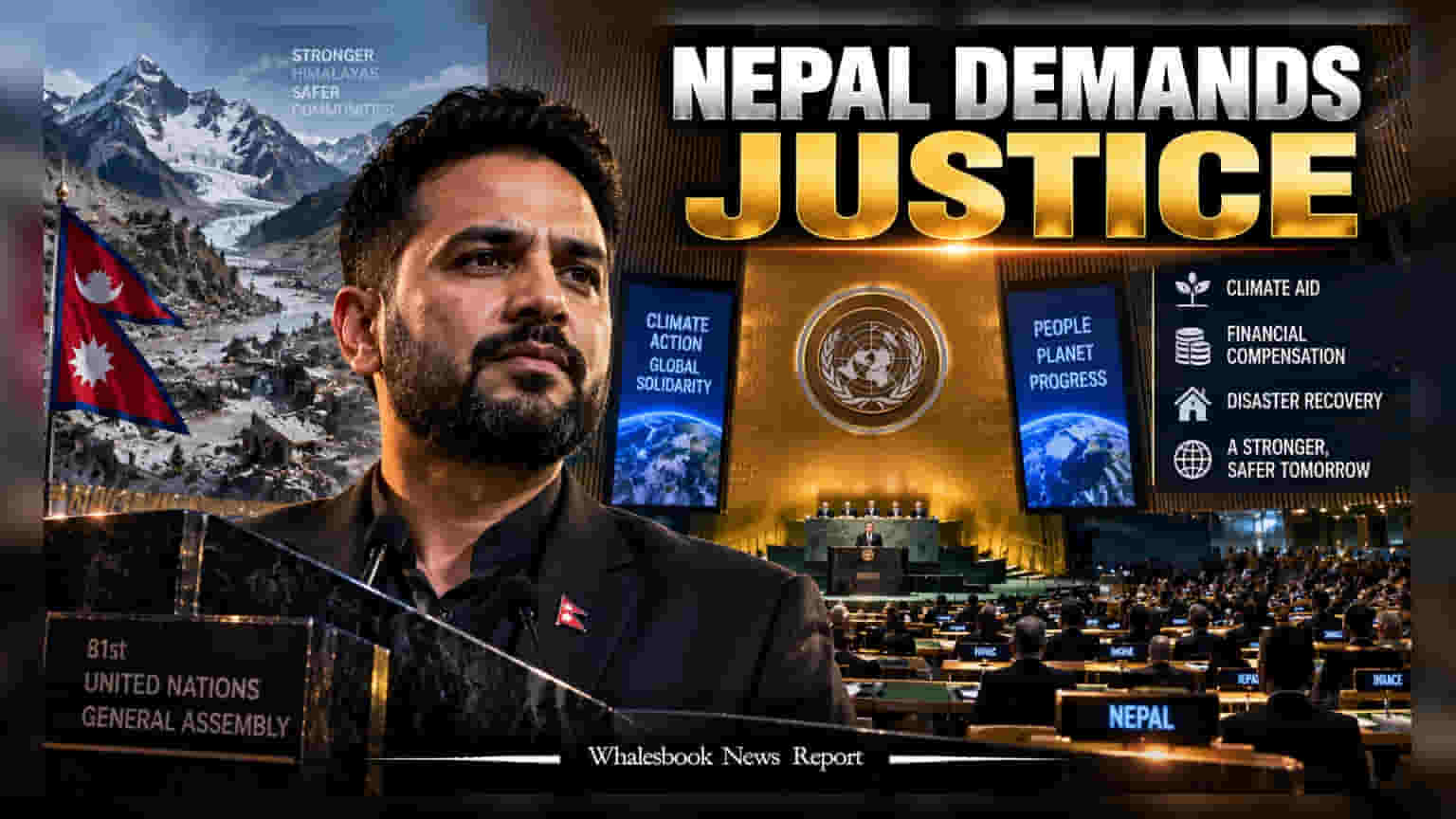
Nepal Prime Minister Balendra Shah will address the 81st UN General Assembly on September 24, seeking international compensation following a deadly ice-rock avalanche on August 26. The disaster, which caused over 1,300 deaths and severe infrastructure destruction, highlights the economic risks facing the region. Investors should monitor potential delays in cross-border hydropower and infrastructure projects as the government prioritizes emergency recovery.
Nepal’s government is preparing a diplomatic push at the upcoming 81st United Nations General Assembly, scheduled to begin later in September. Prime Minister Balendra Shah is set to use the platform to demand international climate aid and financial compensation for the extensive damages caused by the ice-rock avalanche that occurred on August 26, 2026. The disaster, which triggered severe flash floods across northern and central Nepal, has resulted in a death toll exceeding 1,300, with thousands of individuals reported missing.
Economic Impact on Infrastructure
The catastrophic event has severely damaged critical infrastructure, including roads, bridges, and energy assets in northern regions. For investors with exposure to the Himalayan region, particularly in the energy and infrastructure sectors, this creates significant uncertainty. Nepal is a key partner for many Indian and international companies involved in large-scale hydropower and connectivity projects. The destruction of physical assets not only disrupts current supply chains but also necessitates a significant reallocation of the national budget toward emergency relief and reconstruction.
Investor Monitorables in the Energy Sector
The central government is currently compiling a comprehensive damage report to justify its request for financial assistance. This focus on immediate disaster recovery may lead to project delays or budget reallocations for ongoing development works. Investors should track official updates on the status of cross-border hydropower projects, as the government’s capacity to support or co-finance future infrastructure may come under pressure. The cost of rebuilding these damaged areas is expected to be substantial, and the government’s ability to secure international funding will be a critical factor in determining how quickly normalcy returns to the region's business operations.
Diplomatic Focus on Climate Justice
Beyond immediate financial aid, the administration is positioning the crisis as a case study for climate justice. By arguing that Nepal suffers disproportionately from global climate change despite minimal carbon contributions, the government aims to establish a precedent for long-term support. While this diplomatic effort is aimed at securing international funds, the timeline for any actual disbursement remains uncertain. For market participants, the primary concern remains the operational stability of projects in the region and the broader macroeconomic stability of the country following such a massive disaster.