

As the death toll from the August 26 glacier collapse in Nepal surpasses 1,200, the country faces a dual crisis: a massive humanitarian search and deep economic damage. The disaster has crippled approximately 10% of the national hydropower capacity, forcing the government to shift policy toward demanding international climate compensation.
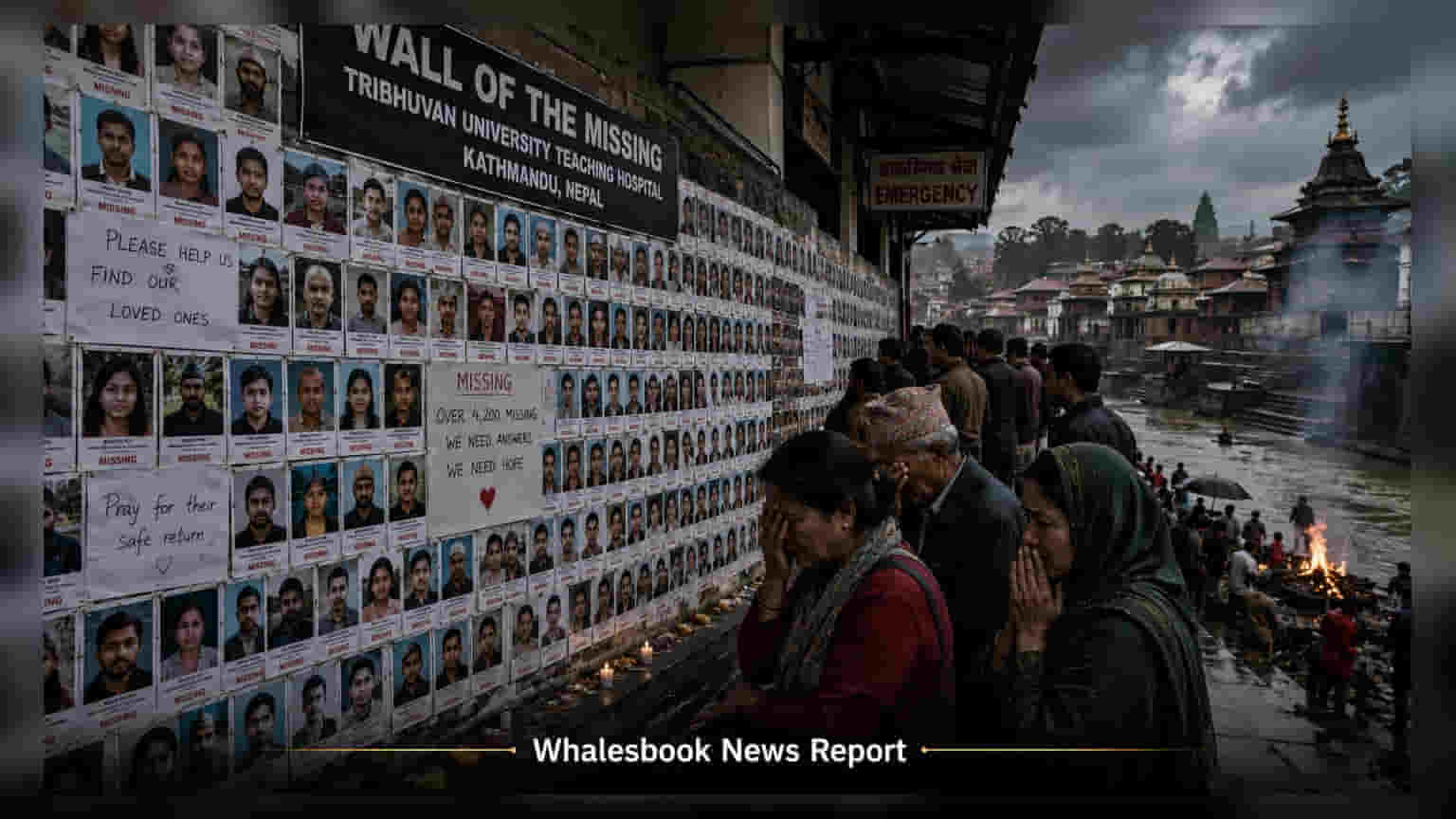
Nepal is currently navigating one of its most severe natural disasters following the catastrophic glacier collapse on Langtang Lirung peak on August 26, 2026. As of September 3, 2026, the tragedy has claimed over 1,200 lives, with more than 4,200 individuals still missing. At Kathmandu’s Tribhuvan University Teaching Hospital, a makeshift 'Wall of the Missing' has become a grim focal point for families, while those who have lost hope are performing traditional funeral rites at the Pashupatinath Temple along the Bagmati River.
Economic Impact on Hydropower Infrastructure
Beyond the profound human cost, the disaster has severely impacted Nepal's critical infrastructure, particularly the hydropower sector. Preliminary reports indicate that the flash floods and debris flows have destroyed or damaged roughly 281 megawatts (MW) of operational installed capacity, alongside 388 MW of capacity currently under construction. This total impact represents approximately 10% of Nepal’s national grid power capacity. The damage to these projects, where roughly 900 people remain trapped in tunnels, poses a significant risk to the country’s clean energy goals and its status as a net power exporter in the region.
Policy Shift and Reconstruction Risks
The scale of the destruction is expected to result in massive economic strain, with potential reconstruction costs estimated in the billions of dollars. In response, the Nepalese government is pivoting its international policy stance. Officials have begun demanding 'climate compensation' from major industrial nations, arguing that the disaster is a direct consequence of global climate change rather than a localized natural event. This shift in diplomatic strategy marks a significant departure from traditional requests for humanitarian aid.
Challenges Ahead
For the economy, the disaster presents a complex set of challenges. Rebuilding damaged hydropower facilities will likely require significant capital and time, potentially disrupting long-term energy supply plans and foreign trade agreements. Furthermore, the region remains vulnerable to future Glacial Lake Outburst Floods (GLOFs) as the Himalayan climate continues to warm. While the immediate focus remains on rescue and identification, investors and policy observers will likely monitor the government’s progress on reconstruction efforts, the final impact on energy export capacity, and the outcome of the new climate compensation demands.