

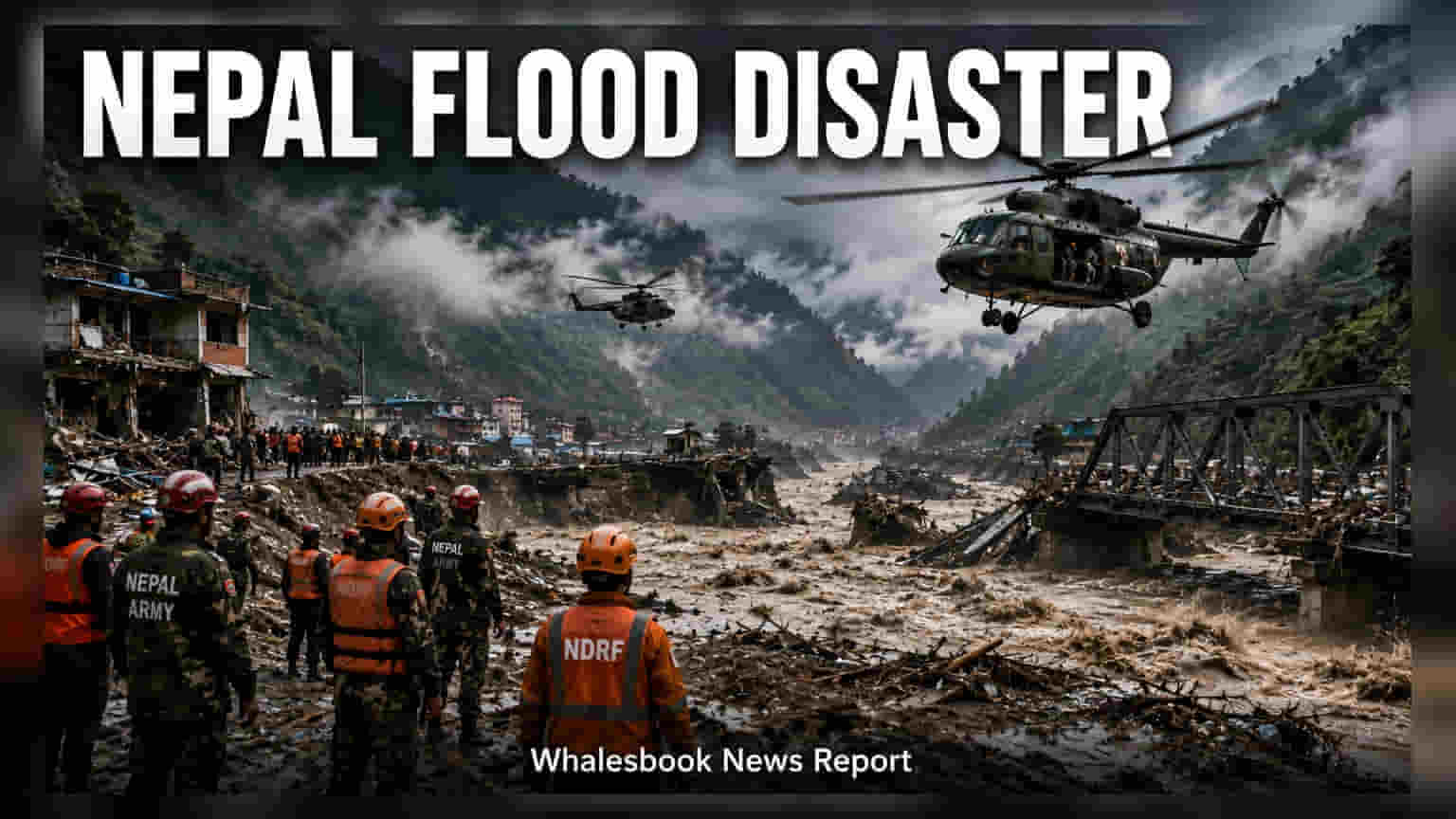
Devastating flash floods in Nepal have claimed 270 lives and left over 800 missing, including many foreign tourists. The disaster has severely damaged key infrastructure, triggering a sell-off in NEPSE hydropower and insurance stocks as investors assess potential project losses and high insurance claims.
A catastrophic flash flood event in Nepal has caused significant loss of life and widespread infrastructure damage as of August 27, 2026. Triggered by an ice-rock avalanche that blocked the Lhende tributary of the Bhote Koshi River, the disaster has claimed at least 270 lives. Rescue teams continue to search for over 800 missing individuals, among whom are nearly 300 Indian tourists. The scale of the destruction extends across remote areas, complicating recovery efforts and access to affected zones.
Infrastructure and Power Sector Impact
The physical damage to Nepal’s infrastructure is severe, with reports confirming the destruction of at least 35 motorable bridges, 45 suspension bridges, and 40 kilometers of roads. This disruption has severed transport links, which is particularly concerning for the tourism industry, a key economic pillar for the country. Furthermore, the hydropower sector has faced direct operational setbacks. Several hydropower projects in the region have reported significant damage due to the force of the floodwaters and debris. Because Nepal relies heavily on these projects for domestic power supply, the potential for prolonged operational disruptions has introduced uncertainty regarding future output capacity and project revenue.
NEPSE Reaction and Economic Risks
The Nepal Stock Exchange (NEPSE) responded to the disaster on August 26, with the index falling by 35.92 points. Selling pressure was concentrated in the hydropower and non-life insurance sectors. For hydropower companies, the primary concern is the physical damage to assets and the resulting cost of repairs or loss of power generation capability. For non-life insurance firms, the market is pricing in the risk of high-value claims stemming from the damaged infrastructure, which could impact their profit margins in the coming quarters.
The broader economic impact is being managed with international support, including a reported offer of up to 25 billion Nepalese Rupees in emergency assistance from the World Bank to aid in reconstruction. Investors are now closely monitoring the extent of the damage to individual power assets and the potential total liability for insurance companies. The long-term impact on the tourism industry, which depends on accessible trekking and pilgrimage routes, will also be a critical factor for the country’s economic health as the situation stabilizes.