

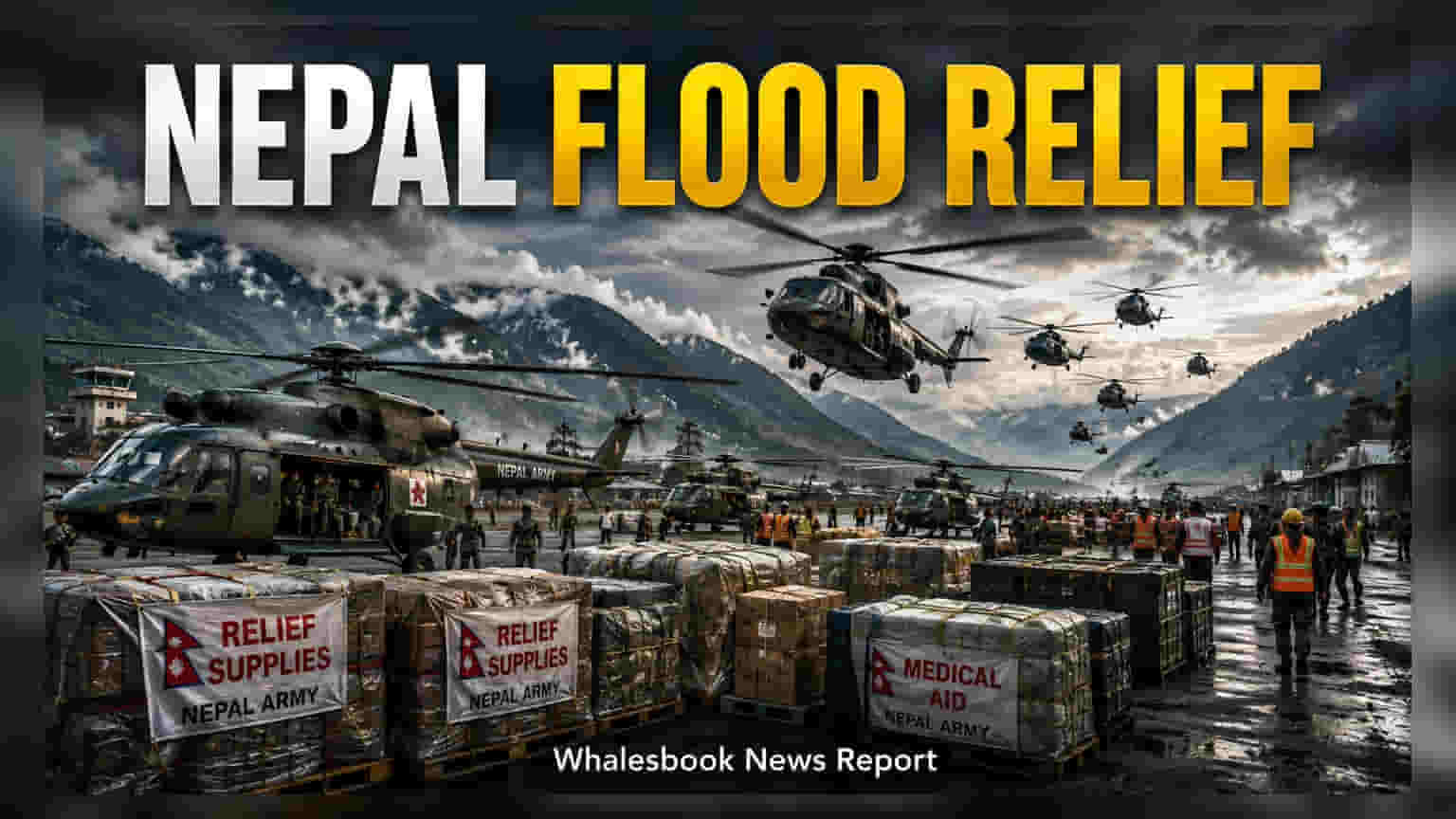
Massive flash floods triggered by a glacier collapse in Nepal have claimed 270 lives, with rescue operations intensifying. Over 40 helicopter charters have been deployed to reach isolated areas, while neighboring regions in India remain on high alert for potential downstream impacts.
Nepal is currently managing a major humanitarian crisis following a devastating flash flood along the Bhotekoshi River, which has claimed 270 lives as of Thursday, August 27, 2026. The disaster, triggered by a glacier collapse, has caused widespread destruction across several districts, complicating efforts to reach thousands of people who remain stranded or missing, including a significant number of foreign nationals.
Authorities have transformed Tribhuvan International Airport into a primary base for emergency logistics. By Thursday afternoon, over 40 private helicopter charters were deployed to transport essential supplies and medical aid to severely affected regions, such as Rasuwa and Nuwakot. The Nepal Army has also placed an additional 20 aircraft on standby to ensure that remote, flood-stricken communities receive support, despite significant challenges posed by destroyed roads and damaged local infrastructure.
Prime Minister Balendra Shah has conducted on-site inspections in the Nuwakot district, working with the Minister for Infrastructure Development to coordinate the restoration of vital transit routes. The scale of the damage to connectivity has turned the mission into a major logistical undertaking, with security forces and local volunteers working to clear debris and establish contact with cut-off settlements.
The situation is being closely watched across the border, particularly in Indian states that share proximity with the affected Himalayan regions. Downstream areas are observing water levels in the Bhotekoshi and related river systems, as the risk of flooding often extends across borders in such terrain. The disaster has also disrupted tourism and regional travel, with hundreds of individuals reported missing from roughly 30 countries, creating a complex situation for both rescue teams and international coordination efforts.
The primary focus for the coming days remains the search and rescue of those still missing and the stabilization of damaged infrastructure. Observers and regional authorities are expected to track the flood levels and the status of transit routes to assess the long-term impact on regional stability and cross-border connectivity.