

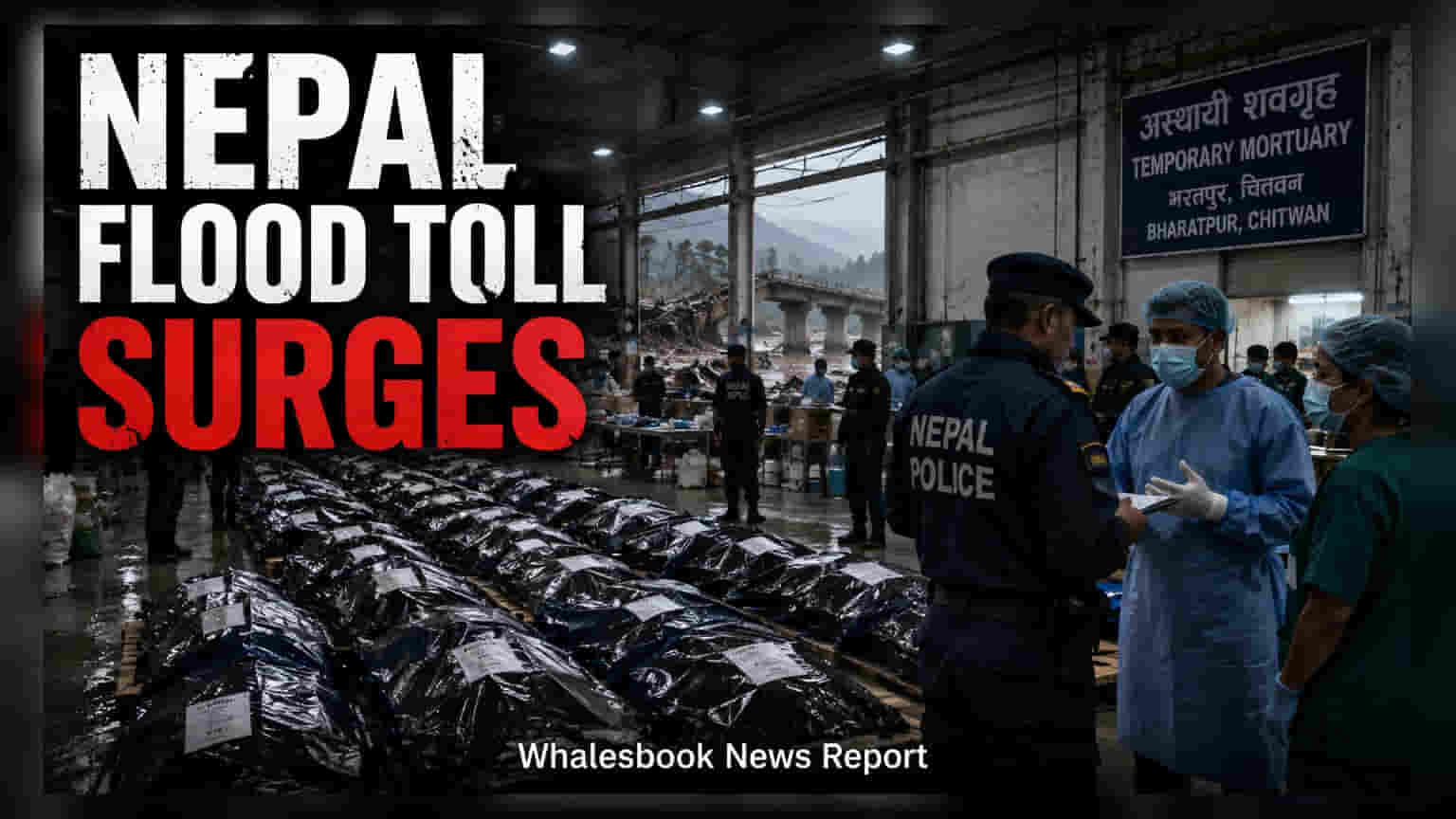
A catastrophic flash flood triggered by a glacier collapse in Tibet has claimed 469 lives in Nepal, with hundreds still missing. The disaster has severely damaged critical infrastructure, including hydropower projects and major trade routes, while overwhelming local healthcare facilities. The situation remains critical as rescue operations face significant logistical challenges.
The humanitarian crisis in Nepal has reached a critical stage as the death toll from the flash floods triggered by a glacier collapse on August 26 has risen to 469. Recovery teams continue to search for hundreds of missing individuals across the affected regions. This disaster, originating from a landslide near the Nepal-China border, has created widespread logistical disruptions along the Bhote Koshi, Trishuli, and Narayani river systems.
Infrastructure and Energy Sector Damage
The floods have caused significant damage to critical infrastructure, raising concerns about supply chain connectivity and power stability in the region. Reports indicate that 19 bridges have been destroyed and over 40 kilometers of road networks have been severely disrupted, complicating rescue efforts and the movement of essential goods. The energy sector has also faced a direct hit, with multiple hydropower projects, including the Chimile project, and a 220kv substation suffering structural damage. The destruction of these assets poses immediate challenges to regional power distribution and will require extensive rehabilitation efforts in the coming months.
Operational Strain on Medical Facilities
The influx of victims has overwhelmed regional healthcare infrastructure. Hospitals in districts like Chitwan and Kaski are operating beyond their capacity, struggling to manage the storage and processing of remains. Authorities are working to establish temporary storage facilities, including the conversion of an Industrial Enterprise Development Institute building in Bharatpur, to accommodate the surge. The lack of specialized sub-zero storage has forced officials to rely on temporary cooling solutions like dry ice to manage the situation while adhering to official identification guidelines.
Ongoing Humanitarian and Economic Impact
Beyond the immediate loss of life, the floods have damaged business establishments and customs offices, further impacting local economic activity. The United Nations has stepped in, releasing $2 million in emergency funding to assist the relief efforts. The primary focus for authorities remains stabilizing the logistics for search operations and preventing public health risks. The most important monitorable updates will be the pace of infrastructure restoration, the timeline for repairing energy assets, and the effectiveness of the ongoing humanitarian aid distribution.