

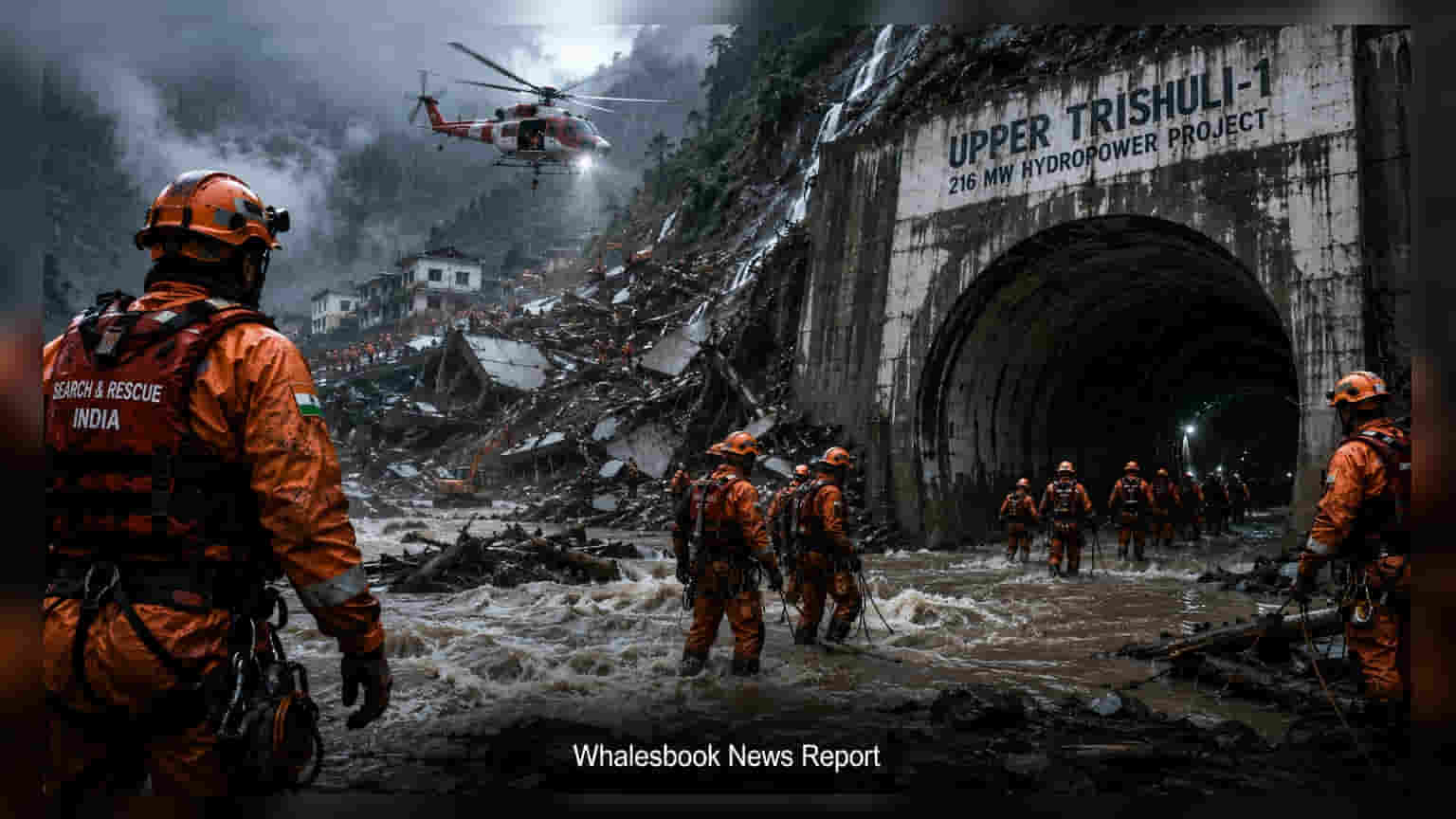
Nepal has reversed its decision to restrict foreign disaster relief, allowing international teams to assist with critical operations following massive flash floods. The floods have caused significant damage to major hydropower projects in the Bhotekoshi and Trishuli regions. Investors and industry observers may monitor the impact on infrastructure project timelines, asset integrity, and power supply stability.
The Nepali government has authorized international search-and-rescue teams from India, China, Australia, and South Korea to assist with ongoing relief efforts following catastrophic flash floods. The decision marks a significant policy reversal from earlier this week, when authorities indicated that domestic resources were sufficient to handle the crisis. The disaster, which has occurred in the Bhotekoshi and Trishuli river regions, has resulted in over 579 confirmed deaths, with nearly 2,000 individuals still missing.
From a business and infrastructure perspective, the situation is particularly critical for the energy sector. The Bhotekoshi and Trishuli river basins are home to several key power generation facilities. Reports indicate that at least 14 major hydropower projects, including the 216 MW Upper Trishuli-1 project, have sustained severe damage. The high number of missing personnel at these sites has raised concerns about the structural safety of tunnels and underground power houses, which are now the primary focus for the incoming international rescue teams.
For investors and companies involved in cross-border energy operations, this disaster presents several immediate risks. First, the physical destruction of power plants, tunnels, and transmission infrastructure implies substantial capital loss and potential insurance complications. Second, the disruption to these projects may lead to significant delays in construction and commissioning timelines for those currently under development. As many of these hydropower projects are integrated into regional power grids, prolonged outages or delays could affect the stability of power supply and the execution of long-term power purchase agreements.
Operational challenges remain a major hurdle. Even with foreign assistance, the geography of the affected region is complicating the response. Landslides have destroyed road networks, making it difficult to move heavy machinery and rescue equipment to project sites. Additionally, safety concerns—such as the risk of potential new flash floods from unstable debris dams and 'barrier lakes' along the Nepal-China border—have forced temporary pauses in rescue work. These environmental and logistical factors suggest that repairs and site assessments will likely be a slow, complex process.
Moving forward, the primary monitorables for market participants include the timeline for site clearance and the duration of operational shutdowns at major energy assets. Investors may also look for updates on damage assessments from project operators, which will likely dictate the financial impact on project developers and the broader regional power infrastructure. The ability of the sector to restore transmission connectivity will be a key factor in stabilizing the energy supply chain in the coming months.