

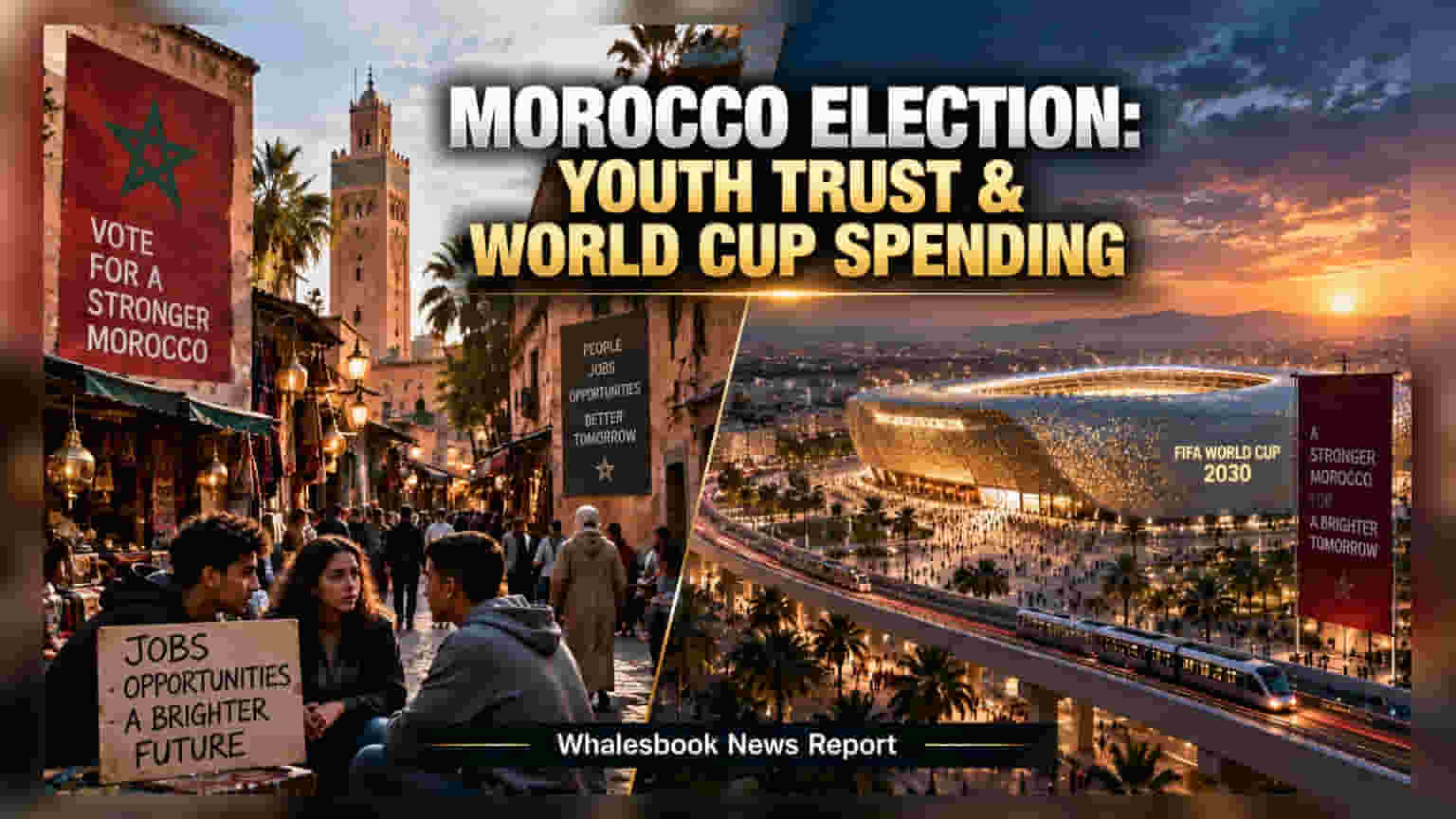
Morocco's parliamentary election is underway, with 16 million voters choosing a new government amidst economic stagnation and rising costs. The incoming administration faces the difficult task of balancing massive capital spending for the 2030 FIFA World Cup with the need to tackle high unemployment and public dissatisfaction.
Morocco is holding parliamentary elections for its 395-seat House of Representatives, an event that carries significant economic implications for the North African nation. Approximately 16 million citizens are eligible to vote, but the mood is marked by a clear tension between the state's ambitious growth agenda and the immediate reality of economic stagnation for many households.
For the incoming government, the most pressing financial issue is the upcoming commitment to co-host the 2030 FIFA World Cup. This event necessitates a massive increase in capital expenditure, as the country prepares to upgrade transport networks, hospitality infrastructure, and stadiums. While such investments are often viewed as a way to boost long-term tourism and economic activity, they place significant pressure on the national budget. The core question, and a point of debate within the country, is whether this spending will create sustainable jobs or if it will lead to higher debt levels without sufficient returns for the average citizen.
The current economic climate in Morocco is characterized by concerns over unemployment and the cost of living. Data on voter registration shows a decline of nearly 10 percent since 2021, suggesting a segment of the population, particularly the youth, is feeling disillusioned with the political process. This dissatisfaction is a crucial factor for the new administration to manage. If the government fails to address these daily economic struggles, it may face challenges in maintaining the social stability required to complete large-scale projects on schedule.
From a fiscal perspective, the election outcome will determine the coalition dynamics that shape the national budget. No single party is expected to secure a clear majority, meaning the next prime minister will likely have to lead a coalition. Building a consensus on fiscal policy—balancing the demands of infrastructure investment with social welfare spending—will be the first true test of the new government.
For international observers, the key monitorable is the government’s ability to manage its fiscal deficit. High infrastructure spending often requires significant borrowing, and the international credit markets will be watching closely to see if Morocco can maintain its creditworthiness while undertaking such a large project. Any sign of excessive debt or failure to control the budget could impact investor sentiment.
The results are expected within 24 hours. The immediate next step for the country will be the formation of a coalition government, which will then have to finalize the policy roadmap for the upcoming years. Investors should track official statements from the new administration regarding their infrastructure project timelines, as any delays or changes in the financing strategy for the World Cup could signal broader economic shifts.