

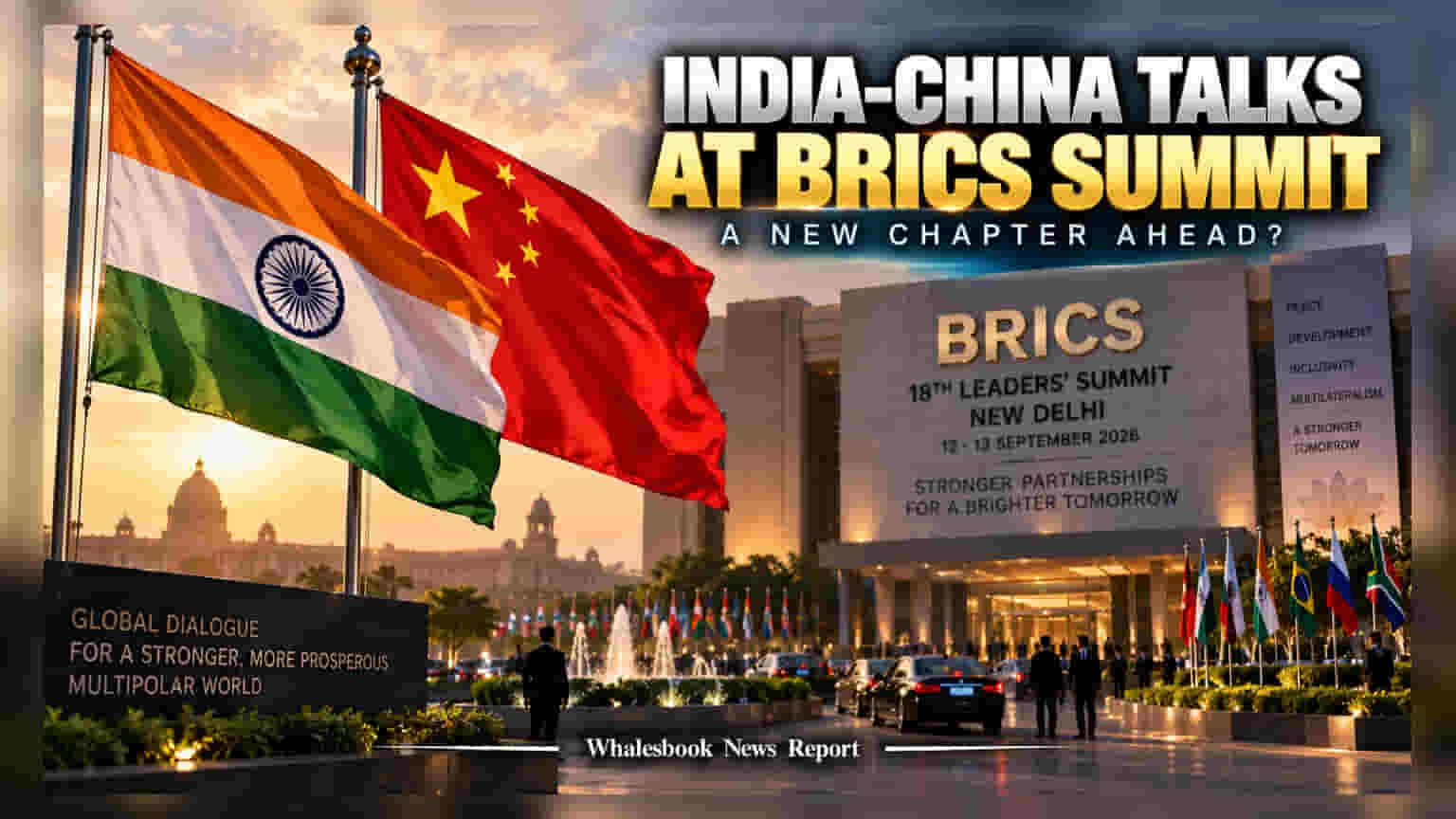
Prime Minister Narendra Modi and President Xi Jinping are expected to meet at the BRICS summit in New Delhi on September 12. This potential first formal talk since 2020 could signal a shift in economic relations between the two nations. Investors are watching for signs of de-escalation that might impact cross-border trade, investment norms, and supply chains in key sectors like electronics and energy.
The 18th BRICS Leaders’ Summit in New Delhi, scheduled for September 12-13, 2026, has captured significant attention due to the possibility of a formal bilateral meeting between Prime Minister Narendra Modi and Chinese President Xi Jinping. Should the meeting take place, it would mark the first substantive conversation between the two leaders since the border standoff in 2020, which created a period of limited diplomatic and economic engagement.
For the Indian market, the potential for a diplomatic thaw carries weight. Despite political tensions over the past few years, bilateral trade between India and China reached a significant $155 billion in 2025. This trade volume underscores the deep economic interdependencies that persist despite geopolitical friction. Investors and companies are now assessing whether this summit could lead to more stable cross-border policies, particularly for sectors that rely on Chinese inputs or investments.
India has recently shown a more pragmatic approach to economic relations, easing certain investment restrictions in sectors like electronics and solar energy. These policy adjustments are aimed at fostering growth in domestic manufacturing, but they also highlight the delicate balance India must maintain between encouraging foreign capital and ensuring national security. A high-level meeting between the two leaders could provide clarity on whether this trend of selective easing will continue or if further regulatory changes are on the horizon.
However, it is important for investors to remain cautious. The outcome of these discussions is not guaranteed, and diplomatic progress between these two nations often moves slowly. Challenges remain, including concerns over trade imbalances, security scrutiny of foreign investments, and supply chain dependencies. The meeting, if it occurs, will be a starting point rather than a resolution to all outstanding issues.
Going forward, the most important update for investors will be the official post-meeting statements or any communiques issued by both governments. These communications will likely signal whether there is a path toward normalizing broader economic interactions or if the existing cautious approach will remain in place. Investors should monitor for any specific announcements regarding trade agreements, new investment guidelines, or further adjustments to supply chain regulations that could impact Indian industries.