

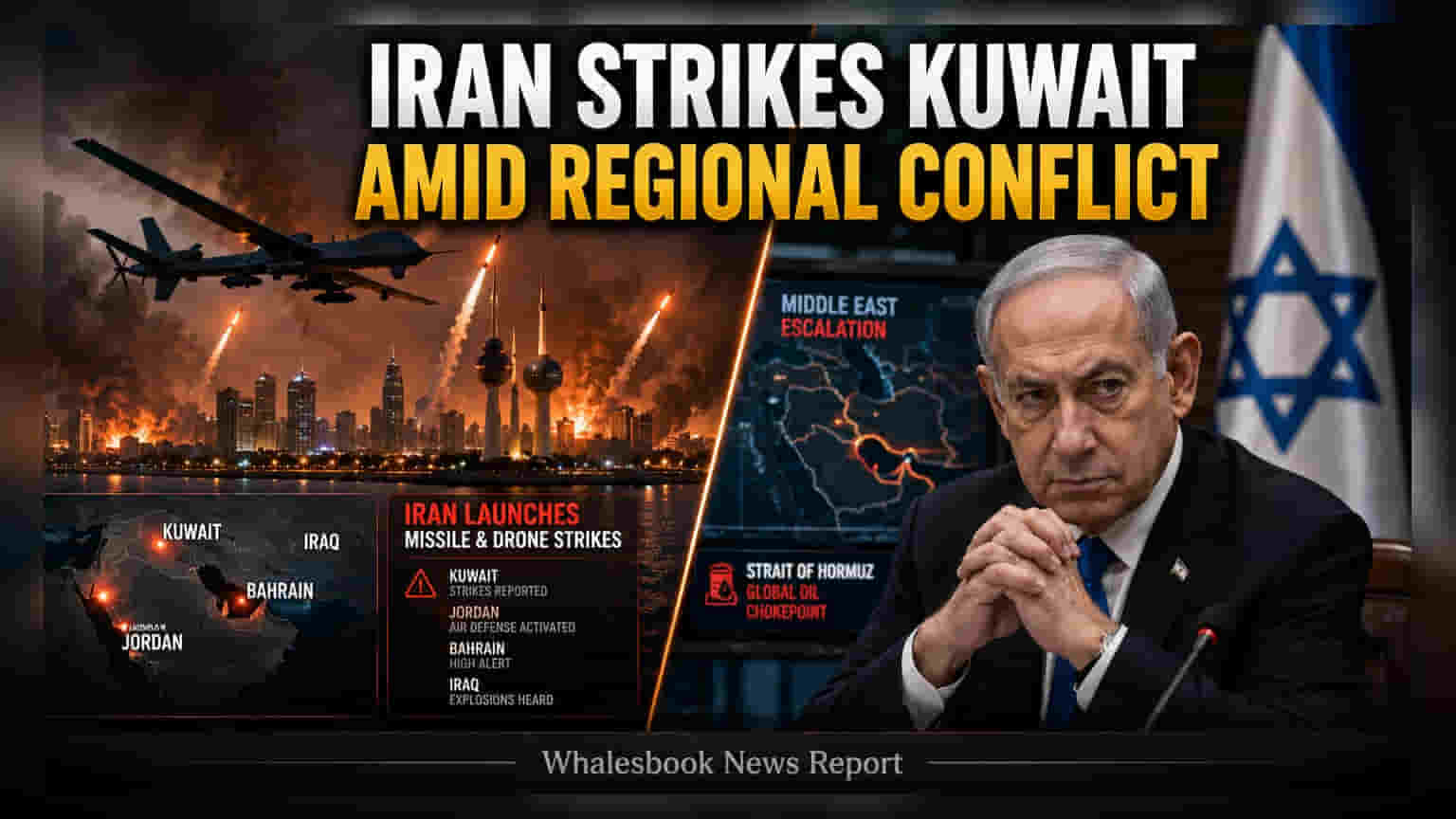
Iran has escalated regional hostilities with missile and drone strikes near the Strait of Hormuz following recent U.S. military actions. For Indian markets, the primary concern is the potential impact on global crude oil prices and supply chain stability, which may lead to increased volatility in energy-importing sectors.
The geopolitical situation in the Middle East deteriorated sharply between September 2 and 3, 2026, as Iran launched coordinated missile and drone strikes targeting areas in Kuwait, Jordan, Bahrain, and Iraq. This escalation follows U.S. military operations conducted on August 30 and 31 near the Strait of Hormuz, which aimed to neutralize Iranian rocket launchers and maritime infrastructure. The situation has introduced immediate uncertainty regarding global energy transit, as the Strait of Hormuz serves as one of the world's most critical chokepoints for oil shipments.
For Indian investors, the primary concern revolves around energy security and global crude oil prices. India imports a significant portion of its crude oil requirements, making the domestic economy sensitive to supply disruptions and price shocks in the Middle East. Historically, when tensions rise in this region, crude oil prices tend to become volatile. A sustained increase in oil prices can pressure India’s trade deficit, impact the rupee, and lead to imported inflation, which central banks and policymakers monitor closely.
Sector-specific impacts are a critical area for investors to follow. Companies in energy-dependent industries such as aviation, paints, and tyres often face margin pressure when crude oil prices rise, as their raw material costs are directly linked to petroleum products. Additionally, oil marketing companies may face volatility as the government balances retail fuel pricing against global market fluctuations. While these companies are essential, their profitability remains sensitive to global supply chain trends.
Simultaneously, the domestic political landscape in Israel is adding another layer of uncertainty. Prime Minister Benjamin Netanyahu is navigating a complex electoral environment with national elections scheduled for October 27, 2026. Ongoing domestic polarization, combined with the pressure of the regional security crisis, has created a fluid environment. Political stability or policy shifts in this region often correlate with broader market sentiment, though the direct impact on Indian equities is typically indirect through global risk-off sentiment rather than direct trade links.
Investors may monitor global crude oil benchmarks like Brent and WTI in the coming days, as these will likely reflect the market's assessment of the conflict's duration and scope. Tracking movements in the Indian rupee and the performance of energy-sensitive sectors will be important to gauge how the market is pricing in these risks. As of now, the situation remains highly dynamic, and the primary monitorable for the equity markets will be whether these hostilities cause a lasting disruption to energy supply chains or remain contained.