 Whalesbook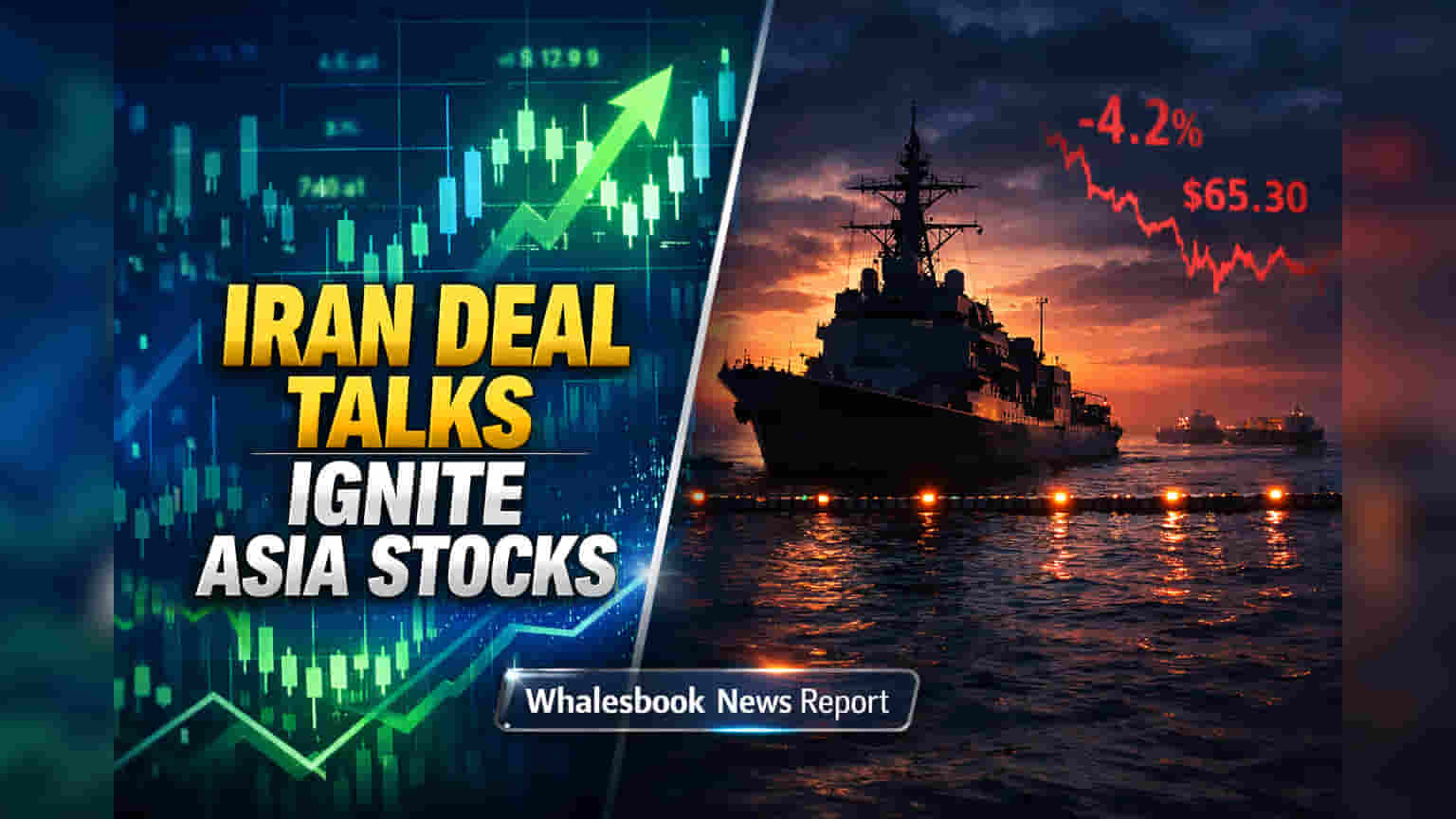


Markets Cheer Iran Diplomacy, But Geopolitical and Earnings Risks Loom
The current market rally, fueled by hopes for de-escalation with Iran, seems to be ignoring the real risks of geopolitical moves. While tech stocks initially led gains and oil prices pulled back from highs, the US naval blockade in the Strait of Hormuz adds significant uncertainty beyond market sentiment.
Geopolitical Shifts Stir Markets
Asian equities generally advanced, with MSCI's Asia-Pacific index climbing 1.1%, mirroring Wall Street's recovery. Investors reacted positively to President Donald Trump's signals of willingness to resume talks with Iran, sparking optimism that reduced tensions could lower oil prices and support global economic growth. Technology sectors led these gains, as markets embraced positive headlines. This optimism pushed the S&P 500 Index up 1%, erasing earlier losses attributed to the Iran conflict. However, these gains face the reality of a US naval blockade of the Strait of Hormuz, vital for about one-fifth of global oil and LNG. Reports indicate at least two tankers have already changed planned routes due to the blockade, showing growing disruptions to key shipping lanes. Brent crude fell to around $96.77 a barrel, while the 10-year Treasury yield eased slightly to 4.28%, reflecting hopes for inflation control that could be quickly undone by sustained supply chain problems.
Earnings Season Starts Cautiously
The first-quarter earnings season has begun with caution, offering an early look at corporate strength amid geopolitical stress. Goldman Sachs Group Inc. shares fell 1.9% after its equity trading revenue beat expectations but couldn't overcome a miss in fixed-income, currency, and commodities (FICC) trading. This performance contrasts with the broader market optimism and signals challenges for the financial sector. Analysts rate Goldman Sachs a 'Hold,' with varied price targets reflecting the uncertainty. JPMorgan Chase & Co. and Wells Fargo & Co. are set to report, with investors watching their results for more signs of the economic impact from higher oil prices and regional instability. JPMorgan Chase currently trades with a P/E ratio around 15.5, while United Airlines Holdings Inc. shows a P/E of approximately 9.29.
Deeper Concerns on Oil, AI Risks
The market's rush to price in a diplomatic fix seems short-sighted given the Strait of Hormuz blockade's real impact. The waterway's effective closure, even if partial, risks sending oil prices soaring, reintroducing global inflation. Analysts at ANZ Bank revised Brent oil forecasts to $88/barrel by year-end but noted volatility, with prices previously exceeding $119. The financial sector also faces evolving systemic risks. US Treasury and Fed officials have warned major banks, like JPMorgan Chase, about cyber threats from advanced AI models, such as Anthropic's Mythos, which could enable complex attacks. This digital vulnerability adds to an industry already dealing with geopolitical uncertainty and FICC trading weakness, as seen in Goldman Sachs' results. The current Brent crude price, down 2.6% today, is still nearly 50% higher than a year ago, indicating an underlying inflationary trend that the blockade could reignite.
Outlook Remains Volatile
While geopolitical headlines often drive short-term market moves, the combination of an active naval blockade, a sensitive earnings season, and emerging cybersecurity threats creates a volatile environment. Analysts advise against trying to "trade" geopolitics, stressing the inherent uncertainties and economic costs of higher oil prices. The Monetary Authority of Singapore tightened policy, highlighting inflation risks from energy shocks despite moderating growth forecasts. Investors face a complex outlook where de-escalation hopes clash with ongoing geopolitical friction and growing tech risks.