 Whalesbook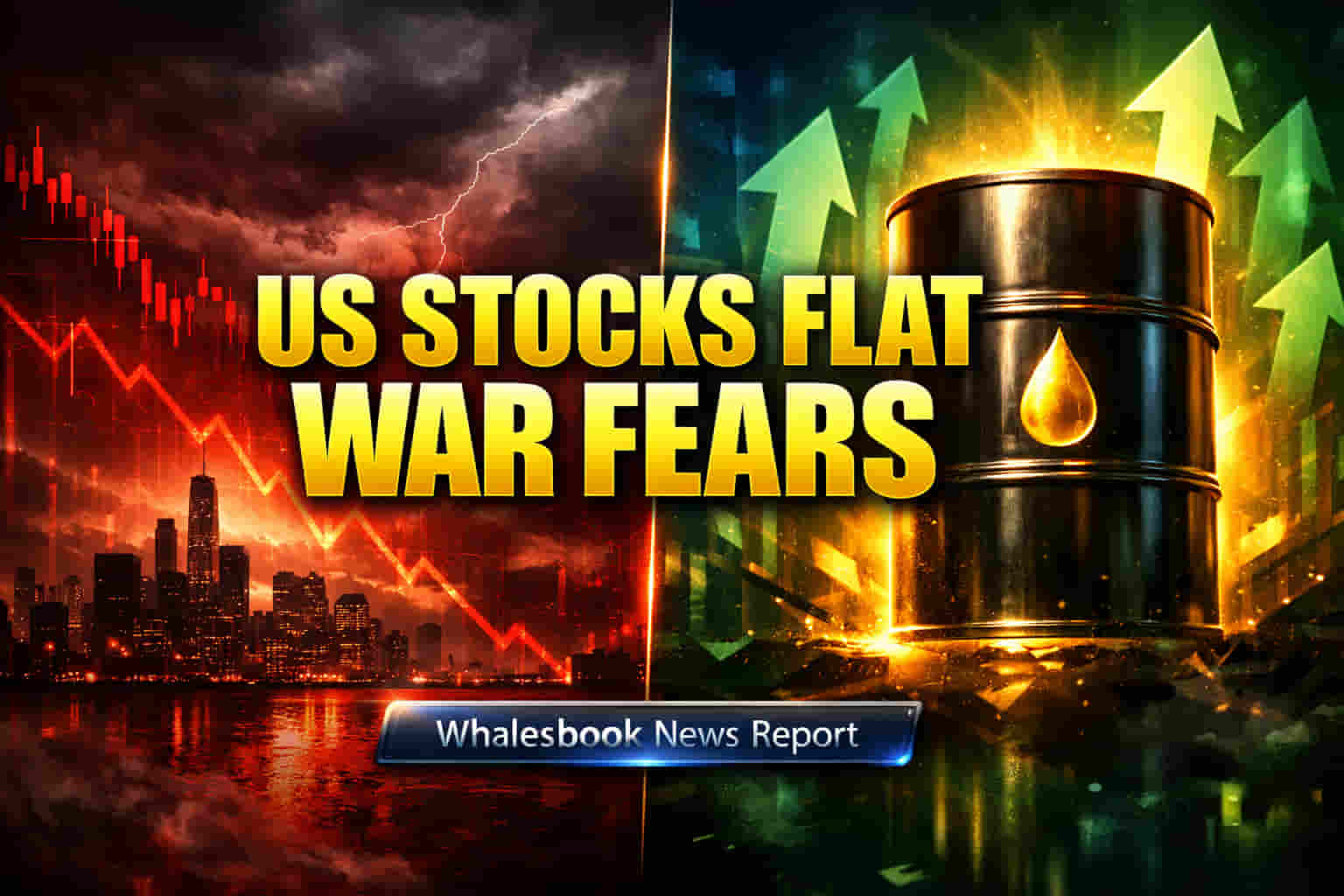


The Muted Reaction to Escalation
United States stock markets concluded a turbulent trading session with negligible net changes, displaying an unusual resilience against a backdrop of escalating geopolitical tensions in the Middle East. This conflict significantly propelled oil prices upward, fueling a notable rally in energy sector equities. These gains provided a crucial counterbalance to declines observed in consumer discretionary segments. However, broader market gauges, including the S&P 500, Nasdaq 100, and Dow Jones Industrial Average, reflected an unexpected calm. Market strategists highlighted a disconnect between rising risk premia and the market's pricing mechanisms, particularly as the S&P 500 currently trades with valuations notably higher than historical averages, suggesting a potential underpricing of current risks.
Underestimated Risks and Sector Divergence
Strategists expressed concern that investors might be underestimating the broader implications of the ongoing conflict. The market's current state, characterized by elevated valuations and increasing stress within credit markets, alongside trends in the artificial intelligence sector, amplifies the potential for complacency. The Cboe Volatility Index experienced an uptick, signaling heightened implied volatilities across asset classes following recent military actions, indicating that derivatives markets are sensing greater uncertainty while the broader equity market has not fully incorporated these risks. Sector-specific movements were pronounced: airlines and cruise operators, highly sensitive to fuel cost fluctuations, suffered sharp declines, while defense contractors and oil producers posted substantial gains, a predictable reaction to geopolitical instability. Marathon Petroleum Corp., a key player in the energy sector, was among the top performers, directly benefiting from the surge in crude oil prices as disruptions impacted tanker traffic through the Strait of Hormuz.
Historical Parallels and Strategic Outlooks
Historical market behavior during comparable geopolitical events and oil price spikes suggests that while energy and defense stocks often see short-term rallies, the broader market typically recovers unless the conflict escalates significantly. This pattern indicates a degree of historical market resilience that could be tested by the confluence of current global hazards. Analysts anticipate a short-term risk-off sentiment but also identify potential buying opportunities for investors with a medium-term horizon. This positive outlook is predicated on oil prices not sustaining levels that would significantly impede the trajectory for U.S. equities.
The Forensic Bear Case
The market's muted response to escalating geopolitical threats and surging oil prices, especially against a backdrop of already elevated valuations, presents a considerable risk. This underlying complacency could be a misleading signal, suggesting investors may not be adequately factoring in the potential for wider conflict, sustained high energy costs, or a broader economic slowdown. Companies in the energy sector, while currently benefiting from higher oil prices, remain susceptible to sector-wide downturns should geopolitical risks translate into sustained demand destruction or widespread economic contraction. Competitors in the energy sector, trading at varied valuations, also face these systemic risks, with their diversified operations potentially offering some resilience. The defense sector, currently favored, could face shifts in government spending priorities with prolonged conflicts. Conversely, sectors like airlines and cruise lines demonstrate the direct negative impact of higher fuel costs and potential travel disruptions, highlighting the vulnerability of industries reliant on stable energy prices and discretionary consumer spending. The market's current equanimity could prove temporary, vulnerable to further shocks that may rapidly reprice risk across all asset classes.
Future Outlook and Consensus
Looking forward, the market's direction will likely depend on the de-escalation or intensification of the Middle East conflict and its direct influence on global energy supply and demand dynamics. Analyst sentiment for the energy sector remains cautiously optimistic due to anticipated sustained high prices, while defense contractors are expected to see continued benefit from geopolitical uncertainty. However, broader market sentiment remains closely tied to inflation data and interest rate expectations, which are inherently influenced by energy costs and geopolitical stability.