

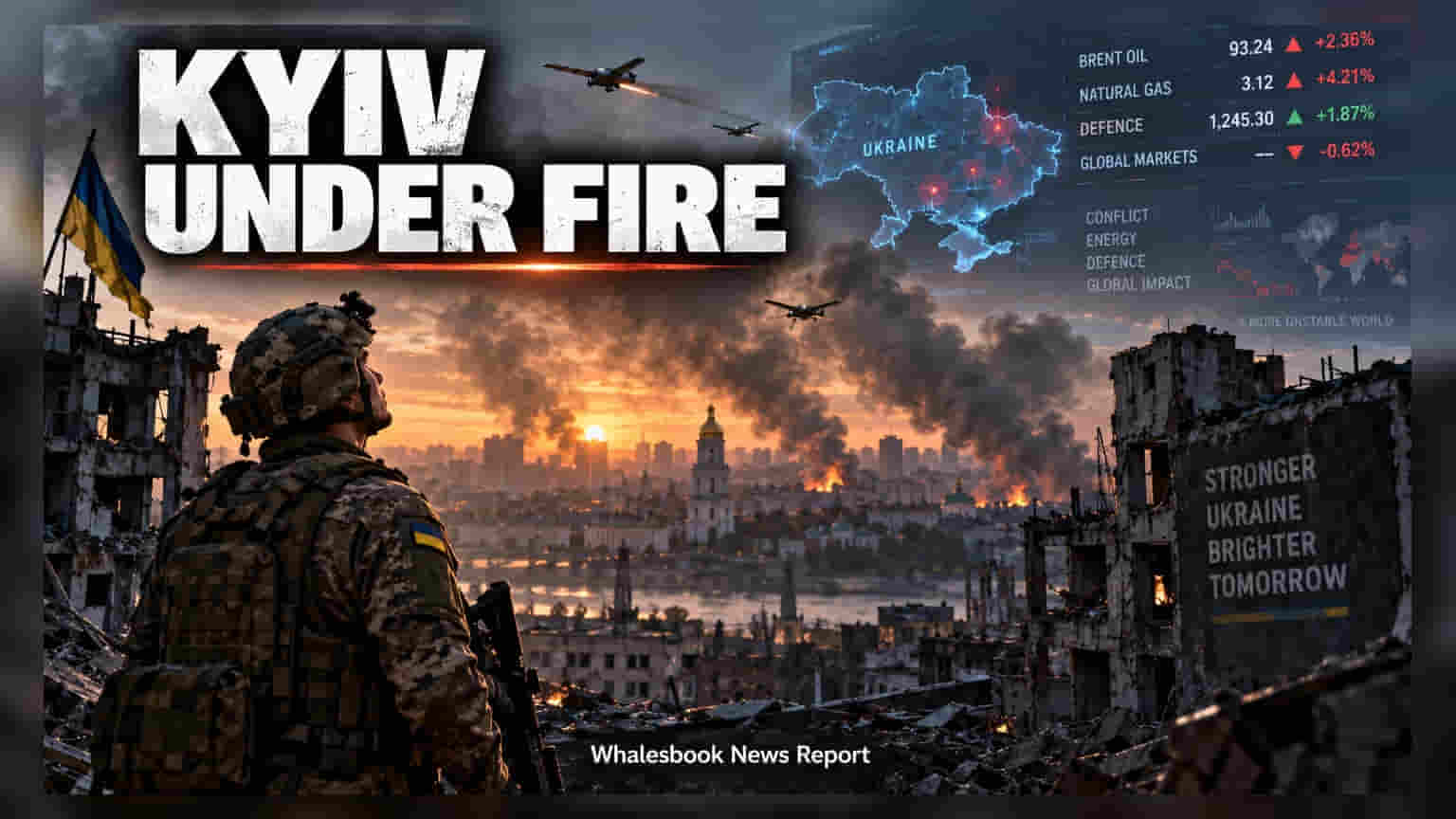
Russian drone strikes on Kyiv have reignited concerns over infrastructure stability and global supply chains. As President Zelenskyy pushes for enhanced air defense support at the UN, investors are monitoring potential impacts on energy prices and the defense sector, which remains sensitive to ongoing geopolitical volatility.
The ongoing conflict in Ukraine has intensified, with Russian drone strikes targeting residential and commercial infrastructure in Kyiv, resulting in at least two fatalities and over 20 injuries. This aerial offensive continues a pattern of strikes aimed at Ukraine’s energy grid and industrial logistics centers, infrastructure that is crucial to the nation's economic stability and supply chain functionality.
For global investors, these developments carry weight regarding the stability of energy markets. Attacks on critical infrastructure often contribute to increased price volatility in energy commodities, as concerns regarding production and supply flow remain a persistent theme. In recent years, regional disruptions have frequently correlated with shifts in crude oil and energy pricing, making the protection of this infrastructure a key factor for market participants to track.
Simultaneously, the diplomatic focus has shifted to the United Nations General Assembly in New York, where President Volodymyr Zelenskyy is engaging with international leaders to secure increased military assistance. The explicit push for additional Patriot air defense systems highlights a sustained global demand for advanced defense technology. This ongoing requirement for defensive hardware continues to influence sector expenditure trends, with defense manufacturers and logistics providers monitoring procurement timelines and international government budget allocations.
Beyond the immediate impact in Kyiv, the conflict is increasingly manifesting as a multi-front risk. Reports of airspace proximity incidents involving NATO-member borders and the sustained targeting of industrial assets, such as oil refineries, reflect the complex nature of the current stalemate. These geopolitical developments contribute to a climate of uncertainty, which often impacts broader market risk appetite.
Investors may continue to track geopolitical updates, particularly any outcomes from international diplomatic forums that could influence defense spending, energy policy, or global supply chain logistics. Market volatility remains a significant factor as the conflict persists, keeping the focus on supply chain resilience and the long-term performance of the global defense industry.