 Whalesbook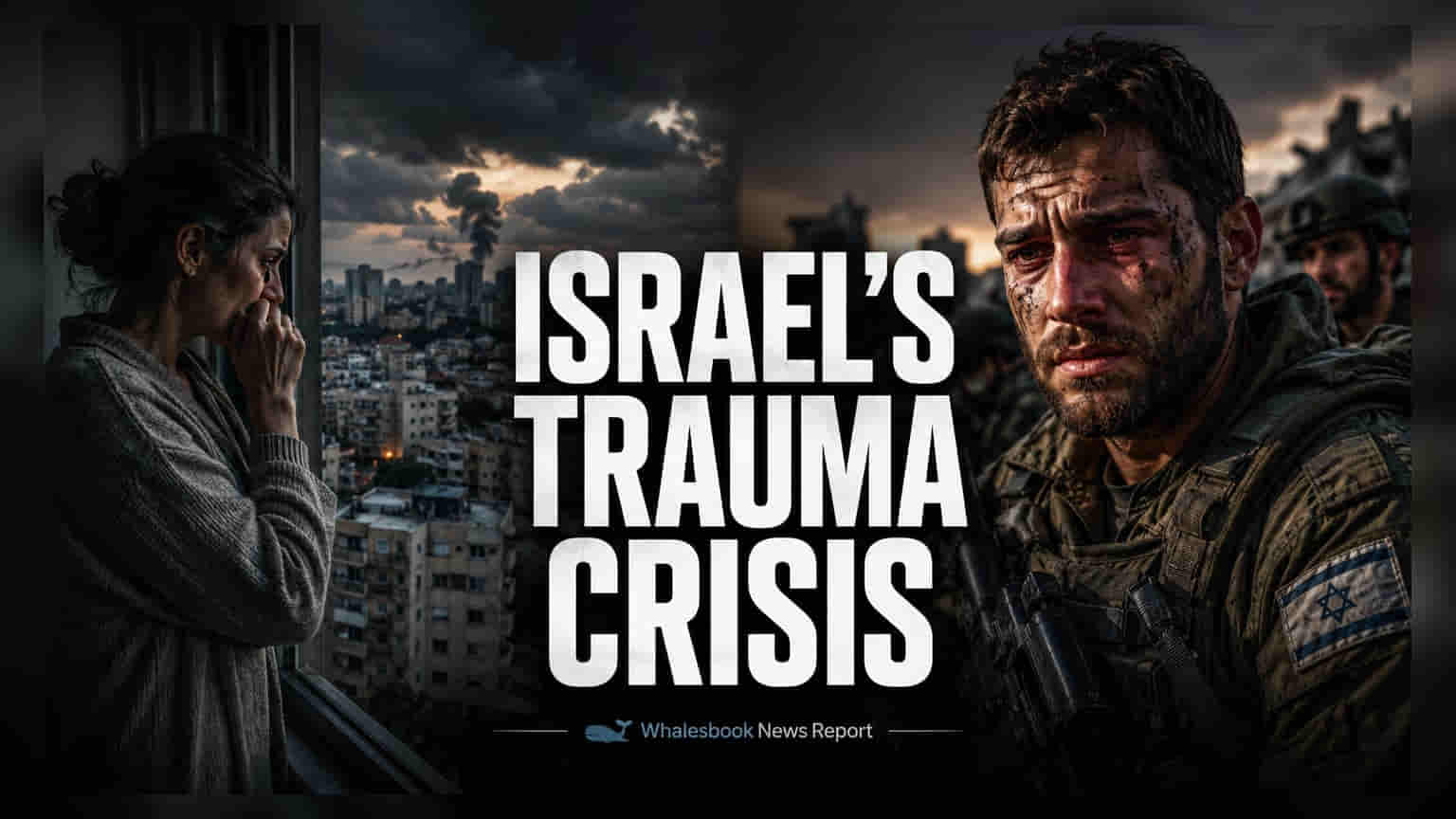


The Economic Burden of Collective Trauma
The ongoing conflict is shifting from a purely geopolitical challenge to a structural economic impediment. As the demand for psychological support saturates public healthcare systems, the resulting strain on the workforce is increasingly visible. When one-third of a nation signals a need for professional support, the long-term impact on labor participation rates, productivity, and healthcare inflation becomes a primary concern for institutional observers. The mobilization of reserves has already created gaps in the civilian economy, but the subsequent psychological toll on these individuals threatens to keep them out of the labor force far longer than the duration of their active service.
The Institutional Trust Deficit
Beyond individual health metrics, the erosion of trust in state institutions presents a significant risk to policy implementation and market stability. Historically, periods of high national anxiety are often accompanied by shifts in domestic policy and voting patterns, which can introduce volatility into fiscal priorities. Recent polling data indicates that younger demographics are increasingly pivoting toward ideological extremes, a trend that often precedes prolonged political gridlock. This fracturing of the social contract makes long-term economic planning increasingly difficult, as the domestic consensus required for major structural reforms continues to weaken.
The Forensic Risk Perspective
From a risk-mitigation standpoint, the lack of transparency regarding military medical discharges remains a critical opaque variable. While the defense sector continues to receive substantial budget allocations, the efficiency of this spending is under scrutiny due to the rising costs of long-term disability and mental health rehabilitation. The projection that PTSD cases among combat personnel could climb by 180 percent within the next few years suggests an impending surge in public spending requirements. This potential fiscal pressure, combined with the documented surge in emergency service calls, forces a conversation about the sustainability of current domestic funding models. Unlike historical conflicts where the economic aftermath was confined to physical infrastructure damage, this crisis is characterized by the depletion of human capital, an intangible but essential driver of economic health.
Future Trajectories
Projections from medical authorities suggest that the mental health burden is not a transient byproduct of active hostilities but a multi-year challenge. As the nation grapples with this psychological exhaustion, the ability of both the public and private sectors to absorb these costs without compromising operational output will be tested. Future stability will likely depend on the government’s capacity to integrate mental health infrastructure into the core of its economic policy, rather than treating it as an auxiliary societal cost. Investors and observers remain cautious, monitoring whether these demographic pressures lead to a more insular policy environment or if systemic reforms can stabilize the prevailing volatility in institutional trust.