

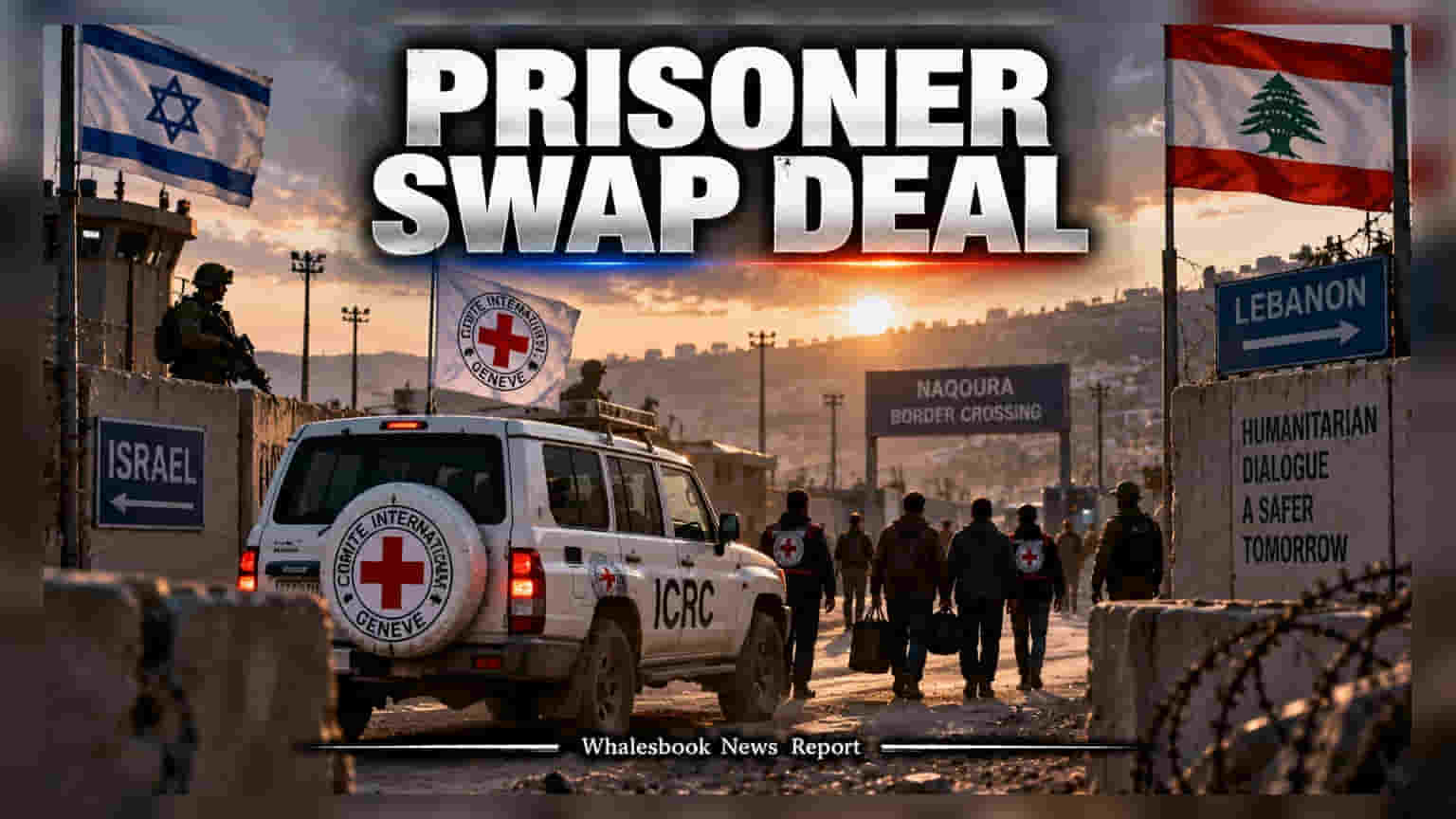
Israel has released five Lebanese civilians as part of a US-mediated deal to recover remains from the 1980s civil war. While this marks a rare diplomatic gesture, regional hostilities between Israel and Hezbollah continue. Investors monitor these geopolitical developments, as shifts in Middle East stability can influence global market sentiment and risk perception.
In a notable diplomatic development, Israel released five Lebanese civilians to the International Committee of the Red Cross on September 4, 2026. The exchange took place at the Naqoura border crossing, marking a rare moment of cooperation between the two nations, which currently lack formal diplomatic relations. This release follows a US-mediated agreement, under which Lebanon has committed to assisting in the recovery of the remains of Jewish Lebanese community leaders who went missing during the Lebanese Civil War in the 1980s.
A Diplomatic Opening in Regional Conflict
The humanitarian nature of this exchange highlights a specific, narrow channel of communication that persists despite the broader, ongoing conflict. The Israeli Prime Minister’s office confirmed that the individuals released were civilians and not affiliated with Hezbollah, the militant group that operates independently within southern Lebanon. This distinction is crucial, as it separates this humanitarian gesture from the active military hostilities that have escalated since early March. While the return of the missing individuals' remains serves as a symbolic and emotional closure for the families involved, it does not currently signal a shift in the underlying territorial or security disputes that have kept the region in a state of high tension.
Investor Implications of Regional Instability
For investors, events in the Middle East are closely monitored as potential indicators of geopolitical risk. The ongoing conflict between Israel and Hezbollah remains a significant factor that influences global energy markets and risk appetite. When regional volatility increases, it can lead to uncertainty in supply chains and a rise in risk premiums for assets exposed to Middle East trade or operations. While this prisoner exchange is a positive humanitarian step, the diplomatic impasse regarding territorial withdrawal and the disarmament of militant groups remains unresolved.
Market participants often view such diplomatic moves as a test of whether broader negotiations can gain traction. The upcoming talks in Rome are expected to address these deeper security issues, including the management of the border region. Until a sustainable ceasefire or long-term diplomatic framework is established, the risk of escalation persists. The primary focus for global observers will be whether this humanitarian cooperation can create a foundation for more substantive talks, or if it will remain an isolated event in a region that continues to face significant security challenges.