 Whalesbook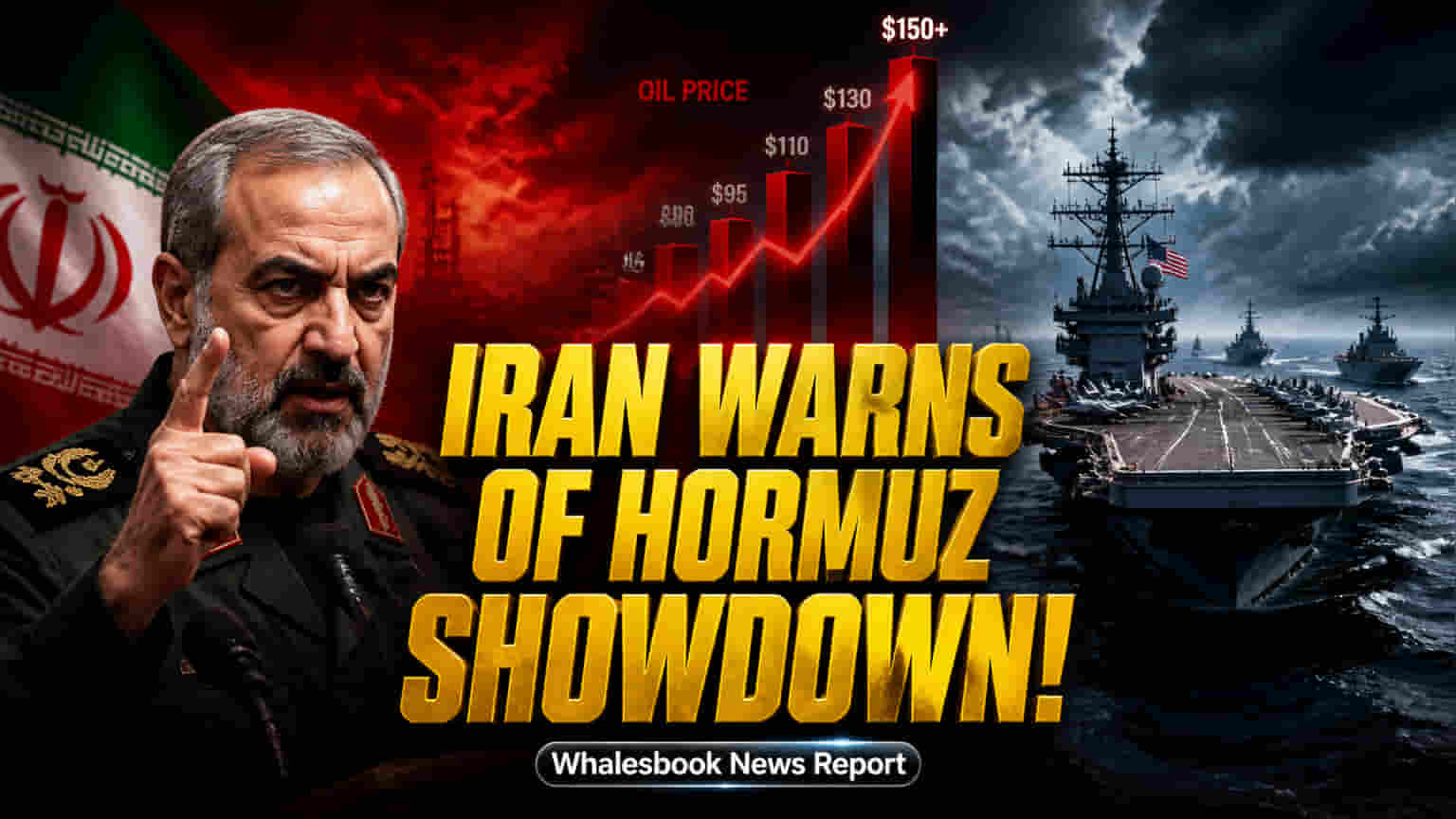


Iran's chief negotiator has declared the country has "not even started" its actions in the Strait of Hormuz, significantly raising geopolitical tensions. This warning directly challenges maritime security and signals Tehran's bid for greater control over the vital global energy waterway. Markets reacted swiftly, showing how such rhetoric can immediately impact energy prices and shipping.
Escalating Rhetoric and Market Volatility
The statement from Mohammad Bagher Ghalibaf, Iran's chief negotiator, delivered via social media, suggests a move toward more assertive actions in the Strait of Hormuz. This comes as the U.S. Navy works to ensure safe passage, following earlier successful transits by U.S.-flagged ships. Iran's ongoing threats and its talk of allies' diminishing "malign presence" show a continued push to challenge control. Oil prices reacted sharply. Brent crude futures surged, at times nearing $110-$126 per barrel, driven by fears of extended supply disruptions. This price volatility reflects the significant geopolitical risk now built into energy markets. The situation has been described as the "largest supply disruption in the history of the global oil market."
Geopolitics, Energy, and Defense Sectors
The Strait of Hormuz is a critical global energy artery, handling about 20% of the world's seaborne oil trade. Any disruption here is a major event, and analysts warn a prolonged closure could drive Brent crude prices to $150 per barrel. These geopolitical risks increase costs for the shipping industry, including higher insurance and longer routes, impacting freight rates. Meanwhile, the defense sector benefits from rising global instability. Increased military spending, fueled by conflicts in the Middle East and Ukraine, is leading to substantial government investment and strong order books for defense companies. Businesses focused on advanced technologies, command systems, and munitions are seeing significant revenue growth, with defense budgets projected to exceed $1 trillion by 2026. Depleted munitions stockpiles globally also require increased production.
Broader Economic Consequences and Risks
Beyond defense, the economic consequences of Strait of Hormuz disruptions are severe. The tensions are called the "largest global energy security challenge in history" and have been blamed for a "systemic collapse of the Gulf Cooperation Council economic model." Supply disruptions and price hikes are also affecting markets for aluminum, fertilizer, and helium. For the global economy, sustained high energy prices risk reigniting inflation, complicating efforts to control interest rates, and raising the possibility of stagflation and recession. Emerging markets that import goods are especially vulnerable, facing weaker trade balances and currency devaluation. The shipping industry also faces growing regulatory risks, with 40% of respondents in a survey citing legislation as a major concern for 2026, potentially outweighing cybersecurity and AI risks. Supply chain disruptions can quickly spread, challenging existing risk management strategies.
Future Outlook
These escalations suggest a new reality where geopolitical risk is a permanent factor for business strategies and financial markets, not a temporary issue. The Strait of Hormuz acts as a direct link between regional conflicts and the global economy. Unless tensions de-escalate and a resolution is found, expect continued market premiums for energy, shipping, and safe assets, creating ongoing challenges for global trade and economic stability.