

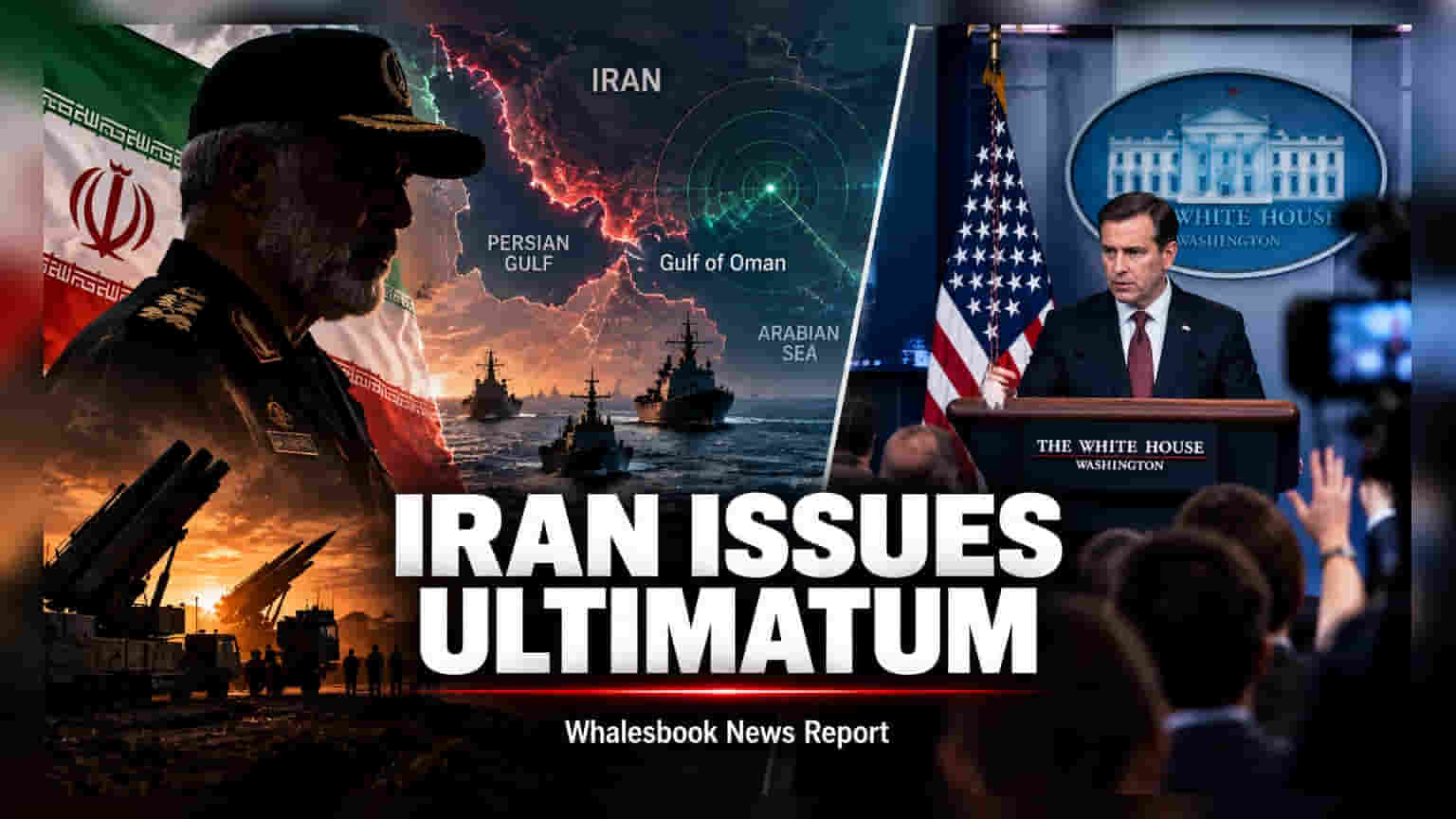
Iran has presented seven conditions to the US, warning of military escalation if terms regarding frozen assets and trade blockades remain unmet. This geopolitical standoff is important for Indian investors due to its potential impact on global crude oil prices, shipping costs, and overall market sentiment.
Tehran has formally shared seven demands with the United States through Qatari mediators, marking a tense period in regional relations. The Iranian leadership, including officials from the Supreme National Security Council, has stated that these conditions are final. The core requests include an immediate stop to hostilities, the release of frozen Iranian financial assets, and the lifting of maritime blockades that currently restrict the country's trade routes.
While Iranian officials emphasized these diplomatic demands, they also issued a warning that failure to meet these terms could lead to a decisive military engagement. The regional military strategy is reportedly focusing on naval assets, specifically monitoring deployments from the Persian Gulf through the Gulf of Oman and into the Arabian Sea. Iranian authorities have also stated that any retaliation could extend beyond localized conflicts, potentially targeting regional bases or other strategic interests in the area.
For Indian investors, geopolitical friction in the Middle East often carries direct economic implications. The most significant monitorable is the impact on global crude oil prices. India is a major importer of crude oil, and heightened tensions in the Persian Gulf—a critical global energy artery—frequently lead to price volatility in the energy markets. If oil prices rise due to supply concerns, it typically increases the import bill for India, puts pressure on the Indian Rupee, and can negatively impact the profit margins of Oil Marketing Companies, as well as airline and logistics sectors that rely on fuel.
Beyond crude oil, the warning regarding maritime blockades is relevant for global supply chains. The region surrounding the Persian Gulf is essential for global trade. Any disruption or threat to shipping lanes in this area can lead to increased freight costs and insurance premiums, which directly affect import and export businesses. Historically, market sentiment in India tends to turn risk-averse during such periods, often leading to increased volatility in the broader stock indices.
While Iran has confirmed that its nuclear policy remains unchanged and it continues to adhere to existing international treaties, the regime has cautioned that continued external pressure could lead to a re-evaluation of its current stance. Investors will likely watch for developments in the diplomatic talks facilitated by mediators such as Qatar and Pakistan, as well as the movement in Brent crude prices when markets react to these updates. The primary focus for the coming days will remain on whether these negotiations lead to a de-escalation or if the rhetoric continues to heighten market uncertainty.