

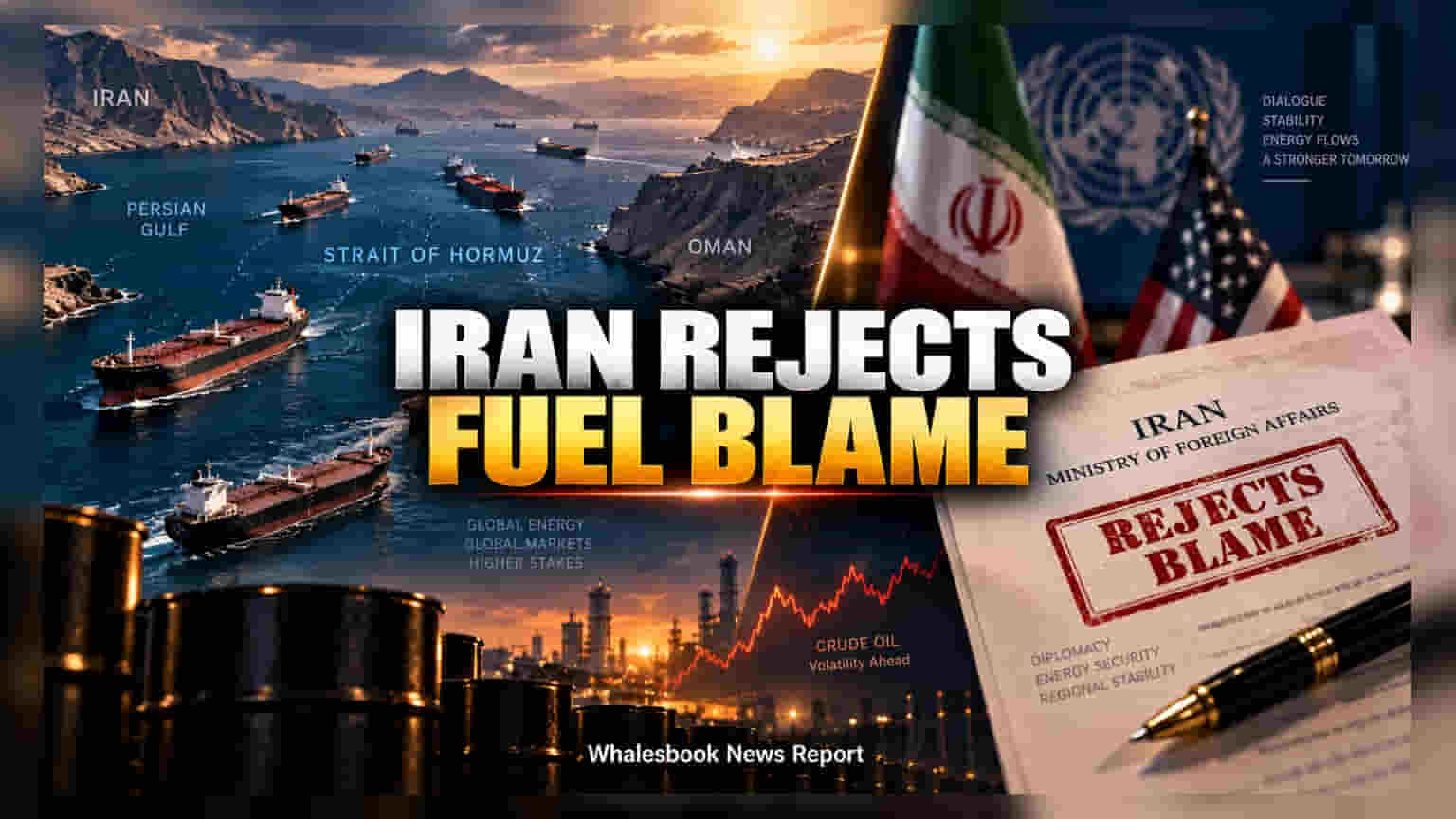
Iran has rejected US allegations linking it to recent global fuel price hikes and shipping disruptions. For Indian investors, this diplomatic standoff is significant as it highlights potential risks to oil supply chains via the Strait of Hormuz. Any escalation in this region could pressure global crude oil prices, potentially impacting India’s import bill, domestic inflation, and the value of the Rupee.
The Iranian Foreign Ministry has officially dismissed accusations from the United States regarding its role in global fuel price volatility. This diplomatic disagreement comes just before President Masoud Pezeshkian’s address at the 81st session of the United Nations General Assembly in New York. Tehran has characterized the American narrative as an attempt to shift blame, arguing that Washington’s own policy decisions are responsible for instability in key trade routes.
The Strait of Hormuz and Energy Markets
The core investor concern in this dispute centers on the Strait of Hormuz. This narrow waterway is one of the world’s most critical chokepoints for oil transportation. A significant portion of global crude oil production passes through this strait daily. When geopolitical tensions rise in this area, global markets often react with uncertainty, which can lead to rapid price swings in crude oil futures. For an energy-importing nation like India, which relies on imports for over 85% of its crude oil requirements, stability in this region is essential for economic planning.
Impact on the Indian Economy
For Indian investors, the direct link between global oil prices and the domestic economy is strong. Higher crude prices generally increase the country’s import bill, which puts pressure on the Current Account Deficit. This can lead to a weaker Rupee, as more foreign currency is required to pay for energy imports. Furthermore, sustained high oil prices often filter through to inflation in the broader economy, as logistics and transportation costs rise. This may force the Reserve Bank of India to maintain tighter monetary policies, which impacts interest rates and borrowing costs for companies.
Sector-Specific Considerations
Different sectors in the Indian market respond to these geopolitical risks in varying ways. Oil Marketing Companies (OMCs) often face challenges when crude prices rise, as their marketing margins on petrol and diesel can be squeezed if retail prices are not adjusted accordingly. On the other hand, sectors that are heavily dependent on oil derivatives—such as paints, tyres, aviation, and chemicals—often see their operating profit margins contract when raw material costs spike. Conversely, upstream oil exploration companies may benefit from higher crude prices, as their realisations tend to increase.
The most specific update investors may track in the coming days includes movements in Brent crude prices and any further statements from the ongoing UN General Assembly summit. Monitoring how these geopolitical developments translate into oil supply data and global price trends will be key to understanding the potential impact on Indian markets.