 Whalesbook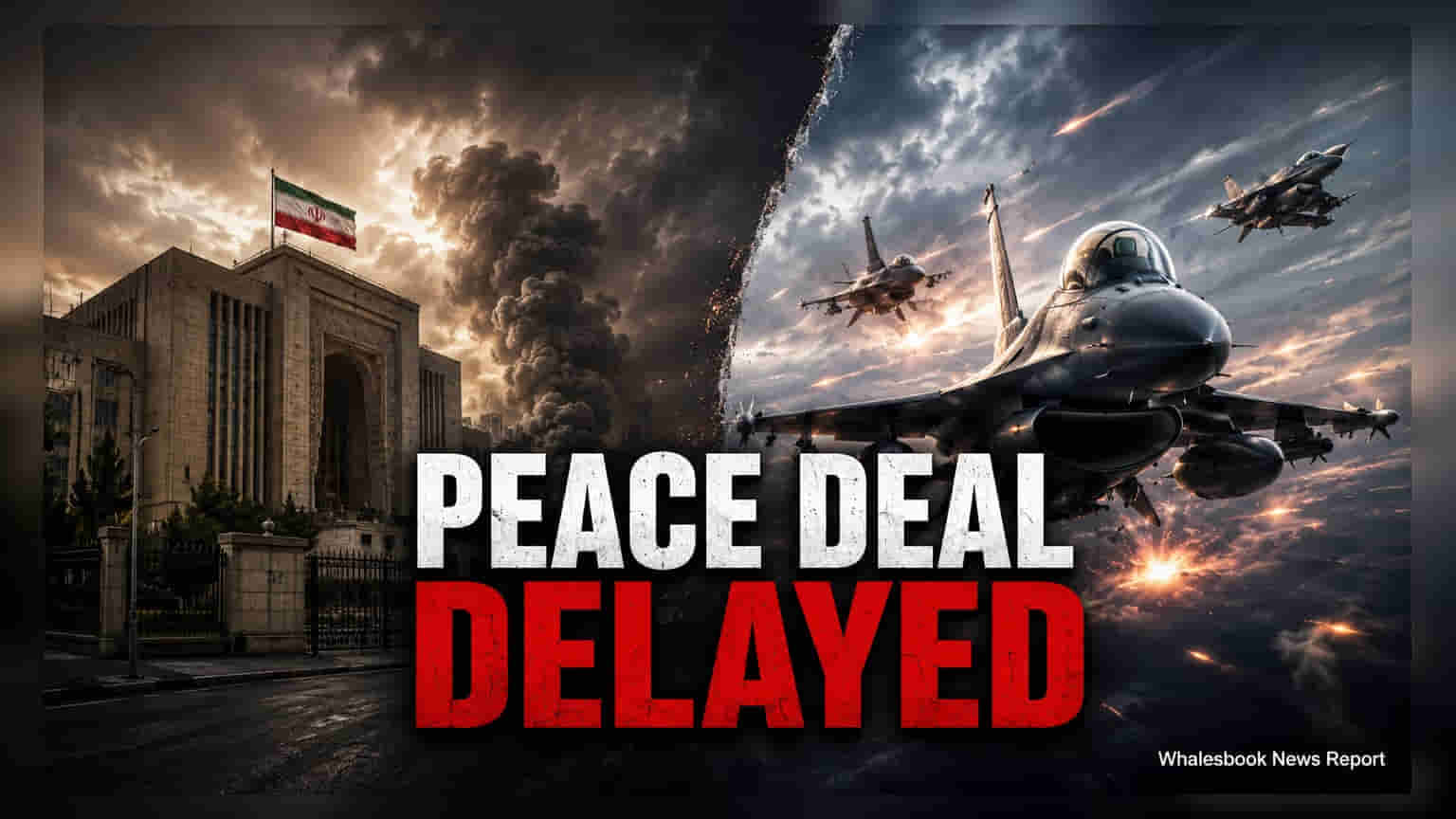


The Geopolitical Impasse
Recent kinetic engagements between the United States and Iran have effectively paralyzed the diplomatic channels intended to stabilize the Persian Gulf. By explicitly tethering the prospect of a broader bilateral understanding to a total cessation of hostilities in Lebanon, Tehran has introduced a regional variable that Washington appears ill-equipped to manage. The rhetoric from the Iranian Foreign Ministry serves as a tactical hardening of their position, intended to pressure the current US administration into concessions that extend far beyond the narrow scope of nuclear containment.
Kinetic Risks and Market Volatility
The weekend strikes conducted by US Central Command against infrastructure in Goruk and Qeshm Island represent a significant escalation from shadow warfare to direct, public confrontation. Targeting radar and command-and-control assets forces a shift in the local operational dynamic. While crude oil markets often react sharply to such regional instability, the volatility here is compounded by the lack of clarity regarding the status of frozen assets. The inclusion of asset-unfreezing clauses within the draft memorandum of understanding acts as a primary friction point. If these negotiations collapse, the removal of potential Iranian supply from global markets could trigger an immediate supply-side crunch, complicating central bank efforts to manage energy-led inflation.
The Structural Bear Case
Investment sentiment remains heavily discounted regarding a breakthrough, primarily due to the inconsistent messaging emanating from both capitals. The US administration’s domestic political requirements—specifically maintaining a hardline stance on non-proliferation—are diametrically opposed to the economic survival needs of the Iranian regime. A cynical view of the current process suggests that both parties are engaged in a performative exchange of text amendments to appease international observers while simultaneously preparing for a long-term containment scenario. The repeated focus on drone downings and retaliatory air strikes indicates that the military-industrial friction currently outweighs the diplomatic momentum, creating a high-probability environment for prolonged, low-level conflict rather than a definitive de-escalation.
Future Trajectory
Looking ahead, the market is pricing in a high risk of diplomatic failure. Analysts suggest that the absence of direct nuclear dialogue between the two nations indicates that the current framework is structurally insufficient to address the core security demands of either side. Until a formal ceasefire is established in the Mediterranean theater, or a compromise on the frozen asset release is secured, the diplomatic bridge remains largely theoretical. Participants should prepare for continued regional instability, as the interplay between drone warfare and nuclear posturing limits the upside for any meaningful diplomatic rapprochement in the near term.