Market Reaction to U.S.-Iran Signals
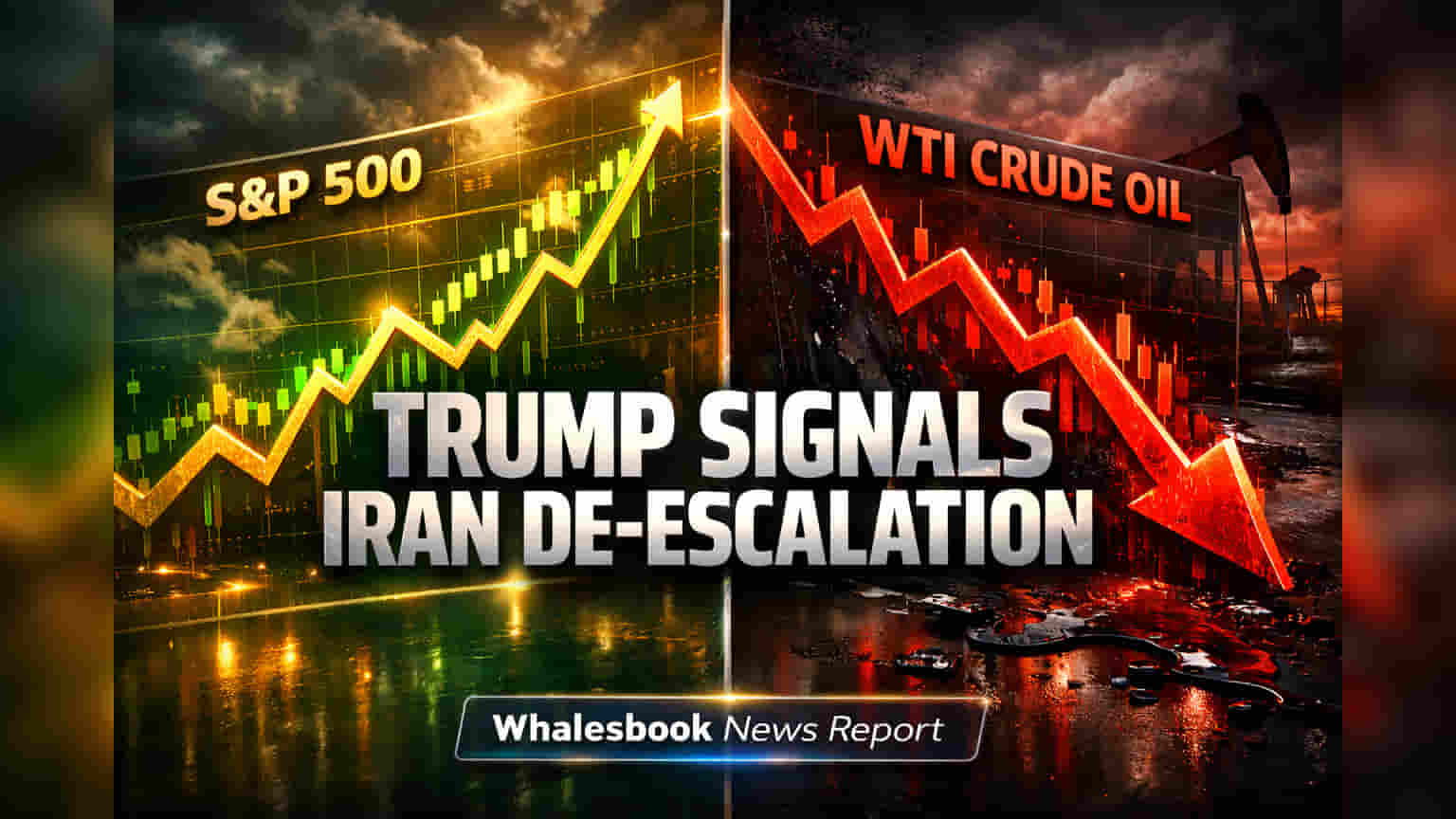
Global markets faced uncertainty as mixed signals emerged regarding U.S. military actions toward Iran. President Trump's suggestion of a willingness to end military campaigns, seen as a potential de-escalation, provided a temporary boost to stocks and other riskier investments. S&P 500 futures reversed earlier losses, climbing by 1% as investor sentiment shifted towards cautious optimism. Conversely, West Texas Intermediate crude oil, which had earlier surged on fears about geopolitical conflict, saw its gains temper, slipping by 1.6% to $101.25 a barrel as immediate threat perceptions fluctuated. The 10-year Treasury yield also declined three basis points to 4.32%, as investors adjusted their inflation outlook following these developments and earlier remarks by Federal Reserve Chair Jerome Powell.
Hormuz Risks and Energy Prices
The market's reaction highlights a careful balance between perceived diplomatic progress and entrenched geopolitical risks. Historically, disruptions to the Strait of Hormuz, a key route for approximately 20% of global oil supply, have caused sharp price increases. The current crisis resembles the 1970s energy crisis, with oil prices experiencing unprecedented monthly surges in March 2026, when Brent crude neared $120 a barrel at its peak. S&P Global Ratings raised its 2026 oil price forecasts, citing expected long-term disruptions. This environment has created a clear difference in sector performance; while defense stocks like Lockheed Martin and RTX surged on increased military spending expectations, benefiting from strong order backlogs and higher valuations, the broader energy sector remains tied to the shifting geopolitical situation. Analysts predict Brent crude will stay high, possibly between $95 and $115 a barrel through the second quarter of 2026, largely due to the Strait of Hormuz situation. This ongoing energy price pressure adds to inflation worries, prompting the IMF to warn of a global economy facing higher prices and slower growth. Treasury yields are particularly sensitive. Rising inflation fears and the prospect of longer military campaigns increase expectations that central banks will delay easing monetary policy.
Lingering Geopolitical Uncertainty
Despite immediate market relief from perceived diplomatic shifts, underlying risks remain, making any market rally fragile. The uncertain U.S. policy towards Iran, marked by President Trump's shifting public statements, keeps markets guessing. This uncertainty leaves markets open to sharp reversals. For example, conflicting reports on March 30, 2026, sent oil and stock prices on a volatile ride. The Strait of Hormuz remains a critical vulnerability. Even a 'soft' closure, due to higher insurance costs and operational risks, can disrupt millions of barrels of oil daily and has already stranded significant cargo. This uncertainty directly affects inflation expectations. It could force central banks to keep interest rates high longer, dampening economic growth and raising the risk of stagflation. Data from Goldman Sachs shows some funds are showing signs of capitulation. Systematic investors, like commodity trading advisors (CTAs), are struggling with abrupt market swings. This suggests that while some investors might 'buy the rumor' of de-escalation, underlying vulnerabilities and policy uncertainties pose significant downside risk.
Outlook: Continued Oil Market Volatility
Analysts expect oil markets to remain volatile through the second quarter of 2026, with prices likely to stay near $100 a barrel, heavily dependent on how long disruptions in the Strait of Hormuz last. While a diplomatic breakthrough could quickly remove the geopolitical risk premium and lower oil prices, current conditions suggest ongoing supply concerns and higher energy costs are likely. The International Energy Agency calls the current situation the biggest global energy security challenge in history, highlighting the potential for long-term market instability. Market outlooks are split. Prices could stay above $115 if disruptions continue, or fall to around $50 if the region stabilizes. However, current sentiment and geopolitical pressures suggest higher prices are the more immediate concern for traders.
Iran Tensions Hit Oil, Stocks; Markets Split on De-escalation
WORLD-AFFAIRS
Overview
Global markets swung wildly after President Trump hinted at de-escalating tensions with Iran. S&P 500 futures briefly jumped as traders bet on peace. But West Texas Intermediate crude oil prices fluctuated sharply, showing worries about the Strait of Hormuz. Mixed signals create market uncertainty, with energy supply risks and inflation fears still pressing down on investors.
Disclaimer:This content
is for informational purposes only and does not constitute financial or investment advice. Readers
should consult a SEBI-registered advisor before making decisions. Investments are subject to market
risks, and past performance does not guarantee future results. The publisher and authors are not liable
for any losses. Accuracy and completeness are not guaranteed, and views expressed may not reflect the
publication’s editorial stance.