 Whalesbook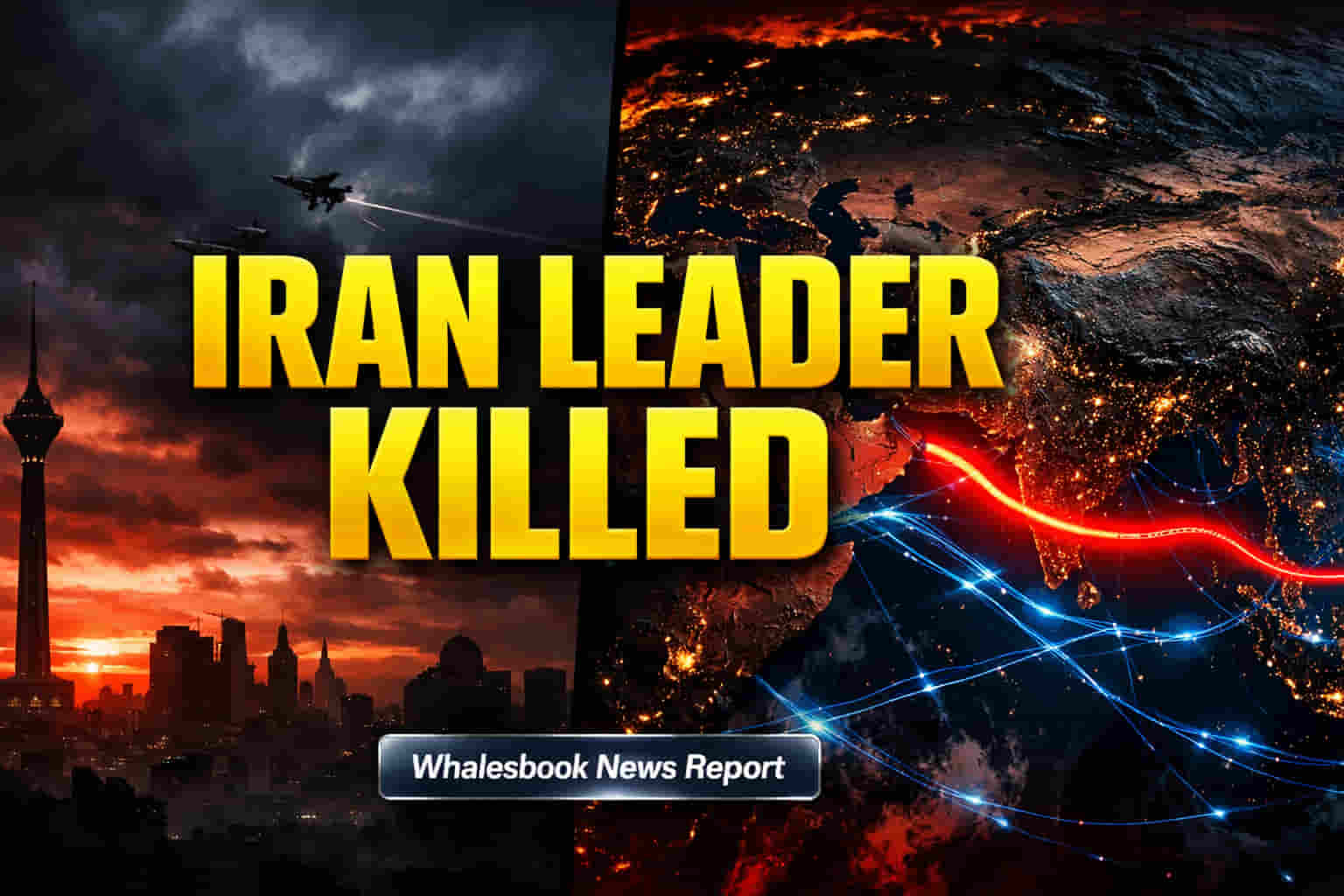


THE SEAMLESS LINK
This strike represents a stark pivot in Middle Eastern dynamics, moving the focus from protracted nuclear negotiations to the volatile prospects of Iran's internal power transition. The market's reaction underscores a critical shift, prioritizing immediate geopolitical risk and its tangible economic consequences over the more predictable, albeit persistent, nuclear threat. The immediate surge in oil prices and defensive asset demand reflects a calculated move to price in escalating uncertainty.
Energy Markets Brace for Disruption
The elimination of Iran's top leadership has immediately translated into a significant risk premium across global energy markets. Crude oil prices have surged, with Brent crude reaching a seven-month high [8]. Analysts warn that severe disruptions to transit through the Strait of Hormuz, through which approximately 20% of global seaborne crude and LNG passes, could push oil prices toward $90-$100 per barrel [8]. Historically, conflicts in the Middle East have been major catalysts for oil price spikes; the 1979 Iranian Revolution alone saw prices more than double [11]. This renewed instability threatens to exacerbate inflation concerns, as higher energy costs directly impact transportation and production expenses [8]. Even limited regional conflicts have historically triggered 10-15% oil price rallies within days [24].
Defense Sector Sees Renewed Interest
Aerospace and defense stocks are experiencing a notable uplift, a common market reaction to escalating geopolitical tensions [2, 3, 16]. Companies like BEL have seen recent gains, although the overall performance of the sector is mixed, with some major players like HAL and BDL experiencing declines in the short term [3, 12]. Analysts caution that while geopolitical events can drive temporary rallies, the sustainability of these gains hinges on the conversion of anticipated demand into concrete, long-term contracts and procurement cycles [2, 3]. The defense industry's business model is also evolving, with some parts resembling subscription services, shifting focus from war headlines to earnings durability [12].
Flight to Safety Amid Volatility
In response to the heightened uncertainty, investors are flocking to traditional safe-haven assets. Gold prices have neared record levels, with spot gold trading around $5,004 per ounce [26]. The U.S. dollar has also shown strength, as is typical during periods of global risk aversion [5, 28]. This flight to safety is compounded by algorithmic trading systems that process geopolitical news within milliseconds, immediately adjusting risk models and executing sell orders, leading to sharp, rapid market swings [14]. The VIX index, a measure of market fear, is expected to climb significantly as these algorithms price in heightened uncertainty [14, 28]. Equity markets experienced an average one-day loss of 1.1% at the onset of previous geopolitical events, though they have historically recovered within a year [20, 21].
The Forensic Bear Case
The elimination of Iran's leadership, while a significant blow to the clerical establishment, introduces profound instability. Washington and Tel Aviv face the challenge of a power vacuum, potentially fostering factionalism and regional violence, reminiscent of historical interventions [Source A, News1]. While President Trump claimed Iran's nuclear program was "obliterated" in June 2025, U.S. intelligence reports and other assessments suggest the program was only significantly degraded, with claims of "total obliteration" being contested [6, 36]. The immediate focus shift to regime change, rather than a clearly articulated post-strike strategy for Iran's governance, heightens the risk of prolonged regional conflict. Iran's proxies, though weakened, remain formidable [Source A]. Furthermore, the sheer scale of internal crackdowns, with activist estimates of over 7,000 killed by early 2026, indicates a regime willing to employ extreme brutality, suggesting a potentially chaotic and violent transition [15, 27]. A severe disruption of oil supply from the Strait of Hormuz could push prices to $100 per barrel, contributing significantly to global inflation and potentially impacting global growth rates [8, 11].
Future Outlook
Analysts anticipate continued market volatility as the geopolitical situation evolves. The energy sector is expected to remain sensitive to any further escalation or diplomatic breakthroughs. Defense stocks may see sustained interest, contingent on the realization of new defense budgets and contracts. Investors are urged to monitor developments closely, particularly regarding the potential for sustained supply disruptions in the Middle East and their inflationary consequences. The long-term market impact will depend on the emergence of a stable political order in Iran and the extent to which regional tensions can be de-escalated through diplomacy rather than further military action.