

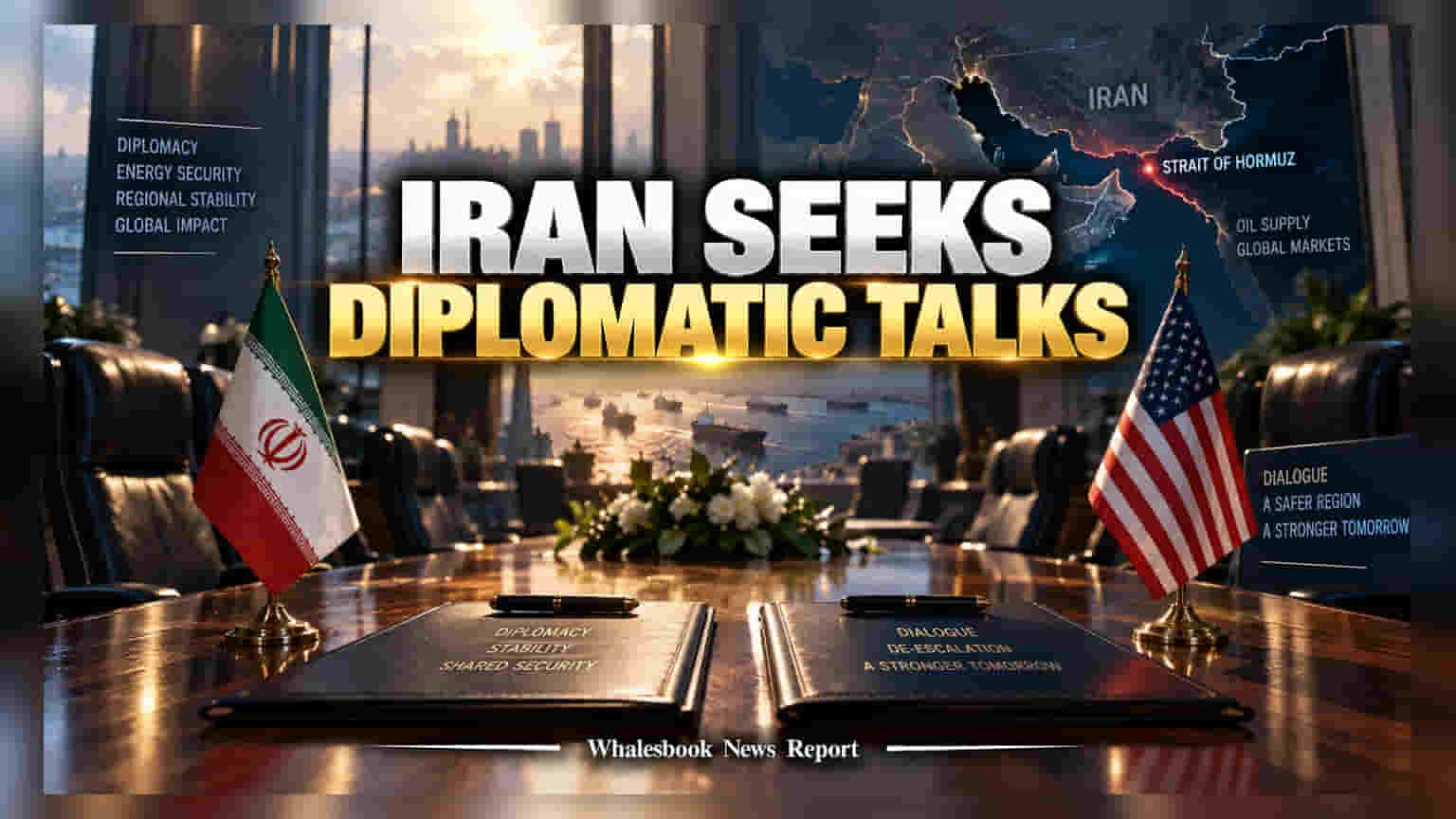
Iranian President Masoud Pezeshkian has signaled a conditional willingness to resume talks with the US, aiming to revive a collapsed June memorandum. For investors, this development is critical due to the potential impact on global oil prices and maritime shipping routes through the Strait of Hormuz, which remain key variables for energy markets.
Iranian President Masoud Pezeshkian has publicly stated his administration's readiness to re-engage in diplomatic negotiations with the United States. This signal comes with a specific condition: Washington must return to the terms of a memorandum of understanding (MOU) agreed upon in June, which was intended to de-escalate hostilities between the two nations. However, the path to a potential diplomatic breakthrough remains complex and uncertain given the lack of direct communication channels and the ongoing cycle of military confrontations.
The Geopolitical and Economic Context
For investors and global market observers, the primary area of focus is not the diplomatic rhetoric itself, but the tangible risks to the global energy supply chain. The ongoing friction between Tehran and Washington has historically led to volatility in crude oil prices, which directly impacts the input costs for many Indian industries, particularly those in the oil marketing, paint, and chemical sectors.
One of the most critical monitorables is the situation regarding the Strait of Hormuz. This narrow waterway is a vital chokepoint for global oil transit. Any disruption or threat to shipping in this region typically causes an immediate reaction in global energy markets. While the President’s statement attempts to signal a desire for stability, the operational reality on the ground is complicated by the presence of the Islamic Revolutionary Guard Corps (IRGC). The divergence between the civilian government's diplomatic messaging and the tactical decisions made by the military leadership remains a significant risk factor for any sustained de-escalation.
Market and Investor Implications
As of September 2026, there are no active direct talks between the two countries, and the June MOU remains effectively frozen due to mutual accusations of non-compliance. The current environment is characterized by intense economic pressure and a naval blockade, which continues to limit the scope for rapid economic integration or relief for Iran.
Investors should note that while this news represents a potential shift in the diplomatic tone, it does not immediately alleviate the geopolitical risk premium currently embedded in energy prices. The lack of concrete, verifiable progress means that the risk of further military escalation remains present. For the Indian market, this means that oil prices will likely remain sensitive to any updates from the Middle East. If tensions continue to fluctuate, energy stocks and companies with high sensitivity to global commodity prices may continue to experience volatility.
Looking ahead, the market will likely ignore speculative rhetoric and wait for verified signs of de-escalation, such as the resumption of official back-channel communications or a measurable reduction in naval activity near key transit routes. Until such time as there is a clear, verifiable change in the status quo, the geopolitical risk premium in the energy sector is likely to persist.