

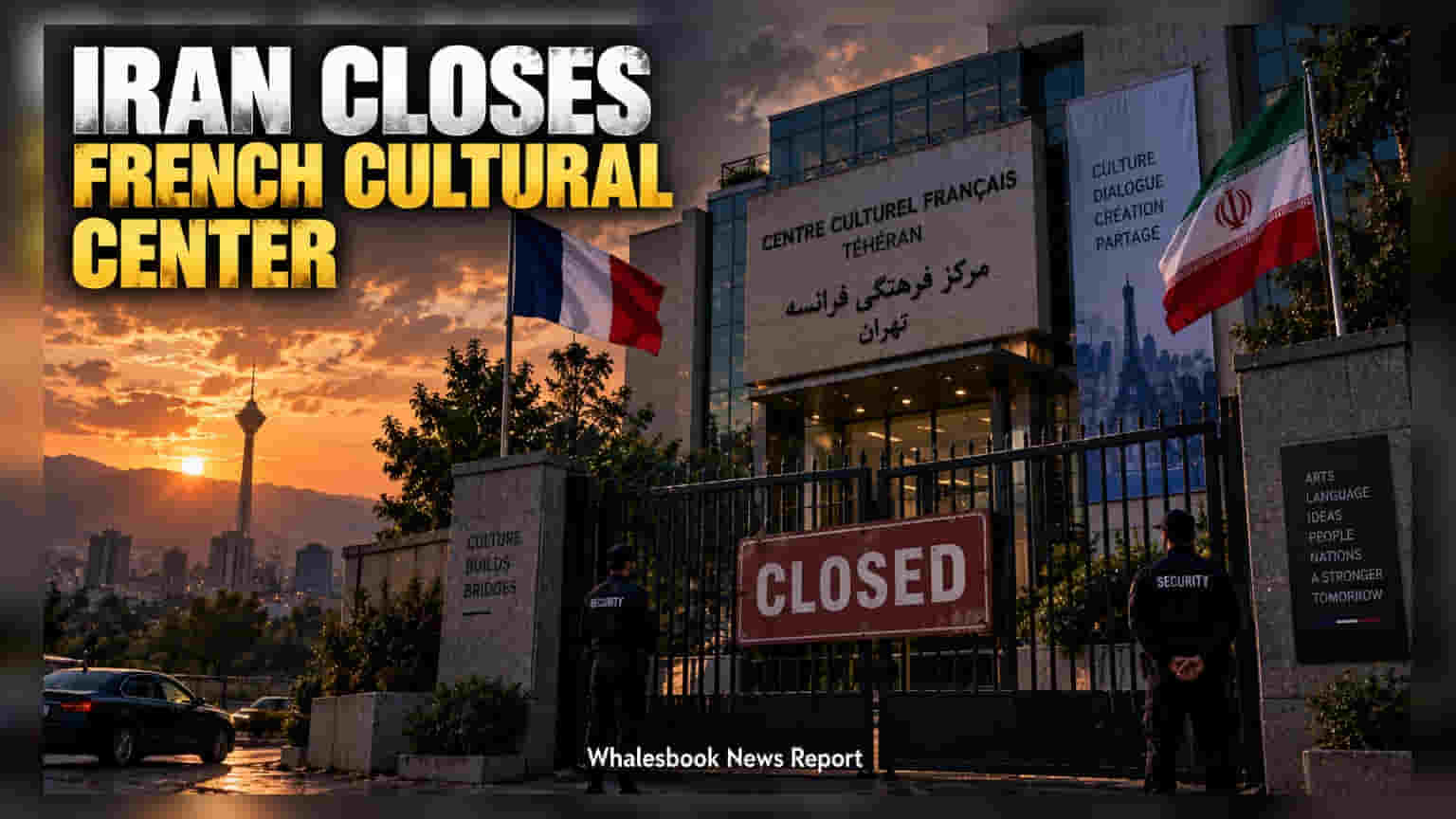
Iranian authorities have closed a French language center in Tehran, citing security and licensing concerns. The move marks an escalation in diplomatic friction between the two nations. For investors, increased geopolitical tension in the Middle East is monitored as it can influence global oil prices, which remains a key factor for energy-importing economies like India.
Iran has closed a French cultural center in Tehran, with authorities accusing the facility of operating without proper licenses and engaging in activities against national security. This development follows a period of public disagreements between high-level officials from both governments, further straining the already fragile diplomatic ties between Tehran and Paris.
The closure has led to a strong reaction from France. The French Ministry for Europe and Foreign Affairs has labeled the action an attack on its cultural presence and is now summoning the Iranian ambassador to seek a formal explanation. This incident follows a series of recent disputes, including arguments over human rights issues and historical grievances, as well as the detention of foreign nationals, which have collectively limited the scope for diplomatic de-escalation.
For global observers and market participants, the hardening of positions between Iran and Western powers is a matter of attention. Geopolitical instability in the Middle East is historically linked to fluctuations in global crude oil prices. As India relies heavily on crude oil imports, sustained diplomatic friction in the region often becomes a monitorable factor for economists and investors tracking energy costs, currency stability, and broader market sentiment.
The relationship between Iran and France has been under pressure for some time, with both sides experiencing the expulsion of diplomatic staff earlier in the year. The current situation suggests that communication channels remain constrained. Investors often keep an eye on such developments to gauge the likelihood of further sanctions or regional disruptions that could affect global supply chains and economic policy. The next significant update will likely be the outcome of the diplomatic consultations between the two countries.