

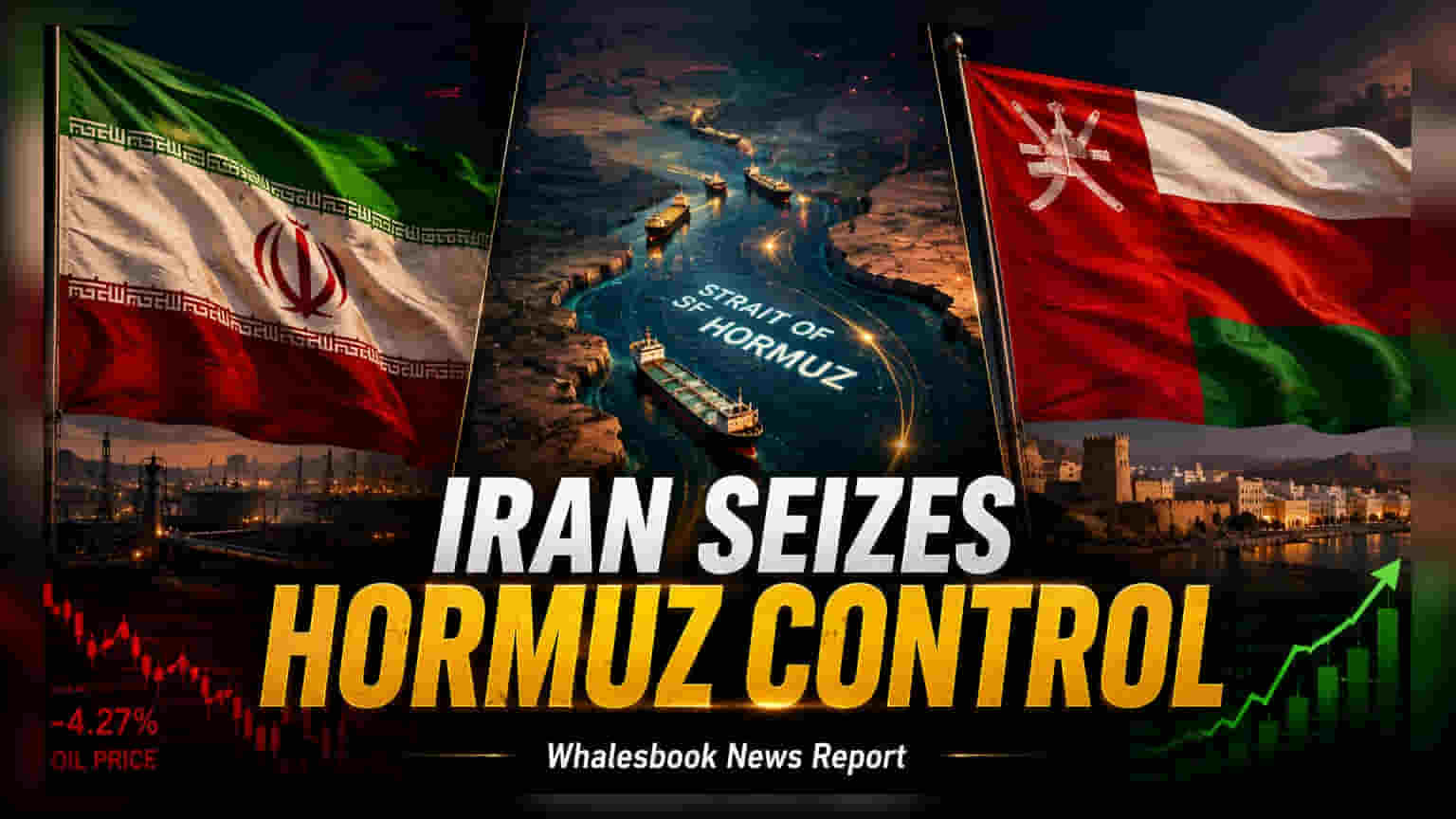
Iran and Oman have agreed on geographic coordinates for a new shipping route through the Strait of Hormuz, a critical energy chokepoint restricted since February 2026. While the deal marks a step toward potential reopening, significant disputes over vessel oversight and inspection rights remain. For investors, this development is a key monitorable for global energy pricing and shipping stability.
As of August 5, 2026, Iran and Oman have reached a preliminary understanding regarding the geographic coordinates for a shipping route through the Strait of Hormuz. This development comes as the waterway, a vital artery for global energy, has remained effectively closed or heavily restricted since the onset of the U.S.-Iran conflict on February 28, 2026.
While the agreement on route coordinates is a significant step, the deal is still in its final review stages. The most contentious point remains the extent of Iranian control over the waterway. Specifically, the proposed framework includes a provision for Iranian oversight of inbound commercial vessels. This has become a focal point of concern among regional negotiators, who are pushing for clear inspection protocols and regional supervision rather than unilateral Iranian authority.
Impact on Global Energy Markets
The Strait of Hormuz is one of the world's most significant shipping chokepoints. Under normal operating conditions, it handles approximately 20% of the world’s liquefied natural gas (LNG) and 25% of global crude oil supplies. The extended disruption of this route since early 2026 has been a major factor in global energy price volatility and supply chain instability. For global markets, any progress toward reopening the strait could theoretically ease logistics pressures, though market participants remain cautious about the fragility of this deal.
Key Risks and Monitorables
Despite the progress, the geopolitical and economic risks remain high. The agreement faces potential hurdles, including the definition of 'control' and the structure of transit fees. There is ongoing debate over whether such fees should be voluntary or mandatory, which could affect the operational viability for shipping companies.
Investors should be aware of several monitorables. First, the risk of third-party interference, particularly involving the United States, remains a primary threat to the implementation of this agreement. Second, the absence of a finalized mechanism for inspections and security means the waterway could face continued closures if negotiations stall. Finally, commodity price movements in the energy sector will likely react to any credible signs of stability or failure in these talks. The situation remains fluid, and the primary focus for market participants is whether the parties can move from preliminary coordinates to a fully functional and secure shipping regime.