

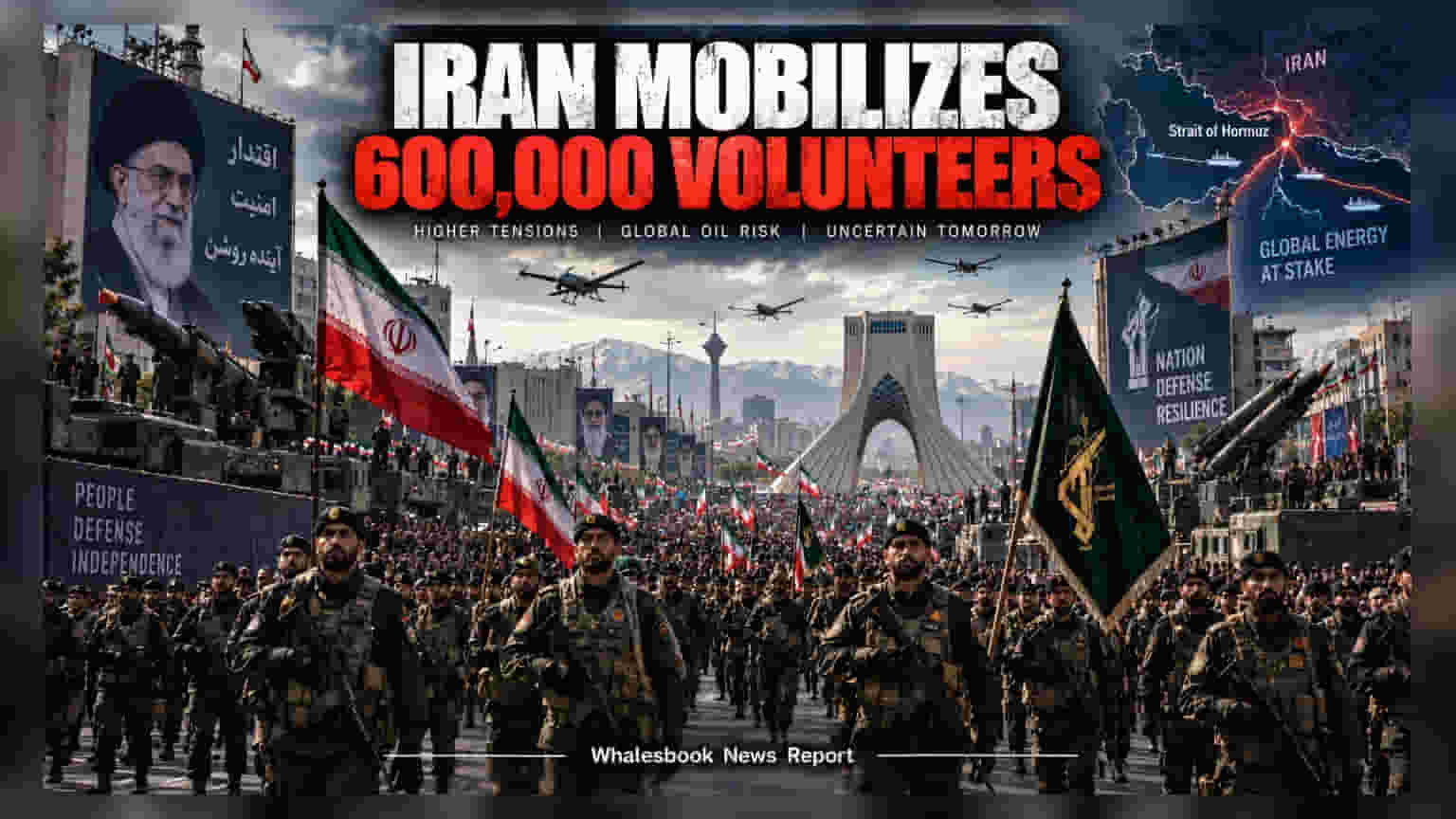
Thousands of Iranians have joined a state-organized military program amid a US naval blockade, signalling a hardened stance from Tehran. This development highlights rising geopolitical tensions, which could disrupt energy supply chains in the Persian Gulf. Investors should monitor the Strait of Hormuz, as any escalation in this critical region may impact global crude oil prices and maritime logistics.
On Friday, Iran initiated a large-scale military mobilization, with state officials stating that over 600,000 citizens have registered for combat training to support the Islamic Revolutionary Guard Corps and the Basij paramilitary force. This show of force in Tehran follows months of intense international pressure and severe economic distress stemming from an ongoing US naval blockade. The government’s move to expand its volunteer defense network marks a shift toward a more aggressive defense posture.
Impact on Energy Supply Chains
The mobilization is particularly significant for global markets due to its potential impact on the Persian Gulf. The Strait of Hormuz, a critical maritime chokepoint, serves as a primary route for global oil shipments. Persistent blockades and increased military posturing in this area raise the risk of maritime disruptions. For global investors, this geopolitical uncertainty creates pressure on energy supply chains, which can lead to volatility in crude oil prices and higher shipping insurance costs.
Economic and Political Context
The Iranian government is navigating a difficult economic environment, with sanctions significantly restricting trade routes and stalling economic growth. The decision to prioritize this military mobilization over diplomatic de-escalation reflects a focus on national security amid domestic economic challenges and internal unrest. While the government portrays the move as a deterrent to foreign adversaries, it also highlights the internal hardening of the current administration’s policies.
Investor Monitorables
The economic fallout from the blockade continues to affect the region, and the government’s commitment to a defense-first policy suggests that these tensions may not resolve in the near term. Investors tracking commodity markets should monitor the situation for three primary signals: volatility in crude oil prices, any changes to commercial tanker traffic in the Persian Gulf, and further statements regarding the naval blockade or any shifts in diplomatic engagement. The primary risk for the global market remains the possibility of a prolonged disruption in critical energy transit corridors, which could influence operational costs for companies dependent on maritime logistics.