
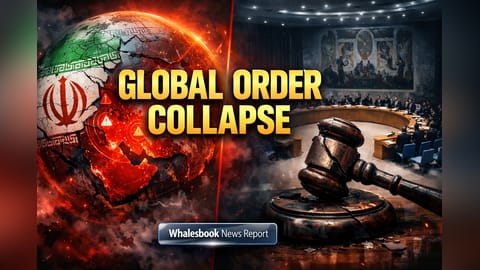
Oil Prices Jump, Defense Stocks Rally After Iran Leader's Death
The assassination of Iran's Supreme Leader, Ali Khamenei, on February 28, 2026, immediately sent shockwaves through global financial markets, increasing fears of geopolitical risk. Brent crude oil prices jumped about 9% within days, nearing levels not seen consistently since late 2024. Warnings and actual disruptions to traffic through the Strait of Hormuz, a vital route for around 20% of global oil supply, pushed energy prices higher. Defense stocks also saw a significant rally, with companies like RTX and Northrop Grumman gaining value. This reflects investor expectations of increased military spending and a prolonged focus on security.
Transactional Diplomacy and Global Governance Gaps
These geopolitical events highlight a shift towards transactional diplomacy, where strategic partnerships are often viewed based on immediate gains rather than underlying principles. Major global players' responses illustrate this. Western powers offer security guarantees, while China and Russia have shown a pattern of making promises that fade when partners face crises. India's moves, strengthening defense ties with Israel and aligning with the West, show traditional regional links breaking down and difficulty in maintaining 'strategic autonomy.' This fragmentation is worsened by the ongoing paralysis in the United Nations Security Council. The Council's inability to form a united response to conflicts, often due to veto power, signals a deep weakness in global governance and undermines international law and norms.
Supply Chain Risks and Weakening Guarantees
The current geopolitical situation creates major challenges for businesses that depend on stable global trade. Disruptions to vital shipping routes like the Strait of Hormuz not only cause immediate energy price spikes but also affect supply chains, raising transportation and production costs. This can put short-term pressure on company profits and stock prices, a pattern seen historically during periods of high Middle East tension. The transactional approach of major powers means trade partnerships no longer automatically come with security guarantees, leaving nations and businesses vulnerable when perceived benefits lessen. The UN Security Council's failure to provide a stable framework for conflict resolution means geopolitical risks are less likely to be contained. This could lead to broader, longer-lasting market instability and higher ongoing geopolitical risk for investors. While defense stocks may benefit from increased spending, companies face ongoing pressure on profit margins due to rising technological complexity and government negotiation tactics.
Defense Budgets and Trade Realignment Ahead
Looking ahead, the trend of increased defense spending is set to continue. NATO countries, for example, plan to significantly boost defense budgets, aiming to raise spending from 2% to 5% of GDP by 2035. This steady growth in military spending offers a consistent demand stream for defense contractors, making them less vulnerable to economic downturns. However, the broader economic outlook will likely remain sensitive to ongoing market swings due to transactional geopolitics and potential trade policy changes, such as rising tariffs. Businesses are increasingly focusing on supply chain resilience and diversification rather than just cost efficiency. This strategic shift is expected to shape global trade strategies for years to come.