

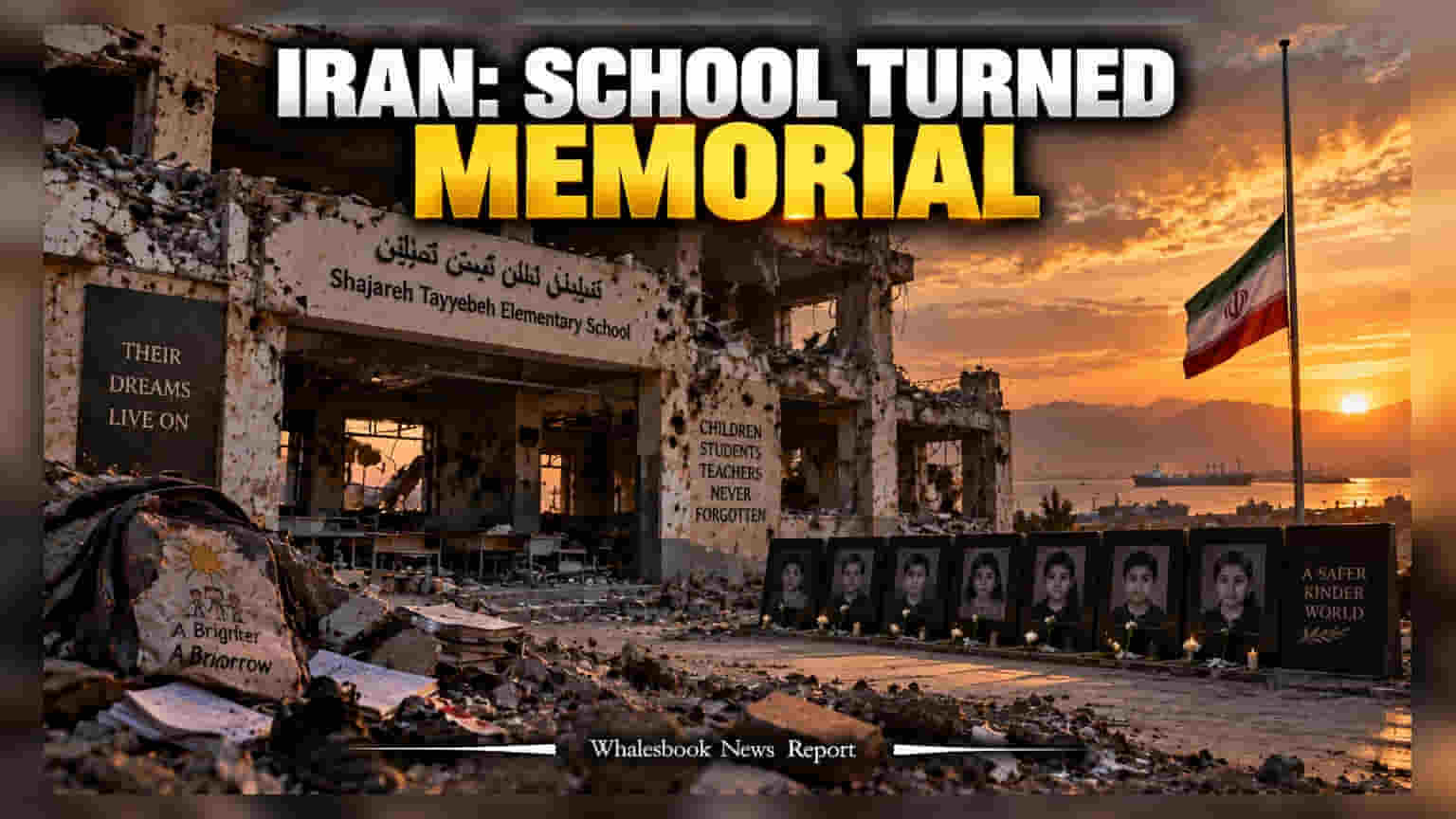
Authorities in Iran’s Minab have turned the Shajareh Tayyebeh school into a memorial museum following a February 2026 missile strike that killed over 100 people. The site remains a focal point for regional tensions as international investigations link the attack to U.S. weaponry, amid ongoing geopolitical uncertainty in the Gulf region.
Authorities in Minab, Iran, have repurposed the Shajareh Tayyebeh elementary school into a permanent memorial and war museum. This decision follows a devastating strike on February 28, 2026, which destroyed the facility and resulted in the deaths of over 100 people, including a significant number of schoolchildren. The site, which features preserved ruins and memorials to the victims, serves as a physical record of the incident.
Months after the attack, the incident remains a source of diplomatic and regional friction. While independent investigations, including reports by international media, have linked the strike to U.S.-made weaponry, the U.S. administration has not formally acknowledged responsibility or released final internal findings regarding the operation. The absence of a formal accounting for the event has intensified local public outcry and contributed to a climate of uncertainty in Iran’s southern coastal provinces.
For investors and global market observers, the situation highlights the persistent geopolitical risks in the Middle East. The area near Minab is strategically located close to the Strait of Hormuz, a critical chokepoint for global energy shipments and maritime trade. Continued military activity in this region often raises concerns regarding supply chain stability, energy price volatility, and freight costs.
Heightened regional tensions, as evidenced by recurring military incidents in the vicinity of Minab, can influence market sentiment regarding the broader Persian Gulf. The lack of clarity or diplomatic resolution regarding such strikes can create an unpredictable environment for trade and energy security. As international human rights groups and families of the victims continue to call for transparency, the long-term impact of these hostilities on regional security remains a primary monitorable for those tracking global macro risks.