

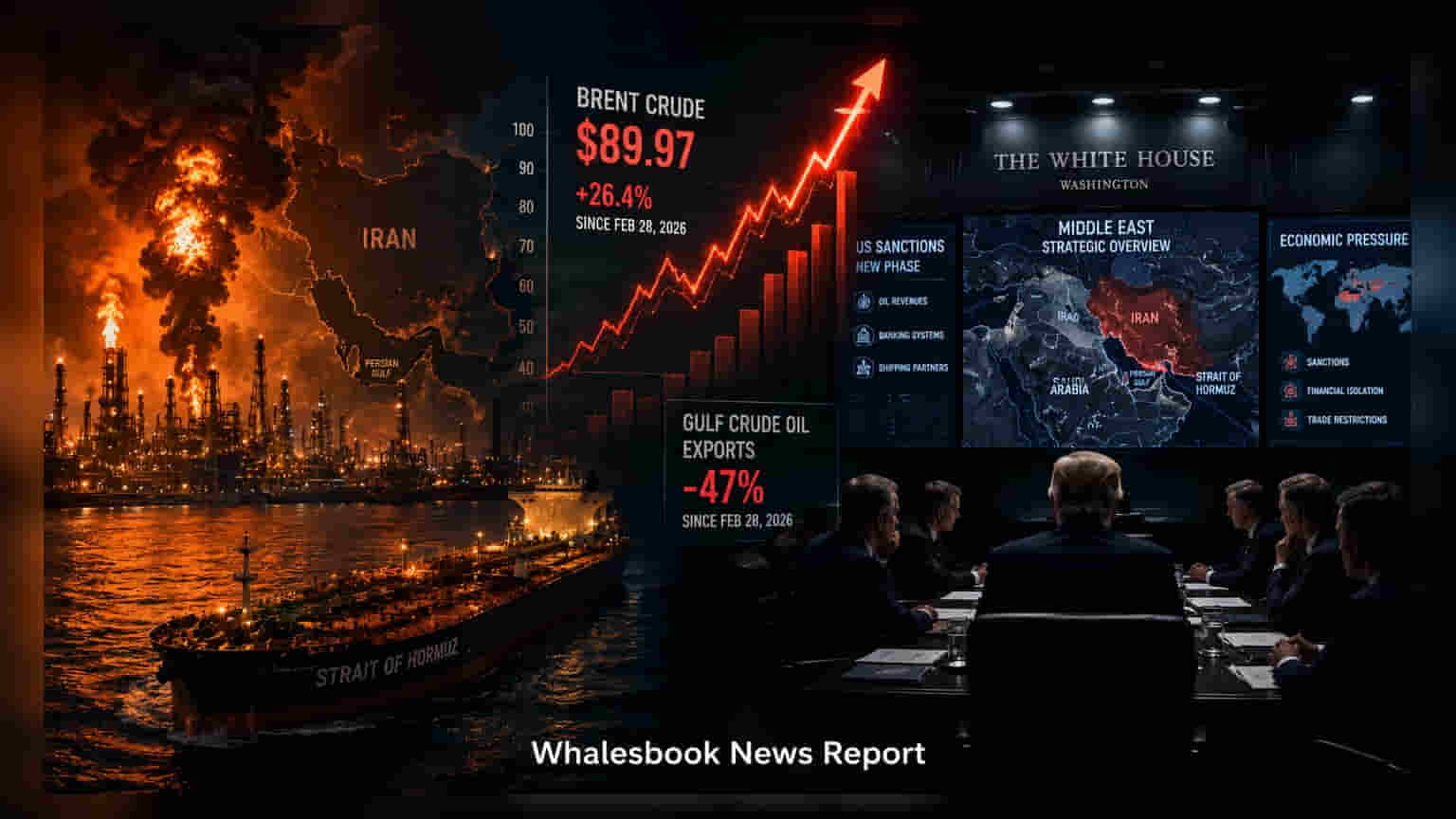
The six-month-old conflict between the US and Iran has reached a stalemate, pushing Brent crude prices to approximately $90 per barrel. With Gulf oil exports down by nearly half, Indian investors face concerns over rising energy costs and potential imported inflation. The US administration’s recent pivot toward economic sanctions suggests the geopolitical uncertainty may continue to impact global supply chains and trade logistics.
The military campaign involving the US, Israel, and Iran, which began on February 28, 2026, has entered a period of strategic stalemate. Six months into the hostilities, the situation has shifted from active kinetic operations to a sustained campaign of economic pressure. On August 24, 2026, the US administration announced a new phase of this strategy, focusing on further sanctions against Iran’s oil revenues, banking systems, and international trading partners.
For global markets, the most immediate consequence is the impact on energy logistics. The Strait of Hormuz, a critical maritime chokepoint, remains severely disrupted. Data indicates that crude oil exports from the Gulf region have declined by approximately 47% since the conflict began. This supply constraint has kept Brent crude oil prices hovering near $90 per barrel, a significant increase from the average levels seen in 2025. This environment has drawn comparisons to the energy supply challenges of the 1970s, as global energy markets grapple with the uncertainty of sustained disruptions.
Impact on Indian Markets and Inflation
For Indian investors, the ongoing conflict is a critical monitorable due to India's high dependence on imported crude oil. When oil prices remain elevated, it puts pressure on the country's current account deficit and the value of the Indian Rupee. This, in turn, can lead to 'imported inflation,' where the cost of goods and services rises due to higher fuel and logistics expenses. Investors should observe how this persistent energy price pressure affects the profit margins of sectors heavily reliant on fuel, such as transport, aviation, and manufacturing.
While global equity markets have shown resilience—often supported by growth in the artificial intelligence and technology sectors—the energy sector remains a source of volatility. The shift in US strategy toward economic isolation rather than direct military confrontation indicates that the conflict may not have a quick resolution. This extended timeline ensures that geopolitical risk premiums will likely remain embedded in energy pricing.
Monitoring the Next Steps
The central issue for the coming months will be the effectiveness of the new economic measures and the security status of shipping lanes. If the blockade efforts fail to stabilize or if Iranian asymmetrical warfare continues to target logistics in the Strait of Hormuz, upward pressure on oil prices could persist. Furthermore, investors should track management commentary from companies regarding input costs and any potential impact on demand if global inflation remains sticky. The Reserve Bank of India’s stance on interest rates in response to these global inflationary pressures will also be a key factor for market participants to watch in the coming quarters.