 Whalesbook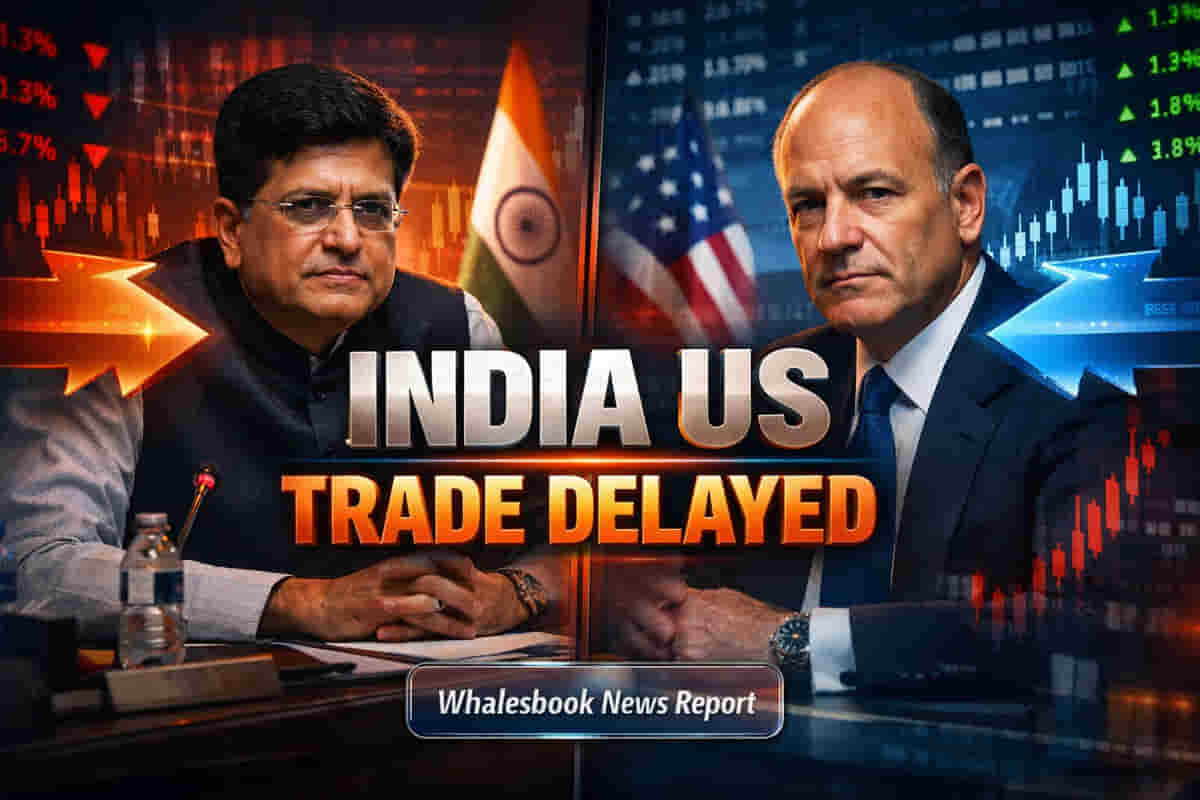


### The Shifting Negotiation Leverage
Commerce Minister Piyush Goyal's recent meetings with US Commerce Secretary Howard Lutnick and Ambassador Sergio Gor signal ongoing efforts to expand the trade relationship between India and the United States. The discussions occur against a backdrop significantly altered by the US Supreme Court’s invalidation of prior emergency tariffs. This judicial intervention has not derailed the interim trade framework – which includes a planned reduction of US tariffs on Indian exports from 50% to 18%, and India's commitment to purchasing $500 billion in American goods over five years – but it has fundamentally reshaped the negotiating environment. India is now reportedly leveraging this new legal clarity to push for stronger safeguards against future unilateral trade actions and judicial challenges, a strategic recalibration designed to secure greater long-term stability beyond the immediate framework. This development introduces a layer of complexity to finalizing what was initially anticipated as a more straightforward interim agreement, impacting sentiment for sectors reliant on predictable trade flows.
### Competitive Benchmarking & Historical Context
The strategic positioning India adopts in this negotiation is informed by global trade dynamics and past bilateral friction. While the US pursues various trade pacts, India's emphasis on explicit safeguards reflects a broader trend among nations seeking protection against abrupt policy shifts and protectionism. Historically, India has consistently prioritized securing its domestic industries and has often pressed for robust dispute resolution mechanisms in trade agreements. The US Supreme Court's intervention in trade law, while creating negotiation space, also highlights the inherent volatility that can arise from differing legal interpretations and executive powers in trade policy. Past trade disputes between India and the US, though often resolved through dialogue, have demonstrated the potential for disruptions that can impact investment and bilateral commerce, making the current push for protective clauses a pragmatic response to established precedents.
### Macroeconomic Correlation & Sectoral Impact
Globally, escalating trade tensions and a rise in protectionist policies tend to dampen economic growth prospects and create headwinds for international commerce. The current India-US negotiation, influenced by judicial rulings on tariffs, adds another variable to this complex global trade environment. Key sectors central to the proposed $500 billion US goods purchase, including technology, pharmaceuticals, agriculture, and automotive, are particularly sensitive to such uncertainties. A prolonged period of negotiation or increased unpredictability in trade policy could impact foreign direct investment decisions within these sectors and disrupt established supply chains, potentially slowing the anticipated trade expansion.
### THE FORENSIC BEAR CASE
The primary risk for India lies in the potential for this enhanced negotiating leverage to inadvertently prolong discussions or lead to an impasse if US demands escalate or retaliatory political measures emerge. India’s substantial reliance on the US market for its exports leaves it more vulnerable to policy shifts compared to economies with greater diversification or stronger domestic demand buffers. While the Finance Minister has described commentary on the ruling's full impact as premature, this cautious tone signals awareness of potential pitfalls. The historical precedent of US trade negotiations, often subject to political expediency, means that the long-term intentions of the US administration, particularly concerning continued tariff imposition as signaled by former President Trump, present a persistent political risk. Structural weaknesses exist if the proposed deal becomes overly concentrated on US purchasing power without sufficient reciprocal market access or safeguarding against future protectionist actions.
### The Future Outlook
Analysts anticipate that India will continue to advocate for strong dispute resolution mechanisms and robust protections against future unilateral tariff actions. While the foundation for an interim agreement is in place, the current environment suggests that the finalization of both the interim pact and any subsequent broader bilateral trade agreement may be protracted. The need for clear, stable, and mutually beneficial terms remains paramount for fostering sustained trade growth and investment between the two nations, with market observers closely monitoring the ability of both governments to navigate these evolving legal and political currents.